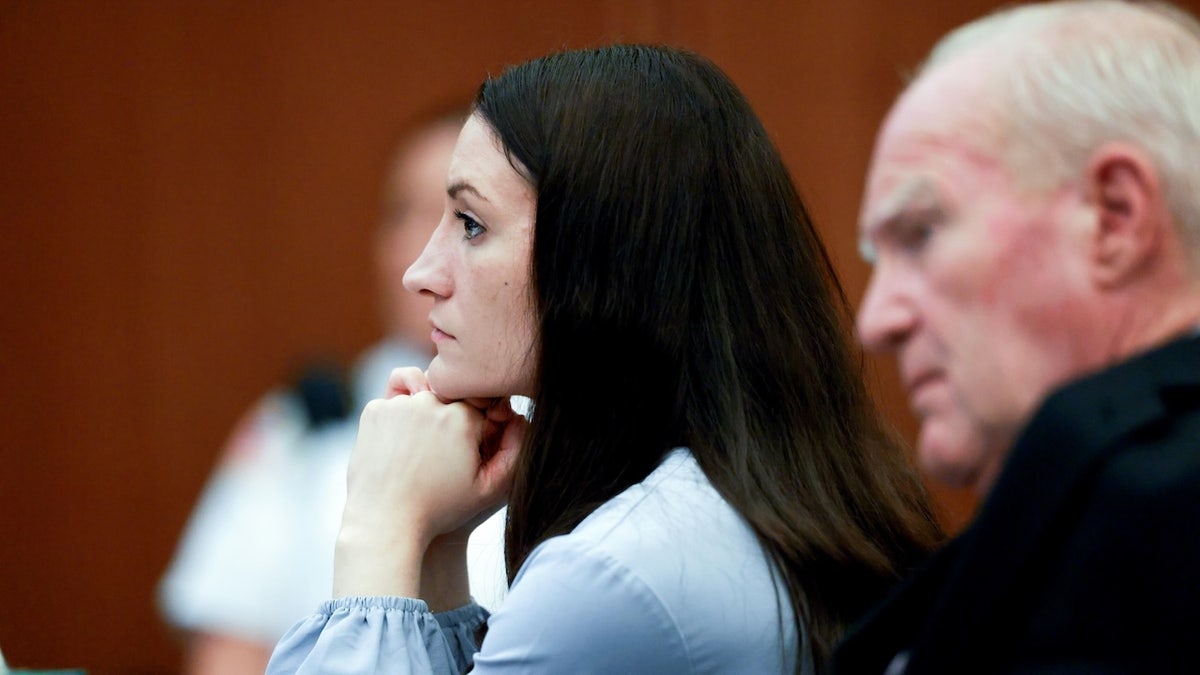
A South Carolina lawmaker who prosecuted Susan Smith suggests a surprising dynamic in Lindsay Clancy’s trial with a jury composed primarily of women. Clancy, facing three counts of first-degree murder in the death of her children, may find less sympathy than some anticipate.
Clancy’s defense asserts she suffered from postpartum psychosis during the tragic incident involving her young children, Cora, Dawson, and Callan, in January 2023. Her trial is nearing its conclusion, with closing arguments expected soon and the jury set to decide the case.
Among the jurors, 12 women and 6 men are involved, though only 12 will deliberate. Representative Tommy Pope from South Carolina highlights an intriguing aspect: women jurors might be less empathetic, having perhaps overcome their own postpartum struggles and valuing their children immensely.
For the most part, the women were the ones that said, you know, when I had my kids, I went through hell, or I went through depression, or I battled this, or I was overwhelmed. But they’re the most important thing in my life.
On the other hand, Clancy’s current physical condition could sway sympathy unexpectedly. Now paralyzed, some jurors, particularly men, may perceive her already profoundly punished, adding a layer of complexity to the case.
Prosecutors dispute the postpartum psychosis defense, arguing Clancy’s self-reported auditory hallucinations were unusual. Forensic psychiatrist Gregory Saathoff notes Clancy first talked about hearing voices after the crimes, and these hallucinations ceased after the murder of her youngest son.
Psychologist Kirk Heilbrun adds complexity, suggesting individuals experiencing command hallucinations might still regulate their actions according to the law. Clancy’s defense posits she suffered a “command hallucination,” feeling externally manipulated into committing the acts.
Outside the courtroom, Clancy’s trial highlights gaps in mental health support. A supporter points out the necessity of better mental health education and resources, citing personal experience with the lack of postpartum guidance after childbirth.
The unfolding trial reveals pressing issues regarding mental health support, motivating discussions about improvements in maternal mental health resources. Affected individuals express their hope for systemic change and improved assistance for women navigating postpartum challenges.
Leave a Reply