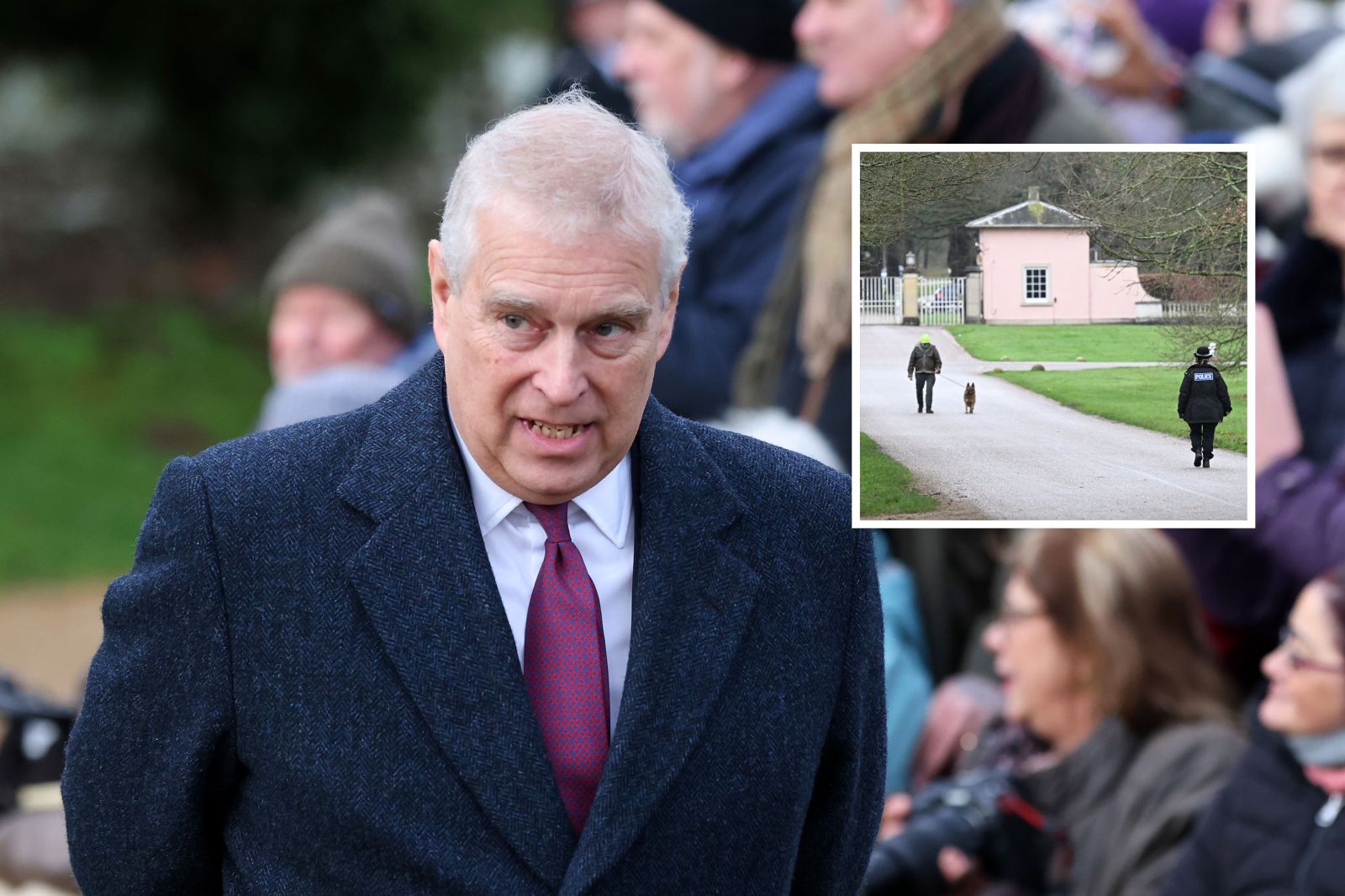
Andrew Mountbatten-Windsor, previously known as Prince Andrew, faced scrutiny for subletting three cottages within his Windsor estate. He paid a nominal ‘peppercorn rent’ while generating rental income. In contrast, Prince William and Princess Kate pay £307,200 annually for their Windsor residence, Forrest Lodge, despite their prominent royal status.
Lease Terms and Subletting
Mountbatten-Windsor’s lease permitted subletting, allowing him to rent out three cottages on the estate. These sublets were not against the rules, though concerns arose over financial fairness and transparency.
His lease arrangement involved a £1 million upfront payment and a commitment to spend £7.5 million on renovations in lieu of rent. The refurbishment was completed within two years, as per official reports.
Royal Residential Scrutiny
Mountbatten-Windsor’s residential arrangements attracted criticism amid the controversy surrounding his ties to Jeffrey Epstein. Following the scandal, King Charles III removed his royal titles. The issue escalated when documentation revealed the ‘peppercorn rent’ agreement, prompting public outcry.
The Public Accounts Committee and National Audit Office (NAO) examined royal residence leases. The NAO reported that Mountbatten-Windsor sublet the cottages, but they have been vacant since April 2026. The inquiry highlights the complexities of royal financial arrangements and living standards.
Prince William and Princess Kate’s Arrangements
William and Kate’s residential expenditure contrasts with Mountbatten-Windsor’s arrangement. They pay substantial annual rent, with the Crown Estate contributing £400,000 for repairs and maintenance.
Their official residence remains Kensington Palace, provided rent-free in exchange for fulfilling royal duties. Should they reside as long as Mountbatten-Windsor did at Royal Lodge, their total rent would reach nearly £6.8 million.
Andrew’s Financial Situation and Family Properties
Questions linger over how Mountbatten-Windsor funded his lease commitments, given his family’s historical financial issues. His daughters, Princess Beatrice and Princess Eugenie, benefit from properties owned by the Royal Household, paying reduced rent through the ‘Privy Purse.’
The ‘Privy Purse’ draws from profits of the Duchy of Lancaster. The arrangement underscores the continued financial dependency of non-working royal family members.
Compensation and Further Inquiries
Mountbatten-Windsor might qualify for compensation due to an early lease surrender clause, though official costs remain unassessed. The Crown Estate suggests no compensation is likely due to property conditions.
The report also addresses his prior associations with Epstein, which affected public perception and intensified scrutiny over his living arrangements.
British politicians have called for greater transparency regarding the financial arrangements of royal properties. Prime Minister Keir Starmer emphasized the need for accountability in Crown property dealings. Consequently, Charles relocated Mountbatten-Windsor to March Farm on the privately-owned Sandringham Estate.
Leave a Reply