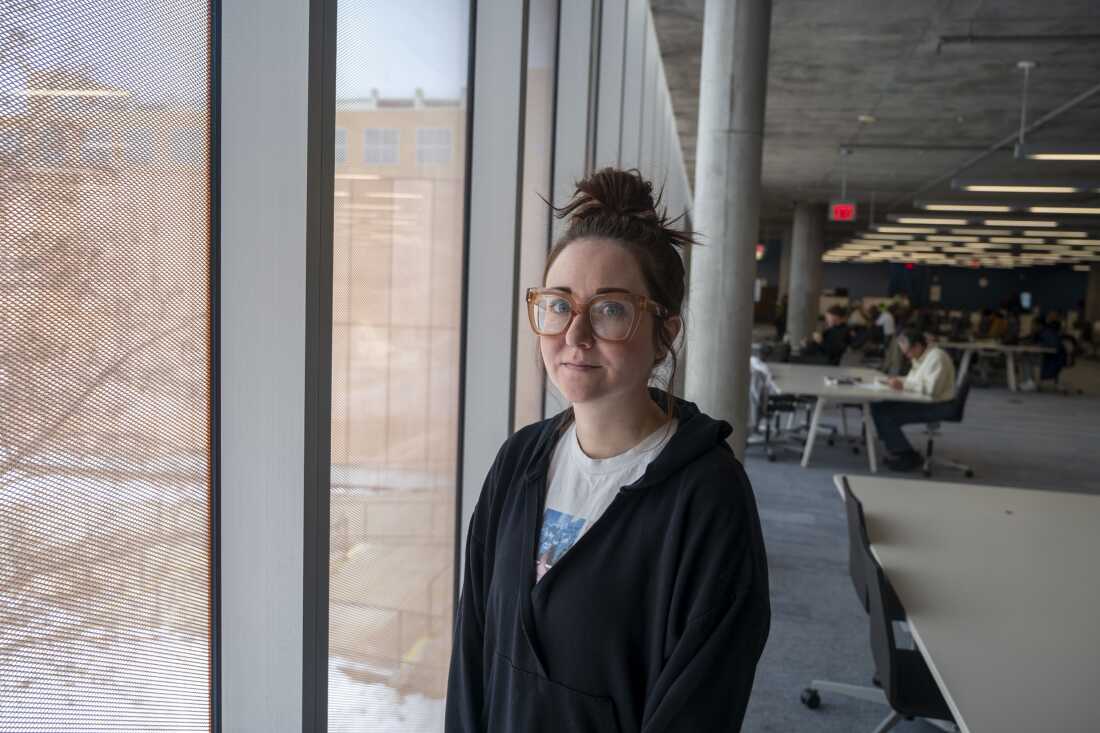
In December last year, Morgan Newman, a cervical cancer survivor, shared her journey at the Des Moines Public Library. In 2015, the cancer diagnosis came unexpectedly, altering her well-structured plans. At the time, she was employed as a dental assistant in Des Moines, Iowa, while studying to become a social worker. After an abnormal Pap smear result, a follow-up exam revealed heavy bleeding, leading to a referral to a gynecologic oncologist. It was then she learned she had cervical cancer.
Newman was 24 and had just moved into her first apartment. Her experience reflects a broader trend in Iowa, where cancer diagnoses and survivorship are increasing. According to the National Cancer Institute, the number of cancer survivors nationwide is expected to rise from over 18 million in 2025 to 22 million by 2035. Many survivors, however, continue to face mental health challenges long after treatment ends.
Newman’s treatment involved six weeks of radiation and chemotherapy. Although initial scans showed no signs of cancer, suspicious lung nodules were found three months later, requiring further chemotherapy. The psychological and physical toll was significant, especially as friends achieved major life milestones. Therapy became unaffordable and time-consuming amid mounting medical bills and a busy schedule.
When her treatment concluded and scans remained clear, Newman found a new job with better benefits in 2017, allowing her to resume therapy. Despite being cancer-free nearly a decade later, she still battles anxiety over potential recurrence and the emotional impact of infertility due to treatment. She now works as the Iowa grassroots manager for the American Cancer Society’s lobbying arm, participating in various cancer organization boards.
Studies show cancer survivors often experience prolonged anxiety and depression. A national survey by Cancer Nation revealed about a third of post-treatment patients felt anxious about recurrence and struggled with identity changes. However, only 20% sought professional mental health care. Shelley Fuld Nasso, CEO of Cancer Nation, points to a lack of therapists knowledgeable in cancer-related issues, particularly in Iowa.
Iowa’s Cancer Registry reports high cancer incidence rates, particularly in some rural areas with few mental health resources. Dr. Richard Deming, from the MercyOne Richard Deming Cancer Center in Des Moines, addressed mental health needs with yoga and counseling services for patients and survivors.
Morgan Newman found help from Julie Larson, a Des Moines therapist specializing in cancer survivor care. Survivors often seek therapy months after treatment, realizing the ongoing nature of their challenges. Larson emphasizes the silent, invisible struggles survivors face. With years of experience and understanding of cancer treatments, Larson offers support beyond the physical challenges.
Oncologist Patricia Ganz from UCLA highlights the oncology field’s neglect of mental health. While there’s growing awareness of psychological care importance, access remains limited without enough mental health professionals. Ganz calls for improved mental health screening and referral practices.
The Richard Deming Cancer Center at MercyOne Hospital has taken steps to support mental health by offering counseling, music therapy, and mindfulness activities. Dr. Deming underscores the need for a holistic approach, addressing more than just physical cancer symptoms. He advocates for a shift in treatment approaches to include consistent mental health evaluations throughout the cancer journey.
This article is part of NPR’s collaboration with Iowa Public Radio and KFF Health News.
Leave a Reply