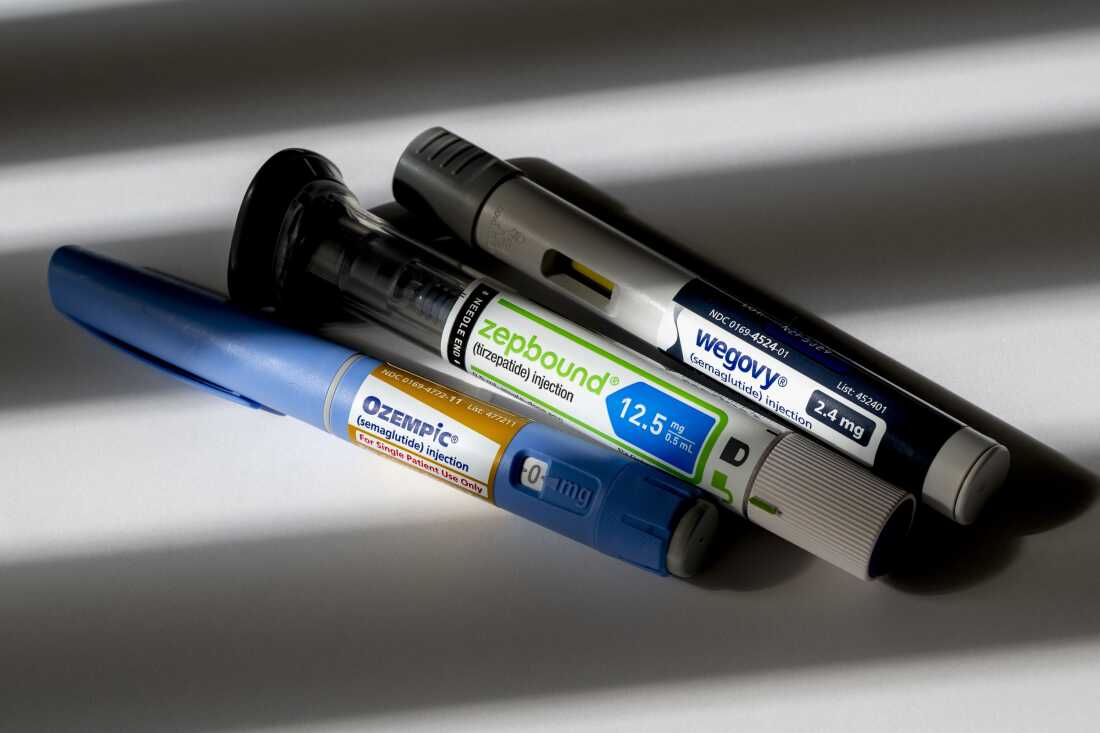
GLP-1 medications, known for their brand names, are primarily used to treat diabetes, obesity, and sleep apnea. Ongoing research is investigating their effects on cancer. Current studies suggest potential cancer risk reduction, though findings are preliminary.
Recent Findings
Recent studies highlight the potential of GLP-1 medications in reducing cancer risks. These drugs appear to reverse obesity-related carcinogenic risks and may possess anti-inflammatory properties that help in tumor suppression. Such effects were a focal point at the recent American Society of Clinical Oncology meeting.
The society presented four studies, including research published in its Journal of Clinical Oncology. Notably, one study involving over 10,000 patients observed significant risk reductions in six out of seven cancer types with GLP-1 drugs, including breast, liver, colorectal, and non-small cell lung cancers.
Even for cancers without direct obesity linkage, such as non-small cell lung cancer, progression to Stage IV decreased from 22.3% to 10% in patients using GLP-1 medications. These drugs, initially developed for diabetes, affect brain and gut hormones to reduce hunger and slow digestion, making them useful against obesity and heart disease.
Limitations and Expert Opinions
Experts warn that current data only show correlations, not conclusive treatments. The studies relied on retrospective databases lacking details like patients’ lifestyle factors. Dr. Julie Gralow of ASCO notes these findings align with the understanding of obesity as a cancer driver and the role of healthy living in illness and recovery.
“It ties into a body of knowledge about exercise and healthy lifestyles after a cancer diagnosis,” Dr. Gralow observes.
Breast Cancer Risk Reduction
An analysis at the conference indicated women aged 45 to 80 using GLP-1 drugs faced a 30% lower risk of developing breast cancer. While weight loss generally reduces cancer risks, the protective effects seen with GLP-1 medications appear stronger. Radiologist Elizabeth McDonald suggests that these drugs, regulating hunger and digestion, may activate other metabolic pathways that decrease inflammation, a cancer driver.
Ongoing and Future Research
Additional trials are exploring how GLP-1s affect chronic inflammation and immunosuppression, factors potentially aiding cancer growth. Oncologist Coral Omene from Rutgers Cancer Institute plans to study 40 breast cancer patients on the GLP-1 drug tirezepatide. She will track changes in cancer markers and examine biopsies every six months for insights into hormonal and inflammatory responses.
Omene aims to identify how GLP-1 drugs could best be utilized against cancer. “We are going to trace and see how the immune cells are behaving,” she explains, hoping her research will advance understanding and treatment applications.
Leave a Reply