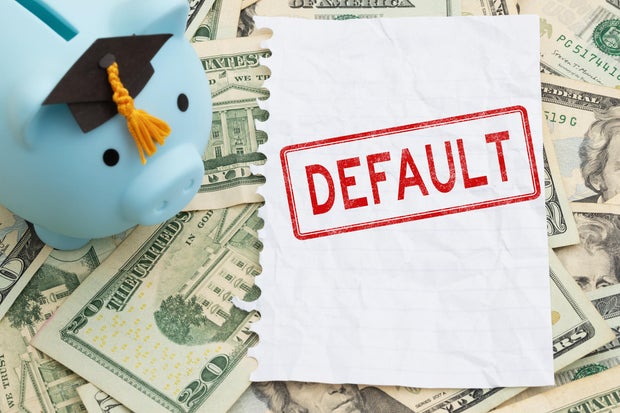
Over recent years, federal student loan policies and repayment programs have undergone many changes, making borrowers more vigilant about their educational debts. While student loans often seem like a concern for the younger workforce, they increasingly impact older Americans. Many individuals aged 50 and above carry federal student loan balances, facing the challenge of managing this debt in or approaching retirement.
Impact of Inflation on Retirement Income
The importance of monthly Social Security benefits has grown for retirees living on fixed incomes. Rising inflation has increased living costs, making these benefits a crucial part of retirement income. Any threat to these payments is concerning, particularly for retirees struggling with debt and rising expenses.
Can Student Loan Defaults Affect Social Security?
A common concern among older borrowers is whether defaulted student loans can affect Social Security benefits. The rules regarding federal student loan collections and Social Security are complex. It is vital to understand how much of your Social Security check could be at risk due to a default.
Social Security and Federal Student Loan Defaults
While Social Security income is typically protected from most creditors, federal student loan debt is treated differently. The government can use the Treasury Offset Program to collect defaulted student loans by withholding up to 15% of a borrower’s monthly Social Security benefits. The specific amount depends on your benefit size and personal circumstances.
For instance, a retiree with a larger monthly benefit may see a greater amount withheld than someone with a smaller benefit. It’s also important to note that federal loans give the government collection powers that private lenders lack. Private student loan lenders cannot offset federal benefits like Social Security but can take other legal actions if payments fall behind.
Strategies to Prevent Student Loan Defaults
If you’re falling behind on federal student loans or have already defaulted, options exist to regain good standing. Consider income-driven repayment plans, which tie monthly payments to income and family size, making them more affordable for those relying on fixed income sources like Social Security.
Loan rehabilitation might be an option for defaulted loans, requiring a series of payments to remove the default status. Loan consolidation can help move a defaulted federal loan into a new loan, opening access to repayment programs that prevent future collections.
If financial struggles extend beyond student loans, broader debt relief strategies may provide assistance. Debt consolidation, management, or settlement might offer relief, helping manage competing debts like credit cards, personal loans, or medical bills.
Conclusion
A default on federal student loans can impact Social Security benefits, highlighting the importance of addressing these loans proactively. Federal authorities have the power to offset a portion of Social Security payments for loan collection, yet solutions exist. Exploring income-driven repayment plans, rehabilitation, consolidation, and debt relief strategies early can help protect your retirement income and financial stability.
Leave a Reply