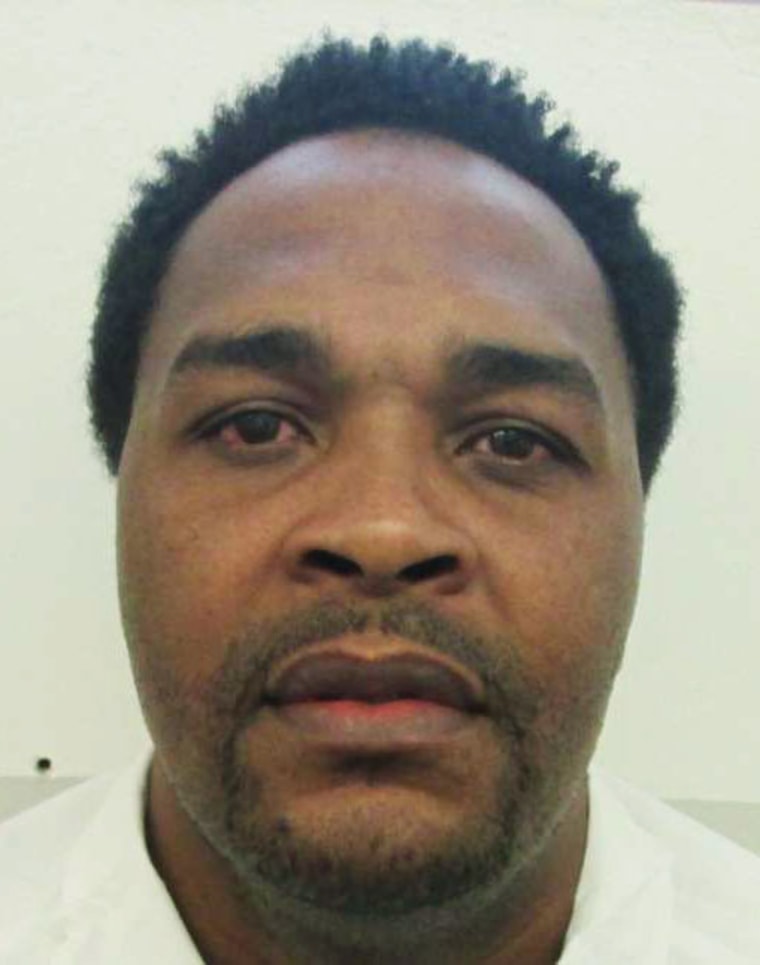
The Supreme Court recently denied Alabama’s bid to execute Jeffery Lee using nitrogen gas. This decision followed two lower court rulings that found the method violated the constitutional ban on cruel and unusual punishment.
The state’s emergency request came just hours before Lee’s scheduled execution. However, Justices Clarence Thomas, Samuel Alito, and Neil Gorsuch disagreed and supported overturning the lower courts’ decisions.
Lee, convicted of a double murder during a 1998 pawnshop robbery, will not be executed by nitrogen but other methods remain possible. The timeline for seeking other methods is uncertain.
The legality of using nitrogen gas in executions was central to Lee’s legal challenge. Earlier this week, a federal judge initially ruled it constitutional, but the 11th U.S. Circuit Court of Appeals disagreed. It deemed nitrogen executions likely to contravene the Eighth Amendment and called for the district court to assess the feasibility of a firing squad.
While lower courts sided with Lee, Alabama sought a Supreme Court emergency order. Historically, the court has supported various execution methods such as lethal injection, electrocution, and firing squad. Nitrogen has sparked controversy since Alabama’s adoption in 2024.
Nitrogen hypoxia forces inmates to inhale the gas via a mask, cutting off oxygen. Alabama claims the process is effective and humane. Yet, opponents, including the American Thoracic Society, criticized it for inhumane suffering.
“Nitrogen hypoxia executions cause intense, inhumane suffering,” stated the American Thoracic Society.
Witness accounts describe the executed person struggling and gasping, often leading to prolonged deaths. Last October, media reports noted Anthony Boyd’s nitrogen execution took 30 minutes.
The Supreme Court’s non-intervention prompted a dissent from Justice Sonia Sotomayor. She criticized the method as failing its humane promise and likened Boyd’s request for a firing squad to a merciful alternative.
“Boyd asks for the barest form of mercy: to die by firing squad, which would kill him in seconds, rather than by a torturous suffocation lasting up to four minutes,” Sotomayor remarked.
Alabama has conducted seven nitrogen executions with Louisiana performing one. The state’s primary execution method, lethal injection, faces challenges due to drug sourcing issues.
Jeffery Lee, preferring death by firing squad, remains on death row. His 2000 conviction involved killing Jimmy Ellis and Elaine Thompson and injuring Helen King during a robbery.
Lee expressed remorse and described personal redemption through faith, believing divine intervention is ongoing.
“God — he’s not finished,” Lee conveyed in a recent interview.
State Attorney General Steve Marshall remains committed to carrying out Lee’s sentence, emphasizing justice for the victims.
Lee’s legal representatives urge Gov. Kay Ivey to commute his sentence. They cite the 2000 judicial override where the judge imposed a death sentence against a jury’s life without parole decision. Alabama outlawed this practice in 2017, yet past cases like Lee’s remain unaffected.
Governor Ivey has indicated readiness to proceed with Lee’s execution.
Leave a Reply