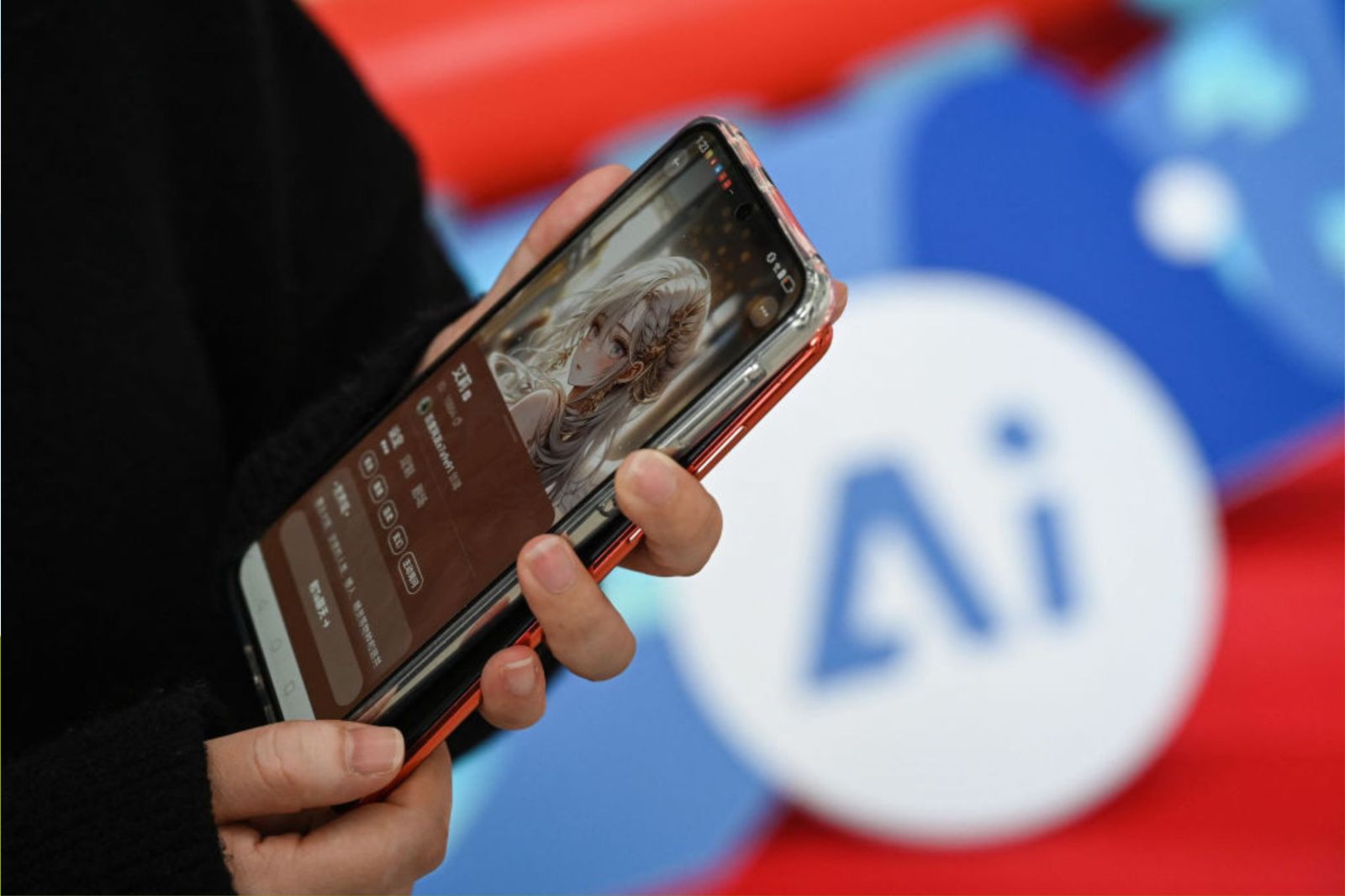
The Role of AI Companions in Modern Dating
Artificial intelligence is reshaping the dating landscape in America, with therapists expressing concerns about its influence on human connection and intimacy. AI companions, known as ‘AI girlfriends’ or ‘AI partners,’ offer a form of relationship without the emotional risks inherent in human interactions. A study by Vantage Point Counseling found that 28.16% of U.S. adults have engaged in intimate or romantic experiences with AI, and more than half report interactions with AI systems. This trend, especially prevalent among younger individuals, raises concerns for therapists.
Concerns Raised by Therapists
Alexandra Cromer, a licensed professional counselor from Thriveworks, highlights the unrealistic standards set by AI relationships. AI partners create an illusion of connection detached from real, healthy interpersonal links. The growth of AI romance reflects a shift in how relationships are perceived and experienced.
AI companions are built to be receptive and emotionally available, attributes that make them appealing initially. Yet, therapists warn these experiences could distort expectations of real partners, who have personal needs and boundaries. The straightforward appeal lies in AI’s ability to simulate connection devoid of human unpredictability. Immediate responses, constant validation, and control over personality are aspects of AI interactions that minimize risks like rejection and conflict.
The Shift in Dating Norms
Although AI partners offer simplicity, they pose challenges for real-life relationships. Dr. Michael Salas from Vantage Point Counseling emphasizes how AI relationships come without the friction in human interactions, potentially altering how people approach intimacy. Exposure to ‘frictionless’ relationships might teach young users to perceive real-world dating as unnecessarily challenging. Human relationships often entail mismatched expectations and emotional discomfort, essential experiences for relational skill development.
Generational expert Bryan Driscoll warns of the risks associated with AI relationships, noting that technology fulfills emotional needs without resistance, which may diminish tolerance for the complexities of human relationships. AI interactions might mask challenges inherent to human partnerships, such as communication breakdowns and emotional vulnerability.
The Broader Impact on Society
AI realm isn’t exclusive to those detached from dating; it influences individuals in committed relationships, complicating notions of fidelity and exclusivity. The Vantage Point study indicated 53.34% of individuals involved with AI were also in committed human relationships, raising new questions about emotional intimacy.
The influence extends to teenagers, with 72% of U.S. teens having used AI companions, according to another Vantage Point poll. For adolescents, AI can seem like a perfect listener, responding without disappointment. While comforting, such accessibility might impede real-world social skill development.
Cromer warns of potential long-term effects, such as increased isolation and frustration in dating, alongside difficulties in discerning human partners. As AI technology advances, therapists stress the need for human relationships to compete with systems designed to avoid argument or rejection.
Future Implications
AI companion platforms continue to expand, with millions already engaging in relationships with chatbots tailored for friendship and romance. Driscoll raises concerns about future generations becoming fluent in relationships demanding nothing, struggling with those demanding more. Outsourcing connection might result in a society harder to engage, retain, and lonelier than statistics convey.
Leave a Reply