The Federal Reserve decided to keep its key interest rate steady on Wednesday. However, nearly half of the policymakers within the central bank indicated openness to a rate hike later this year. This decision could frustrate President Trump and highlights growing concerns over persistent inflation challenges.
In a notably brief statement following their bi-day meeting, Fed officials omitted earlier language hinting at potential rate cuts. This shorter statement likely reflects the influence of new chair Kevin Warsh, appointed by President Trump, who has criticized the Fed for overly expansive economic commentary.
The Fed’s quarterly projections show that nine officials anticipate at least one rate increase this year, with six supporting two or more hikes. This marks a significant shift from March when no policymakers expected a hike, and a rate cut was anticipated by 2026. The change signals acknowledgment of the highest inflation levels in three years. Many officials expressed that if inflation remains high, rate hikes may be necessary before year-end.
Overall, eight officials supported maintaining the current rate, while one forecasted a cut. Warsh’s possible influence on the Fed’s operations became evident as he did not provide a forecast for changes to the key rate, deviating from the norm of 19 projections to just 18 dots on the projection chart.
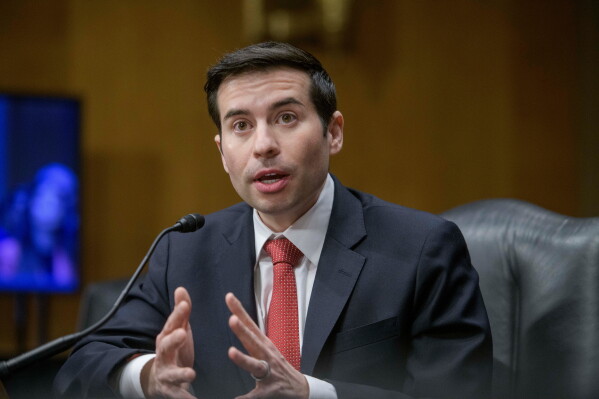
Warsh aims to reform the Fed’s communication strategies and improve data sources for policy decisions, with five task forces established to address these areas. Addressing reporters, he emphasized the need for the Fed to remain focused on future challenges.
This meeting marked Warsh’s debut, following Trump’s replacement of the former chair Jerome Powell, largely due to criticism over insufficient rate cuts. Powell, remaining on the Fed’s board, voted to keep rates around 3.6%.
Warsh faces a dilemma. The Fed often counters inflation by raising interest rates to curb borrowing, which might incur White House disapproval and elevate borrowing costs before the midterms. A resolution to the Iran conflict could potentially reduce gas prices and ease inflation. However, inflationary pressures in other sectors persist.
Warsh previously advocated for lower interest rates when campaigning for the Fed chair role, citing AI advancements as a potential long-term inflation reducer, though many economists were cautious of this claim. Rising investments in tech sectors are currently contributing to inflation.
Since the Iran conflict began on February 28, inflation has reached a three-year high of 4.2%, primarily due to increased gas costs. President Trump has announced a tentative peace agreement, aiming to end the conflict, but uncertainties remain about its permanence. Even with upcoming peace, it may take time for prices of staples like groceries and airline fares to stabilize.
Recent months have seen increased hiring, countering a previous argument for rate cuts. A May report highlighted a jump of 172,000 job additions, marking consistent employment growth over three months. Initially, the Fed planned two rate cuts this year over job loss concerns, but reinforcing job growth alters this directive.
Returning to the White House last year, President Trump has urged the Fed to cut interest rates. Yet, amidst rising inflation, he endorsed Warsh’s independence while opposing rate hikes.
Leave a Reply