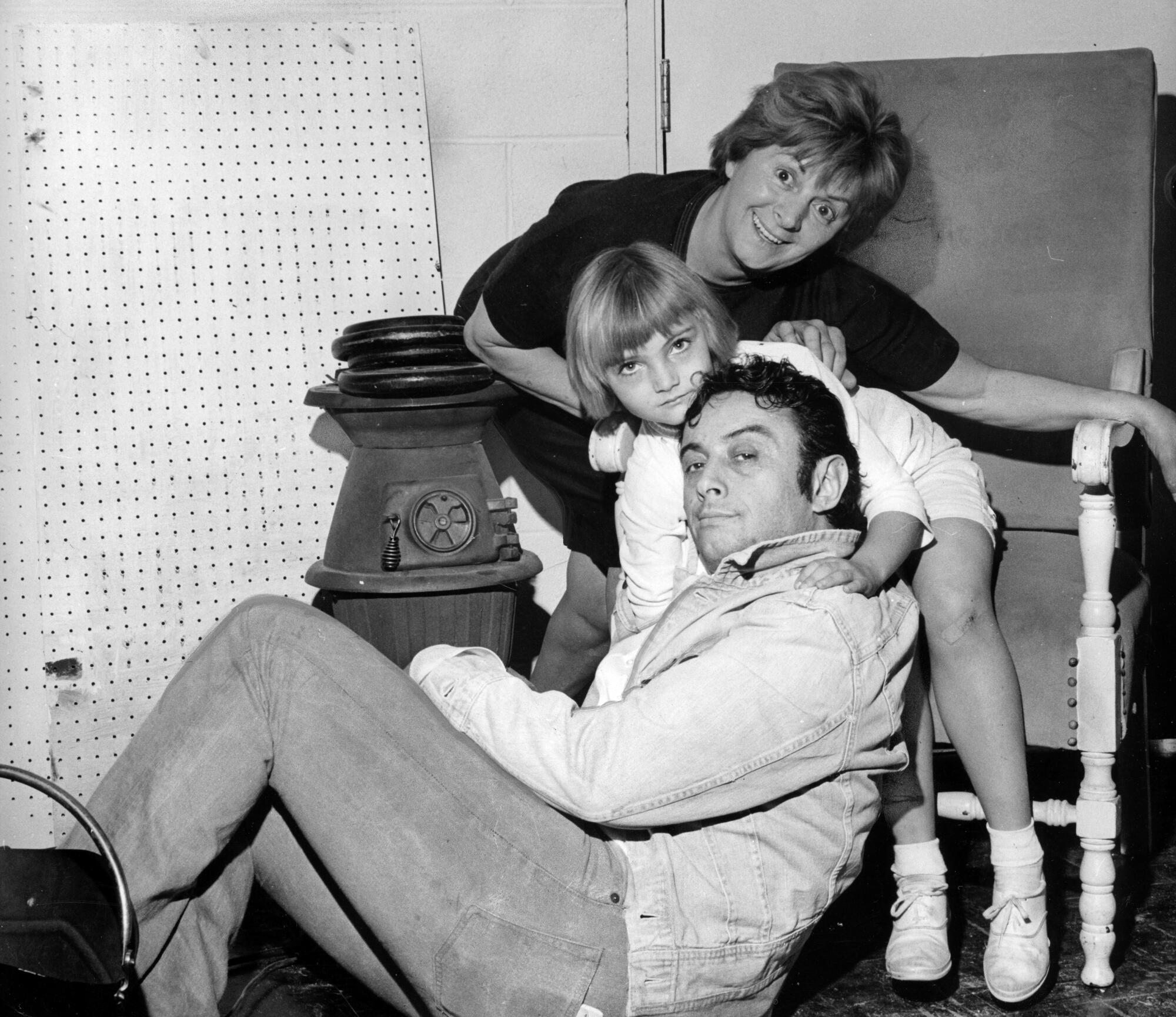
Lenny Bruce, a comedian who sought to transform stand-up comedy, often found himself in legal battles due to his provocative humor. Known for moving beyond conventional comedy, Bruce used his platform for political satire and to challenge societal norms. In February 1963, he faced obscenity charges in Beverly Hills Municipal Court, where he justified his routines by advocating for compassion and criticizing punitive justice.
Bruce’s legal troubles stemmed from performances at The Troubadour and The Unicorn, where his language included words like “asshole” and “schmuck.” He also faced charges for a skit involving the Lone Ranger. Despite these accusations, Bruce’s aim was to highlight society’s contradictions and push for a broader understanding of freedom of expression.
Lenny Bruce stated, “I want them to stop punishing each other, and I want them to open up the jails.”
However, Bruce’s battles with the legal system took a toll. By the time of his death in August 1966 from a heroin overdose, Bruce had been reduced to recounting his legal woes on stage. His passing became a spectacle, with authorities showcasing the tragic end of a once vibrant entertainer. Critics noted that his death accentuated the stigma around his lifestyle.
After Bruce’s death, his influence grew, transforming him into a symbol for freedom of speech. Comedians and advocates like Eddie Izzard and Hugh Hefner praised his role in challenging censorship. His work inspired plays, films, and shows, reflecting his ongoing impact.
Born Leonard Alfred Schneider, Bruce left school early and began his career in a Brooklyn nightclub. He served in the Navy and studied acting under the GI Bill. His act developed in Southern California clubs, where he adopted a style reminiscent of improvisational jazz, targeting organized religion and societal hypocrisy.
One of his notable trials involved vice squad sergeant Sherman Block, who testified against him. Despite the legal challenges, Bruce maintained that his work was a commentary on societal issues, not an attempt to provoke sexual interest. The trial ended with a deadlocked jury, but Bruce continued to face harassment from authorities.
Later, Bruce was prosecuted in New York for his performance at the Cafe Au Go Go, leading to a blacklisting that compounded his legal struggles. Robert Corn-Revere, an attorney who fought for Bruce’s posthumous pardon, noted that Bruce’s conviction shouldn’t have occurred under the evolving obscenity laws.
Though widely respected, Bruce’s language now raises concerns among modern audiences, highlighting changing attitudes towards speech. Some view him as a victim of cancel culture, as his once-celebrated acts might not align with contemporary sensitivities.
Ronnie Marmo, who portrays Bruce in a one-man show, observed shifting audience perceptions, especially post-George Floyd’s death. Bruce’s legacy remains complex, with his contributions to comedy and free speech recognized despite controversial elements.
Leave a Reply