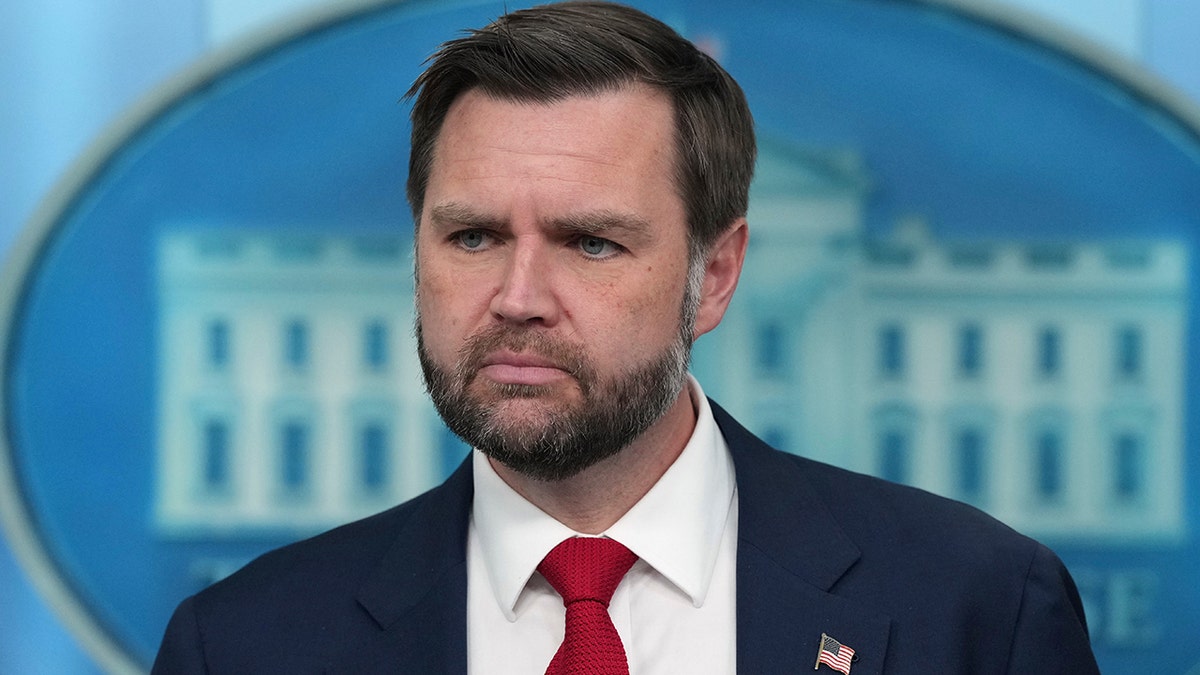
Minnesota Attorney General Keith Ellison expressed strong emotions when questioned about his management of the Minnesota fraud scandal. This happened after Vice President JD Vance threatened to involve the Justice Department. Vance aimed to investigate Ellison’s alleged role in a broad fraud scheme in Minnesota.
Ellison disputed the widely reported $8 billion fraud figure. He labeled it as inaccurate and associated with people linked to the Trump Administration. “That is a false number,” Ellison stated. He emphasized that fraud of any amount is inexcusable.
“Why don’t you give me a break, man?” said Ellison during an interview with Fox News Digital.
The tension arose as Vance, who leads an anti-fraud task force from the Trump administration, sought to launch an investigation. The discussion about Minnesota’s fraud reached notable heights when Vance discussed the issue during a White House press briefing.
Frustration mounted when Ellison was quizzed on the common estimate of the fraud reaching $8 billion. He expressed feelings of unfairness, identifying the figure as being pushed by people with specific political affiliations.
According to Ellison, media reports have used forensic accounting linked to those aligned with Trump. Distressed by the questioning, he concluded the interview abruptly.
Federal investigations suggest the fraud’s magnitude might exceed $9 billion. These numbers emerged during a Senate Homeland Committee hearing where Ellison was present. The scandal became prominent, gathering congressional scrutiny. It linked to federally funded nutrition, education, and Medicaid programs.
First Assistant U.S. Attorney Joe Thompson stated that possibly half of the $18 billion spent on Medicaid since 2018 might involve fraud. Various nonprofit organizations reportedly misappropriated substantial taxpayer funds.
Several fraud cases, notably involving the Somali community, have surfaced. These drew increased attention during the pandemic. The House Oversight Committee maintained that Ellison knew about fraud concerns long before they became public. This claim is supported by conversations with officials in education, human services, and executive offices.
Leave a Reply