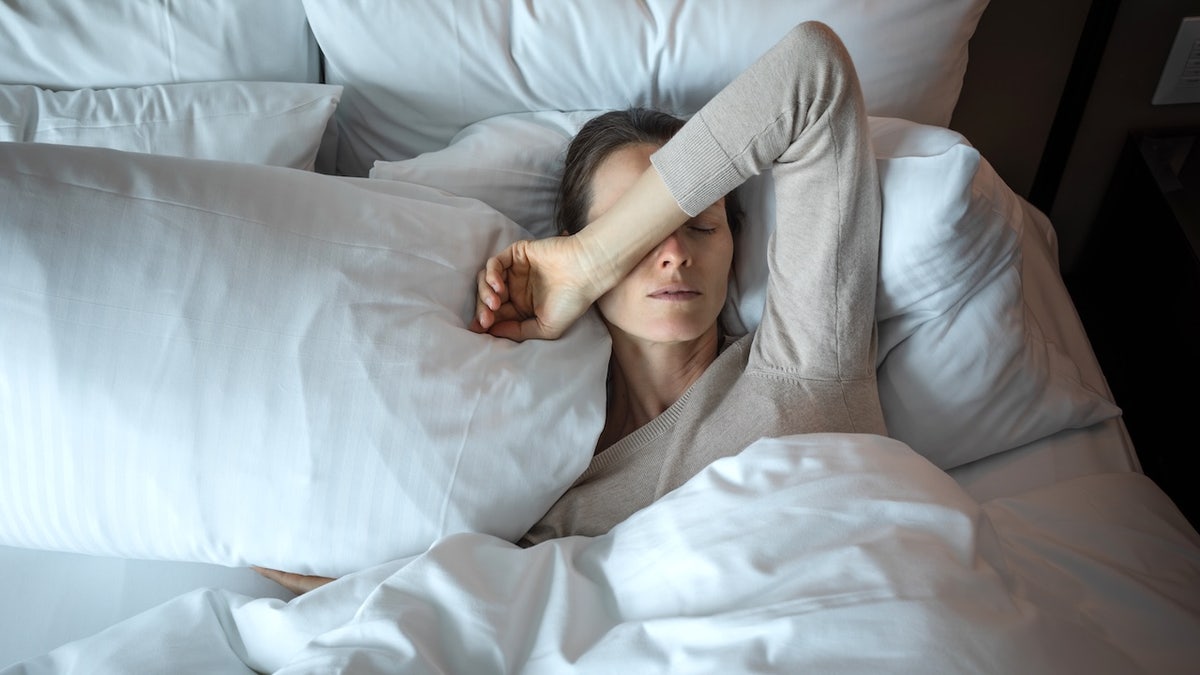
Research from the National Sleep Foundation, published in the journal Sleep, indicates that feeling older than your chronological age might signal insufficient sleep quality. Over 3,100 adults participated, answering the question: “How old do you feel?” Their responses revealed a correlation between older self-perceived age and symptoms of insomnia, irregular sleep patterns, and daytime fatigue.
Study Insights
Participants who perceived themselves as older consistently reported poorer sleep quality and greater sleep-related impairments compared to those who felt younger or aligned with their actual age. This perception was also linked to reports of poorer physical health.
“I’ve worked with many people who come in saying they feel older than they are. They’re exhausted, mentally foggy, less patient, less motivated and generally not functioning at their best,”
commented Jonathan Alpert, a New York-based psychotherapist and author, highlighting the research’s relevance to his observations in practice.
Impact of Poor Sleep
Experts suggest inadequate sleep exacerbates daily demands, impairing concentration, stress management, and energy levels, potentially leading to feelings of premature aging. Alpert further advises examining sleep habits as an initial approach to addressing fatigue before attributing it solely to aging.
This research warns against hastily blaming aging for fatigue, while noting limitations. Self-reported information on perceived age and sleep habits, alongside the study’s observational nature, prevent definitive conclusions on causation between sleep quality and perceived age.
Leave a Reply