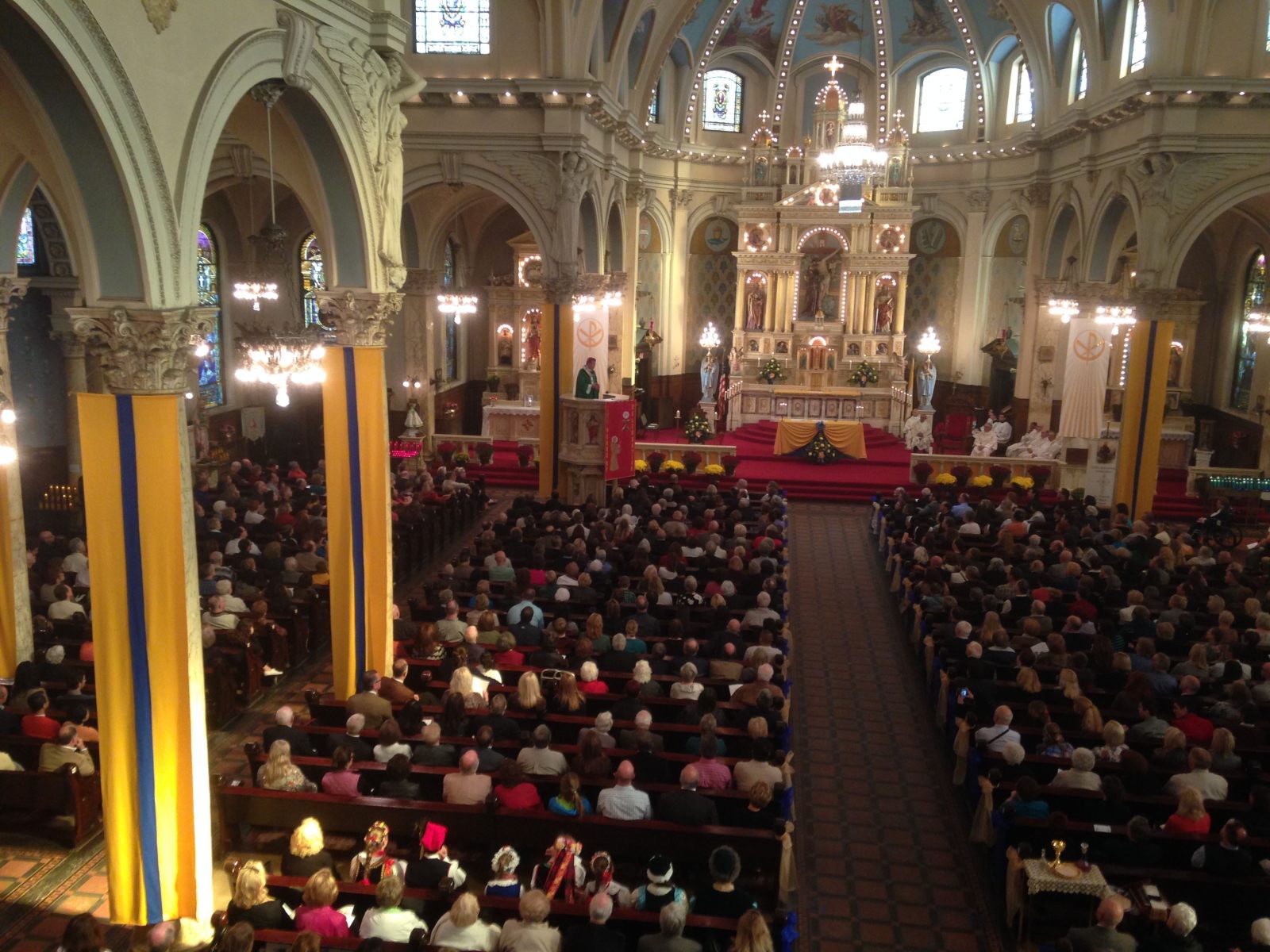
The largest Catholic archdiocese in Michigan is deliberating the suspension of weekend Mass services at up to 90 parishes. This step comes as church leaders contend with decreasing congregations, a shortage of priests, and financial challenges in the Detroit area. Recently, the Archdiocese of Detroit added 32 more parishes to its list of potential closures, in addition to the 58 already marked in previous plans. These proposals form part of a two-year reorganization process aimed at adapting to demographic shifts and declining parish participation.
Data from the archdiocese indicate a 40 percent drop in Mass attendance since 2011, falling from 231,076 worshippers to 139,088 in 2024, despite a regional population growth of nearly 100,000 people during that period. The adjustments reflect broader challenges faced by the Catholic Church, including aging congregations and fewer clergy, amid a general decline in religious affiliation across the United States. Increasing numbers of Americans identify as non-religious, leading to fewer adherents for organized faiths across the country.
The Archdiocese of Dubuque in Iowa announced a similar decision, halting weekend Masses at 84 parishes due to clergy shortages and declining attendance, according to Eternal Word Television Network (EWTN).
Archdiocese of Detroit’s Plans
The Archdiocese of Detroit has conducted over 400 parish listening sessions during the planning phase, stated Archbishop Edward J. Weisenburger of Detroit in a video address. It’s described as a “deeply layered” process, and feedback is still welcomed online.
The newest strategies cover areas within metro Detroit and counties like Wayne, Oakland, and Macomb. Several versions of the plans are under consideration. They are not finalized yet; new pastorates will be announced in April 2027, with implementation starting July 1.
“I know this process has not been an easy one for many of us,” Weisenburger commented. “I know, too, that as we discern the future of our archdiocese together, difficult decisions must be made. But my hope remains in our shared vision for the future, vibrant faith communities, flourishing priests, and sustainable mission-ready parishes.”
The Decline Behind the Closures
The restructuring page of the Archdiocese of Detroit explains, “Over the past several decades, changes in religious affiliation and population patterns have left us with more church buildings than our current Catholic population requires.”
According to the archdiocese, the local Catholic population has decreased from a peak of approximately 1.5 million to around 900,000 today. The archdiocese projects a 4 percent annual decline in Mass attendance and warns that, at this rate, one-third of today’s Mass-attending Catholics will cease attending within a decade. In 2024, only 29 percent of pews were filled across the archdiocese.
There is also a significant decline in sacramental participation. Infant baptisms have reduced by around 60–70 percent from their highest levels, while marriages have dropped by 40–50 percent. Funerals now surpass each other sacrament in number, with about 6,000 annually, exceeding baptisms, marriages, and confirmations individually. This pattern reflects an aging Catholic population and a diminishing influx of new participants.
The archdiocese faces a shrinking priesthood as well. Many pastors must handle multiple administrative tasks, reducing their time for ministry, with most priests now over 50 years old. The archdiocese expects fewer than 165 priests to serve in parish ministry by 2029.
Archbishop Urges Hope Amid Changes
Church leaders assert the restructuring aims to address these trends by consolidating resources and crafting sustainable parish structures for the future.
In his announcement of the restructure, Archbishop Weisenburger remarked, “While I believe that our commitment to Christ and his Church means that we must face these challenges, I do not believe that this moment in time need be marked primarily by anxiety or despair. Rather, I believe the situation we are facing is one that holds real and blessed opportunities.”
He expressed the belief that God is calling the archdiocese to “reimagine parish life” and “face our future with creativity and deep faith.”
Leave a Reply