Thousands of abandoned oil and gas wells spread across southern Illinois, remnants of the state’s past as a leading oil producer. These wells dot farm fields, hide in woods, and border waterways. Many, termed as ‘orphans’ by the state, have owners who are either deceased or unidentified, with bankrupt companies leaving them behind. Left unplugged, these wells can leak toxic chemicals deep below the surface, potentially contaminating groundwater, and contribute climate-warming methane gas to the atmosphere.
These wells also enable underground brine, much saltier than seawater, to spill onto fertile lands, destroying crops and rendering soil lifeless for years. The Chicago Tribune investigates how Illinois regulators failed to curb the increase of abandoned wells in the state. This investigation explores how easily oil operators avoid their duties to plug non-producing wells, burdening taxpayers with millions in cleanup costs and exposing communities to several environmental hazards.
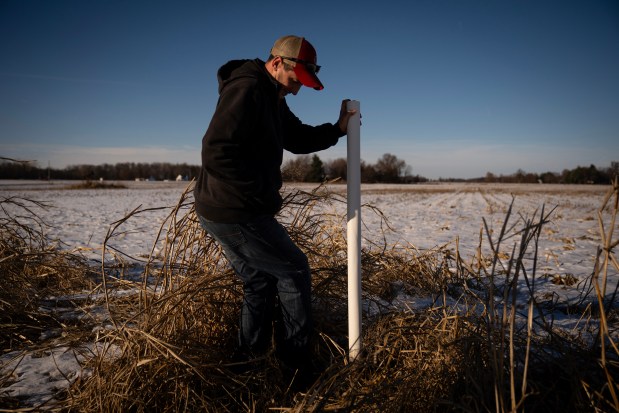
Jon Rosborough examines an abandoned oil well, drilled in 1916 on his family’s farm in Crawford County, highlighting the ongoing problem. Historically, Illinois was a major oil producer, but its current legacy is a $160 million issue. Oil companies are responsible for managing environmental and health risks by sealing off wells no longer in use. Yet nearly 4,000 wells remain unplugged, posing environmental threats. Over years, the Illinois Department of Natural Resources has struggled to meet this challenge.
A detailed Tribune investigation uncovered that the state mismanaged millions in operator fees meant to prevent well abandonment problems. It also failed to adequately document the total number of abandoned wells. An abandoned well near Casey, downstate, illustrates these challenges.
A mysterious case involving Fireball Production Inc. left behind 603 wells, costing Illinois millions. Over four months, the Chicago Tribune examined unreleased public records and conducted interviews to reveal how the company skirted its legal duties. This left communities exposed to contaminants while burdening the state with about $24 million in cleanup costs.
On May 22, 2026, abandoned oil equipment on the farm of James Myers in Assumption showed the enduring impact. In Illinois, pushing oil and gas operators to pay for such wells can span decades. Nearly 200 wells once managed by Duncan Oil Co. are the focus of a lengthy court battle with the state over the failure to plug them. The Illinois Department of Natural Resources and the attorney general’s office took legal action, preventing the transfer of these wells to Dix Oil Co., a related entity. This ongoing case prevents these from becoming a state responsibility.
Leave a Reply