Celebrating Christmas in July might seem out of the ordinary, but for researchers and readers of The BMJ, it’s a time to delve into unique studies. The BMJ’s Christmas issue, renowned for its mix of fun and intriguing research, presents thought-provoking questions and analyses annually.
The Origin and Significance of The BMJ’s Christmas Issue
The tradition began in 1982 as a light-hearted collection of research for the holiday season. Recognized as a prestigious platform, it has evolved into one of the most awaited issues of The BMJ. Researcher submissions for this issue are seen as a notable achievement.
Despite its playful nature, the competition to appear in the issue is intense. Each year, The BMJ receives over a hundred submissions, accepting only a select few through a rigorous review process. Deadlines for submissions are set for July 31 and August 31, respectively for research and non-research content.
Topics and Themes Explored in the Christmas Issue
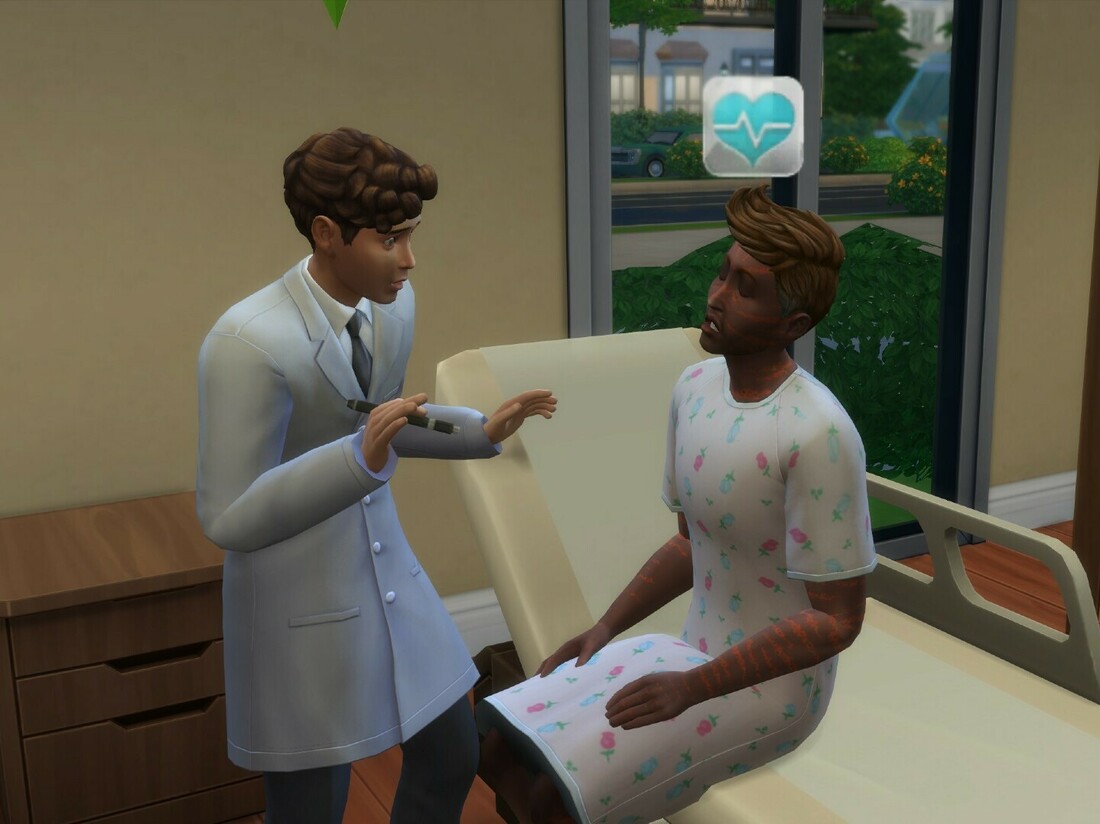
The Christmas issue covers various topics, including the social simulation game The Sims 4, free snack etiquette, and the effects of clock towers on sleep. Each year, editors like Jenny Rasanathan and Timothy Feeney play a crucial role in selecting content.
Timothy describes the issue as a way for physicians to enjoy a break, filled with intriguing and sometimes humorous content. The analysis on socially acceptable amounts of free food by Jenny Rasanathan, and comparisons between doctors in The Sims 4 and real life, highlight challenges like work-life balance.
Notable Studies Published in Previous Issues
Readers can explore past Christmas editions, featuring studies such as:
- ‘Taking the biscuit: defining excessive quantities of free refreshments in a healthcare library’
- ‘I tried to survive as a Doctor in The Sims 4’
- ‘Things that go BONG! in the night’
- ‘Does Peppa Pig encourage inappropriate use of primary care resources?’
- ‘Anticipating the ageing trajectories of superheroes in the Marvel cinematic universe’
Short Wave listeners can tune in on platforms like Spotify, Apple Podcasts, and Google Podcasts. For those interested in new topics, contact [email protected] with science story suggestions.
This episode benefited from the contributions of Liz Metzger, Margaret Cirino, Rebecca Ramirez, and audio expertise by Hannah Gluvna.
Leave a Reply