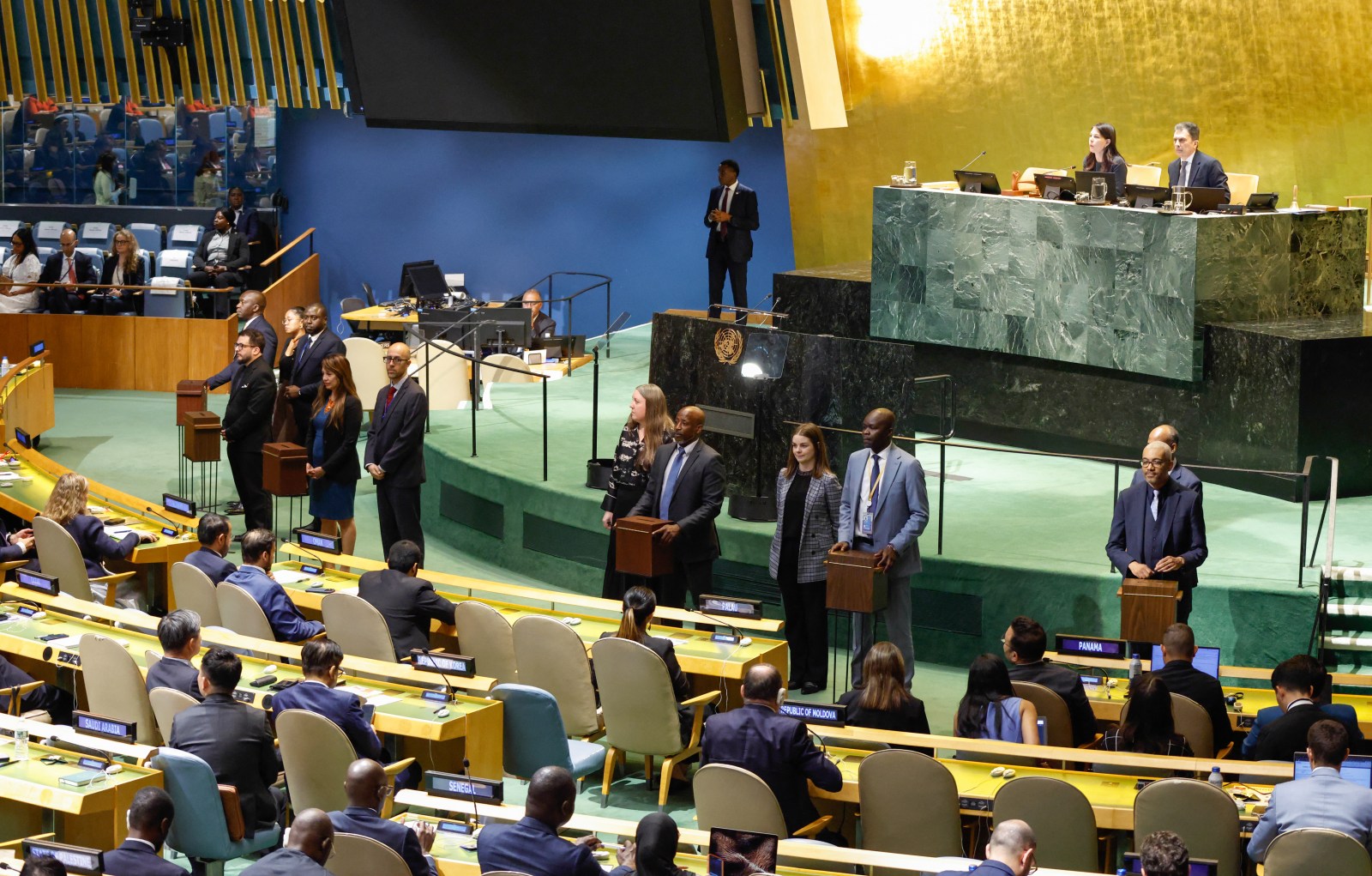
The United Nations has addressed its financial difficulties by halting refunds to member states, regardless of their contributions to the global body’s budget. For over seventy years, the U.N. refunded unspent funds to its members to prevent inefficiency at the New York headquarters. However, this practice became problematic as rebates were extended to countries that delayed or did not pay at all.
The organization faced further financial strain from the U.S., which contributes 22% of its budget, and was behind on payments. China also had payment arrears close to $400 million, according to the Wall Street Journal. The U.N. Secretary-General, António Guterres, warned of a potential financial collapse, prompting the U.N. General Assembly to amend this budget policy.
Annalena Baerbock, General Assembly President, described the prior rule of reimbursing unpaid funds as ‘Kafkaesque’ and cited it as a factor in the organization’s liquidity crisis. Following the recent resolution, Baerbock announced that the assembly had ‘avoided the imminent financial collapse of the U.N.’
Financial Woes for the U.N.
Annual dues to the U.N. are mandatory and based on a nation’s gross domestic product. Former President Donald Trump expressed dissatisfaction with the U.N., withdrawing the U.S. from several agencies, including the Population Fund, UNESCO, the World Health Organization, and the Human Rights Council. This reduced payments for peacekeeping operations.
The U.S. accounted for approximately $2.2 billion of the owed money, which is about 95% of outstanding dues, as reported by The New York Times citing a senior U.N. official. The organization ended 2025 with a record $1.6 billion in unpaid assessments, per a financial status report released in May. Combined arrears in the general budget, peacekeeping, and tribunals surpassed $6.5 billion.
In January, the U.N. warned it might deplete its funds by July and close its New York headquarters if noteworthy contributors, especially the U.S., remained delinquent. The previous month, the General Assembly had approved a $3.45 billion budget focused on peace, sustainability, and human rights.
Guterres praised the rule change, highlighting its importance for resource management, particularly in peacekeeping. ‘This decision will allow us to manage resources, especially for regular and peacekeeping budgets, in a more predictable and responsible way,’ he stated.
Leave a Reply