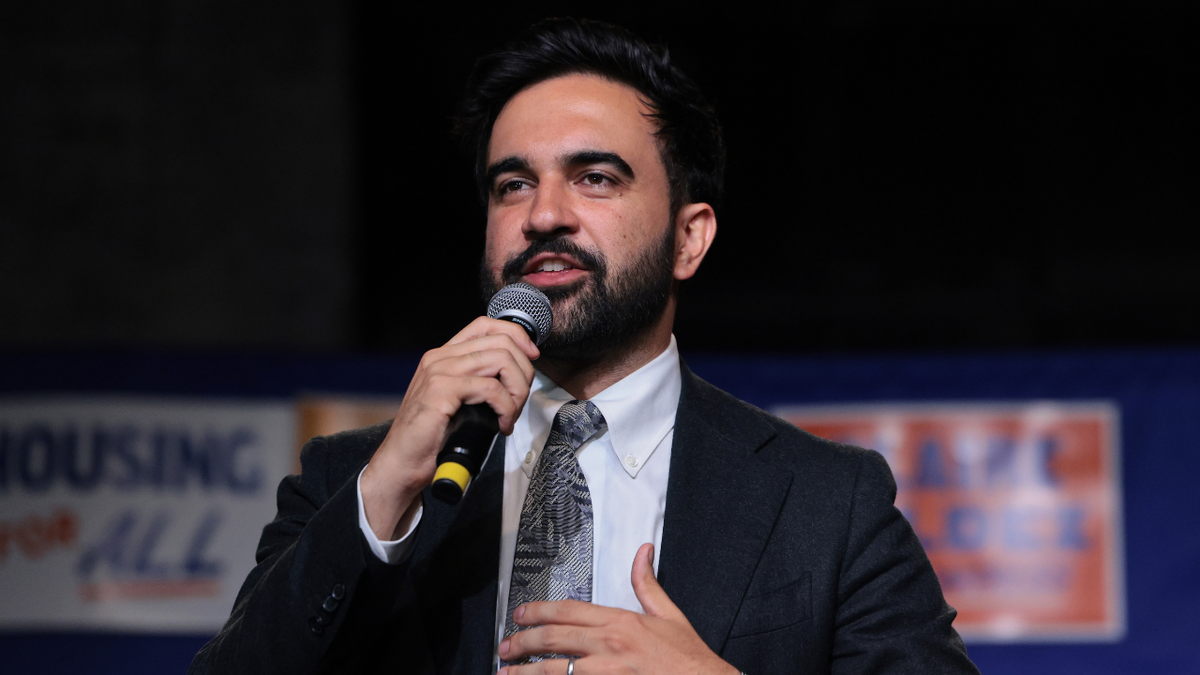
Arpit Gupta, the sole dissenting member of New York City’s Rent Guidelines Board (RGB) regarding the rent freeze, expressed concerns that the policy could lead older rent-stabilized buildings towards disrepair. The freeze, part of Mayor Zohran Mamdani’s campaign promise, worries Gupta as it might make it difficult for landlords to cover their expenses.
Gupta, an associate finance professor at New York University’s business school, described the situation as a “slow burn,” emphasizing the risk of buildings facing greater distress. He noted responses like deferred maintenance, which can deteriorate building conditions. Other issues include owners falling behind on mortgage and insurance payments and possibly transferring property ownership due to tax liens.
RGB Chair Chantella Mitchell acknowledged landlords face increasing costs but stated most can handle them. Gupta countered that financial strains differ across the city’s housing stock, with older rent-reliant buildings feeling the greatest burden.
Under Mamdani, the board went further than former Mayor Bill de Blasio, freezing rents for more leases than previously. Approximately one million rent-stabilized units will abide by the freeze. This means landlords may have to wait until late 2029 to raise rents in the longest cases.
Gupta believes the blanket freeze fails to address the affordability crisis effectively. He suggests targeted aid for struggling tenants while allowing financially burdened buildings to increase rents. With 30% of rent-stabilized tenants earning six figures, Gupta feels the system overlooks market-rate tenants, potentially increasing rents for them as their sector is untouched by the freeze.
Existing programs offer rent relief to qualifying senior citizens and disabled individuals; Gupta advises expanding this relief for low-income residents rather than solely focusing on rent-stabilized tenants. Furthermore, he thinks the freeze causes landlords to leave units vacant, unable to cover rehabilitation costs before renting them out again.
In early June, reports indicated more than 57,000 stabilized apartments were vacant in April 2025, a figure state housing officials believe does not provide a full perspective. Gupta argues vacancies are partly due to recovery costs post-tenant departure.
Landlords link revenue declines to the 2019 Housing Stability and Tenant Protection Act, which eliminated the “vacancy bonus” that let them raise rents significantly after tenant turnover. Gupta acknowledges tenants struggle to pay rents, although previous efforts aimed to relieve affordability pressures.
The RGB saw a significant increase in city spending on tenant back rent from 2022 to 2025. Evictions, predominantly from rent-stabilized units, helped support the case for the freeze.
Gupta repudiates the notion that the board’s decision was predetermined by Mamdani’s appointments. Yet, Christina Smyth, another appointee, resigned, stating the board felt obligated to deliver a rent freeze.
Gupta’s ongoing concern lies in the potential extension of the rent freeze, which could extend far beyond reasonable periods, given Mamdani’s promise.“I’ve had many discussions with other members of the board, and I’ve asked, ‘if you vote for the rent freeze now, what are the conditions under which you would vote for rental increases?’” Gupta said, emphasizing the uncertainty about future policy direction.
Fox News Digital inquired about whether Mitchell viewed the freeze as temporary and its impact on rent-stabilized buildings, but she declined to comment further.
Leave a Reply