President Donald Trump announced a temporary pause on the 50 percent tariffs targeting Canadian imports for three days. This decision follows a tentative agreement between the U.S. and Canada, which still awaits final documentation. The Associated Press highlighted that these tariffs, set to begin Wednesday, would have impacted approximately $20 billion worth of Canadian goods.
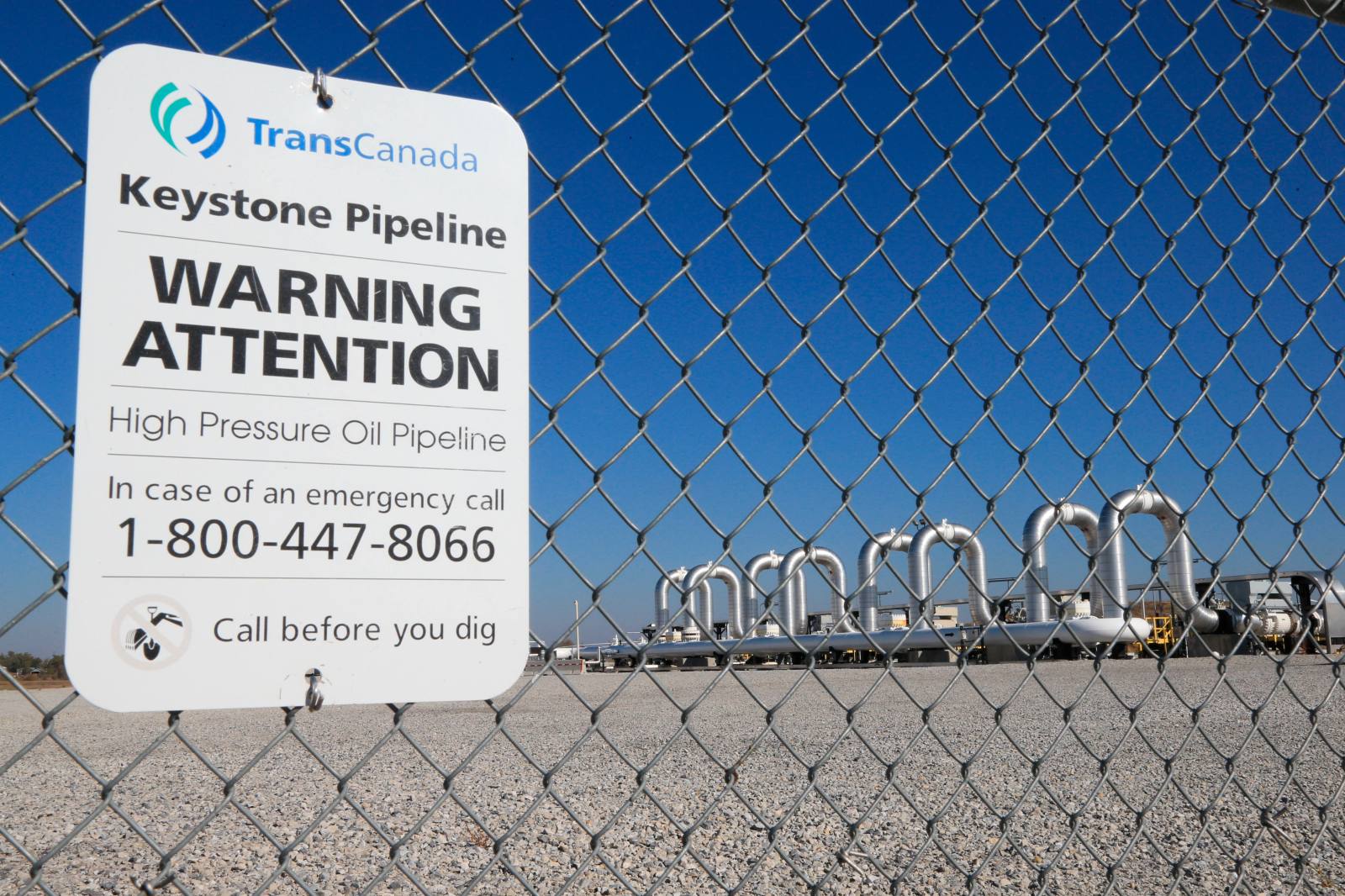
Trump hinted that the agreement could potentially lead to the revival of the Keystone XL Pipeline. This pipeline project had been canceled under President Joe Biden’s administration in 2021. Trump stated that the pipeline “may be awoken from the grave.” The revival effort represents Trump’s ongoing initiative to reverse Biden-era policies concerning this contested pipeline. However, the project’s future could face numerous regulatory and development challenges.
Canadian Prime Minister Mark Carney confirmed progress in negotiations between the two nations. He clarified that while significant strides were made, a finalized deal was not yet complete. Canadian and U.S. officials will continue working towards a conclusive agreement.
Keystone XL Pipeline Overview
The Keystone XL Pipeline has been a focal point in modern North American energy discussions, embroiled in debates over climate change, energy security, job creation, Indigenous rights, and U.S.-Canada relations. Initially proposed in 2008 by TransCanada Corporation, now TC Energy, the pipeline was meant to expand the existing Keystone Pipeline System. This system already transported crude oil from Alberta, Canada, into the United States.
The proposed expansion would have added a new pipeline from Hardisty, Alberta, to Steele City, Nebraska, linking with pipelines extending to Gulf Coast refineries. Proponents contended it would boost North American energy independence and spur job creation. However, critics saw it as furthering dependency on fossil fuels.
Designed to transport up to 830,000 barrels of oil per day, the pipeline raised environmental concerns. Possible spills along sensitive areas like Nebraska’s Sandhills region and the Ogallala Aquifer, a significant freshwater reserve, were particularly troubling to environmental advocates.
Due to the international border crossing, a U.S. presidential permit was necessary, escalating the project into a political issue. After extensive reviews, President Barack Obama rejected the project in November 2015. It received renewed support after Trump took office in 2017, yet Biden later revoked the cross-border permit in 2021.
Details on the U.S.-Canada Deal
The United States Trade Representative responded to Trump’s announcement with enthusiasm. The statement shared on X praised the agreement, indicating it would deliver comprehensive market access for American goods and foster economic security. Digital trade alignment and provisions safeguarding markets and workers were also among the deal’s elements.
This is an evolving story, and further details are expected as developments occur.
Leave a Reply