The U.S. Congress passed a law in February 2026 to penalize countries involved in the trafficking of Cuban doctors through the Castro regime’s medical missions. Another vote is anticipated for the 2027 fiscal year in the House soon.
For decades, the Cuban government has forced medical professionals to work under harsh conditions in undesirable locations, reaping billions while the doctors receive minimal pay. The regime reportedly earns $4-8 billion annually, with officials keeping 75-95% of the doctors’ wages.
U.S. Actions Against Cuban Entities: The U.S. State Department reports that the Cuban regime confiscates doctors’ passports, uses their families for leverage, requires handlers to monitor them, and punishes families if the doctors defect. The program, called “human trafficking” or “forced labor,” has been condemned since 2010.
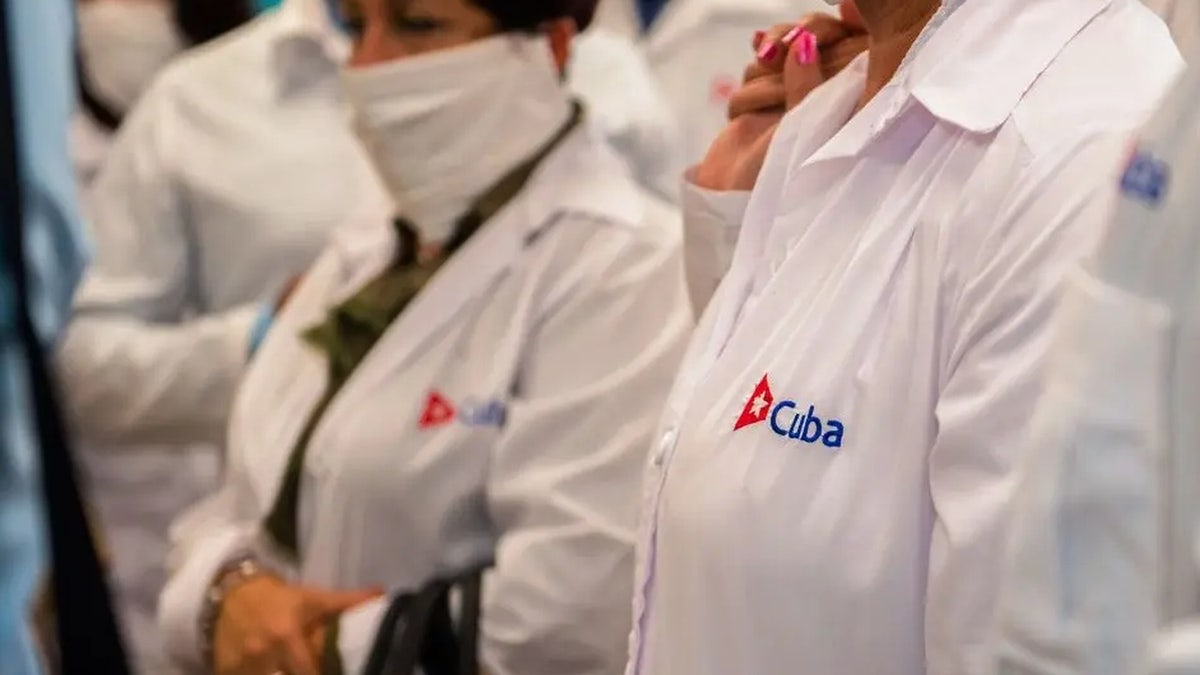
A picture shows Cuban embroidery on the white coat of a Cuban doctor upon arrival in Martinique on June 26, 2020. (Photo by LIONEL CHAMOISEAU/AFP via Getty Images)
The Consolidated Appropriations Act of 2026 targets nations financially supporting this exploitation. Countries identified will be listed and notified by the State Department. If they remain on the list for two consecutive years, they risk losing U.S. foreign aid, while foreign officials involved face entry bans and asset freezes in the U.S.
This sanction has led to changes. Nations like Guatemala, Jamaica, Guyana, St. Vincent and the Grenadines, Paraguay, and Honduras are reducing or ceasing use of Cuban doctors. The Bahamas seeks to make direct payments to doctors, bypassing the regime—a plan previously rejected by the Cuban government.
The Trump administration has enforced the law by restricting visas for officials from Brazil, Grenada, and several African nations linked to the program.
This legislation ensures accountability and punishes those benefiting from the exploitation, resulting in loss of U.S. aid, travel bans, and financial sanctions. It supports oppressed Cuban citizens by protecting doctors from exploitation, while cutting a crucial financial source for the regime.
Rep. Mario Díaz-Balart, vice chair of the House Appropriations Committee, emphasizes the importance of this legislation in safeguarding Cuban medical professionals.
Leave a Reply