Introduction to the Robot-Serviced Hotel
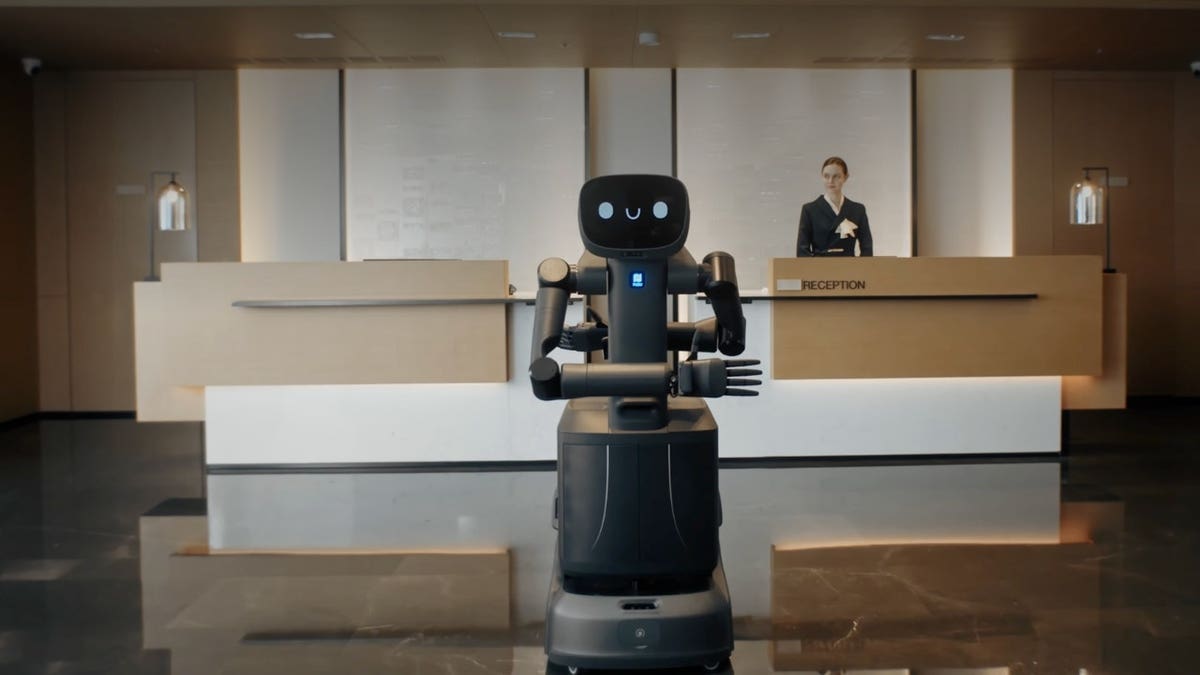
Pudu Robotics has announced its innovative “full-scenario robot-serviced hotel.” This project aims to integrate robots throughout the guest experience, handling roles from reception and room service to cleaning, food preparation, and guest support. The hotel is expected to open in 2027, with early trials scheduled for late 2026. Guests will get a chance to experience robot check-in and autonomous in-room delivery before the official launch.
Location and Timing
The hotel will be situated on West Artificial Island, connected to the Shenzhen-Zhongshan Link in Guangdong Province through a significant cross-sea bridge and tunnel project. Shenzhen, being a major tech hub in China, presents a fitting locale for advancements like these.
Role of Robots in the Hotel
The robot-serviced hotel will feature 44 upscale rooms, a restaurant, a gym, and various guest spaces. Pudu positions robots to fulfill multiple roles, including reception, room service, cleaning, food preparation, and guest support. Services will be managed by robots such as FlashBot for vending and PUDU T300 for luggage transport. Cleaning tasks will rely on AI technology, managed by PUDU CC1 Pro and PUDU MT1 robots.
The Technological Framework
Pudu Robotics will employ PuduFM 1.0 and PuduAgent technologies to ensure efficient operations and connectivity among robot staff.
Impact and Future Implications
“This partnership represents an important step toward large-scale deployment of embodied intelligence in premium hospitality environments,” stated Cong Guo, co-founder and CTO of Pudu Robotics.
The upcoming trials in 2026 will allow Pudu Robotics to assess AI and robotics integration into seamless service experiences, setting a precedent for hospitality technology advancements.
Why China’s Rapid Adoption Matters
China has readily integrated service robots into venues like hotels, restaurants, and airports. This initiative aims to expand the application further, collaborating with Shenzhen Culture & Tourism Industry Development to enhance West Artificial Island into a hub for robotics and technology.
Considerations for Travelers
While robot-run hotels promise efficiency with accelerated check-in and automated services, they also spark discussions on employment, privacy, safety, and preferred guest experiences. Observing traveler reactions could offer insights into how hospitality methods adapt alongside technological strides.
Conclusion
China’s robot-serviced hotel serves as an experiment into hospitality automation. Advance technology may streamline operations, but the essence of hospitality often involves human interaction. The balance between convenience and human touch is at the heart of these modern endeavors.
Leave a Reply