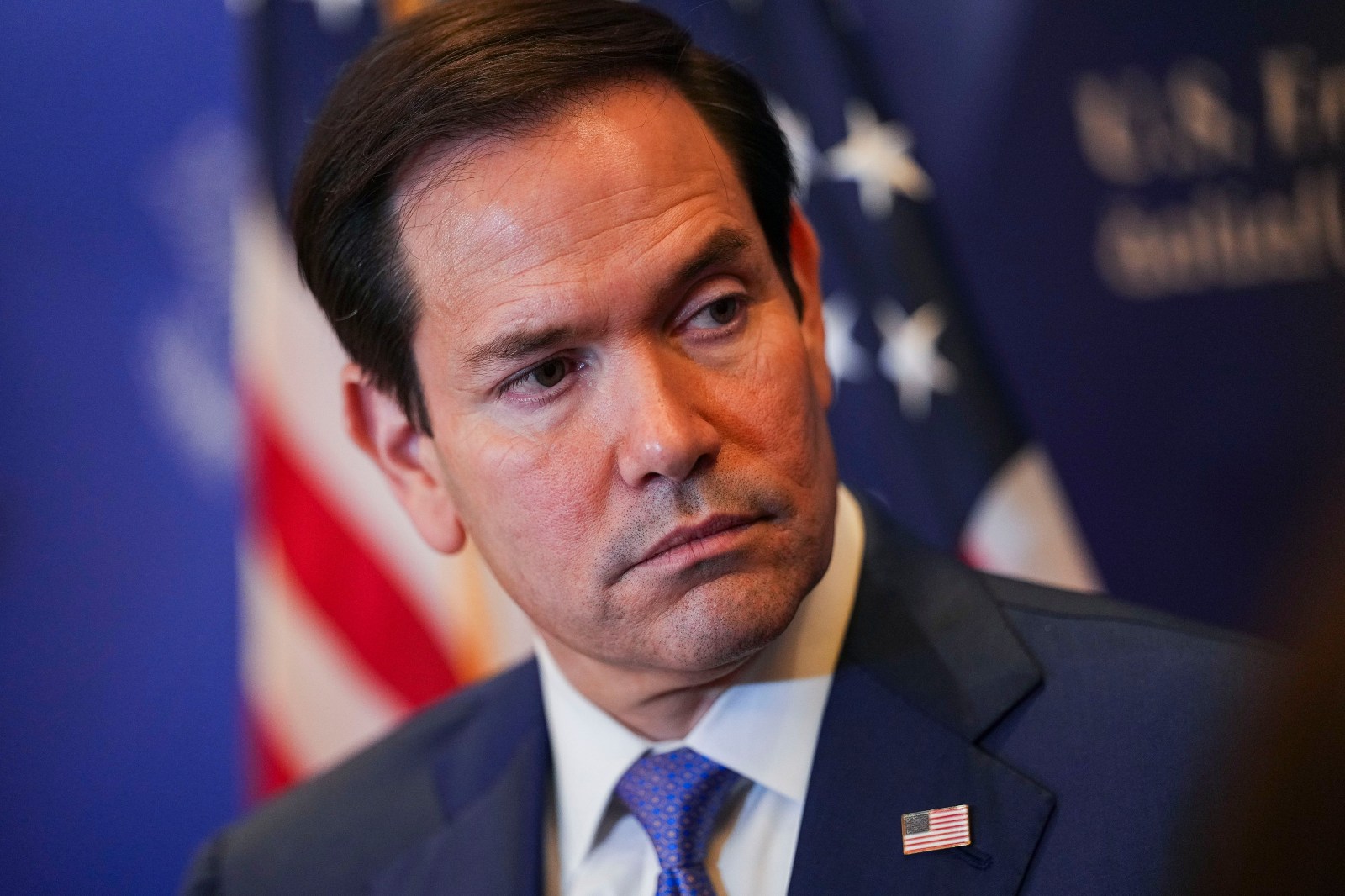
Secretary of State Marco Rubio acknowledged the Trump administration’s response to recent twin earthquakes in Venezuela while commemorating the 215th anniversary of Venezuela’s Declaration of Independence from Spain. Rubio expressed solidarity with Venezuelans during this commemoration and emphasized support efforts following the disaster.
The devastating earthquakes, measuring 7.2 and 7.5 on the Richter scale, struck on June 24. The coastal area of La Guaira, near Caracas, experienced the most damage. The death toll from these back-to-back earthquakes has reached nearly 3,000, with ongoing rescue operations amid diminishing hopes.
International search and rescue teams, including those from the U.S., have been aiding Venezuela in locating and rescuing survivors. According to Rubio, the swift deployment of U.S. urban search and rescue teams from various fire departments exemplified America’s commitment to aiding Venezuela’s recovery.
International Rescue Efforts
As rescue operations wrap up, the Venezuelan government confirmed the death toll at 2,954, with over 41,000 people estimated missing. The earthquakes have exacerbated existing hardships in a country already suffering from prolonged economic and political challenges. Approximately 16,000 individuals have been left homeless.
Criticism has been directed at the Venezuelan government’s response, which many view as slow and ineffective. Citizens have relied on community support and neighboring areas for aid. One volunteer, Miguel Poleo, highlighted the lack of effective government assistance, pointing out the need for more practical support from authorities.
U.S. Commitment and Assistance
President Donald Trump had earlier proclaimed his administration’s intention to assist Venezuela’s recovery after the arrest of Nicolas Maduro. Despite not fulfilling the promise of reshaping Venezuela’s infrastructure, Trump’s administration moved swiftly to address the earthquake aftermath, pledging ongoing support.
The Department of State, under Rubio, deployed a regional Disaster Assistance Response Team (DART) to evaluate and respond to needs on the ground. Additionally, the U.S. provided aerial images for damage assessment and coordinated with U.N. agencies and NGOs to facilitate rescue and survival efforts.
However, the closure of the U.S. Agency for International Development (USAID) a year prior limited the scope of assistance. Previously, USAID was a major global contributor to humanitarian aid.
Leave a Reply