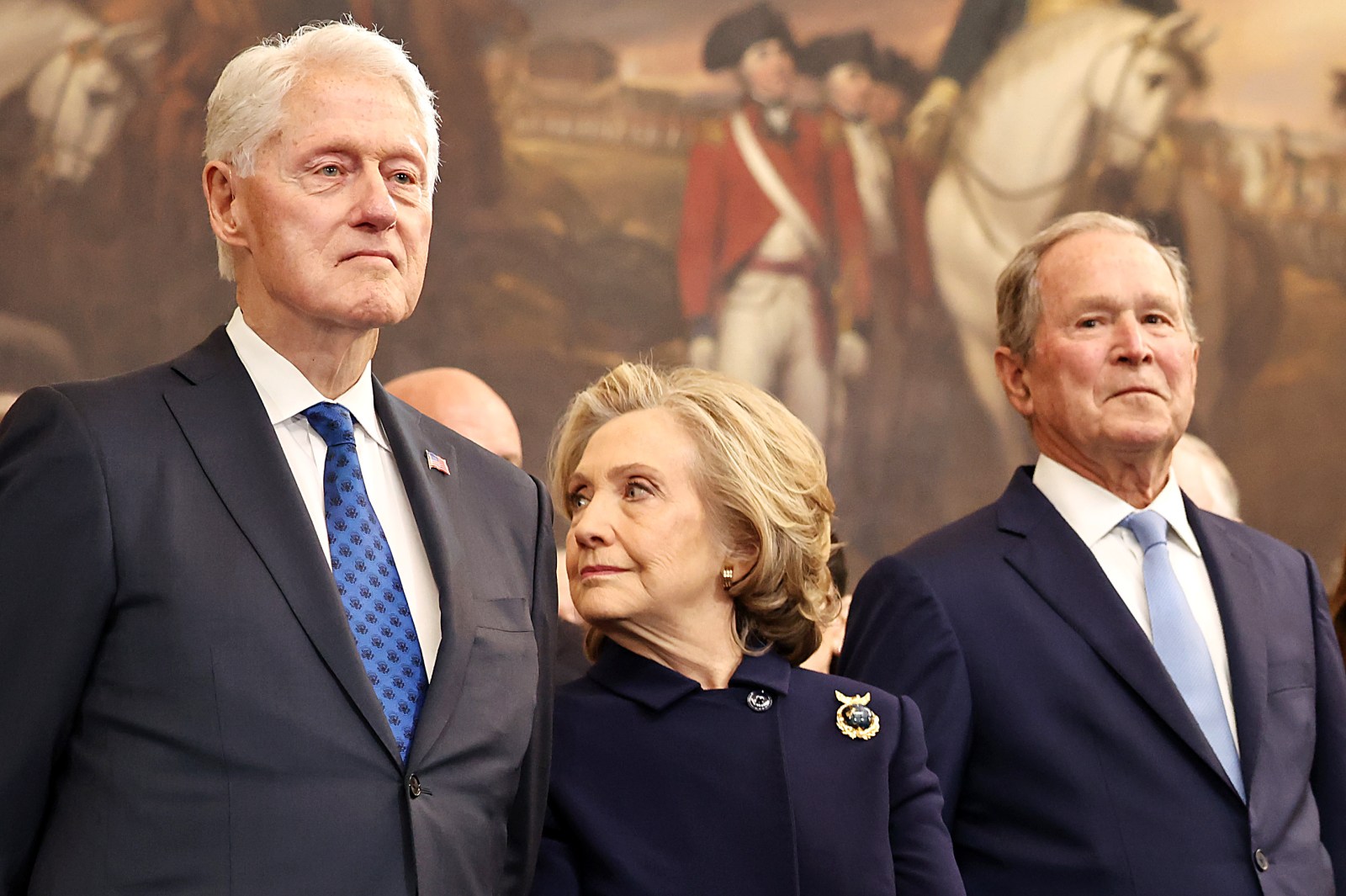
Within a brief 66-day period in the summer of 1946, the United States saw the birth of three future presidents: Bill Clinton, George W. Bush, and Donald Trump. Born into a nation invigorated by recent victory in World War II, these leaders each navigated the evolving legacy of American leadership across distinct eras.
Post-War Context
Clinton, Bush, and Trump were born after World War II concluded yet before critical postwar structures and events unfolded. Organizations like NATO had not yet formed, the Berlin Blockade was still to come, the Korean War was years off, and the Cold War’s infancy was just beginning. Their experiences encapsulate nearly the entire breadth of the American-led order, highlighting its construction and the current debates regarding its future.
Bill Clinton
At 46, Clinton assumed the presidency in 1993, making him one of the youngest to hold the office. His era is often cited as marking the U.S.’s evolution into a leading superpower in a post-Soviet world. The 1990s economy prospered, boasting the longest period of economic expansion until 2019, marked by low inflation, low unemployment, and budget surpluses. Clinton’s presidency aligned with a global rise in free trade and globalization, positioning America centrally in a connected global landscape.
George W. Bush
Bush’s presidency marked a significant departure from the previous period of stability. The burst of the dotcom bubble and subsequent market downturn overlapped with the beginning of his term. The attacks of September 11, 2001, abruptly ended the peaceful post-Cold War era. With military involvements in Iraq and Afghanistan, the U.S. narrative shifted toward security and intervention. Prolonged overseas conflicts and a financial crisis contributed to diminished trust in institutions and American leadership globally.
Donald Trump
Following Obama’s presidency, Trump’s ascent came during a period when confidence in American global leadership had waned due to wars and economic challenges. Trump’s approach portrayed globalization as a disadvantage for the U.S., once the unrivaled superpower. His ‘America First’ policies prioritized tariffs, border control, and competition. This shift signaled increasing skepticism about the order America had previously shaped, focusing on defending rather than reshaping global dynamics.
The Legacies of 1946
As these presidents reach 80, their shared birth year underscores their distinct roles in American history. Each brought elements of the nation’s past while grappling with the evolving challenges from confidence to complexity. As representatives of a generation born when American global influence was emerging, their political journeys reflect different stages of this unfolding saga.
Leave a Reply