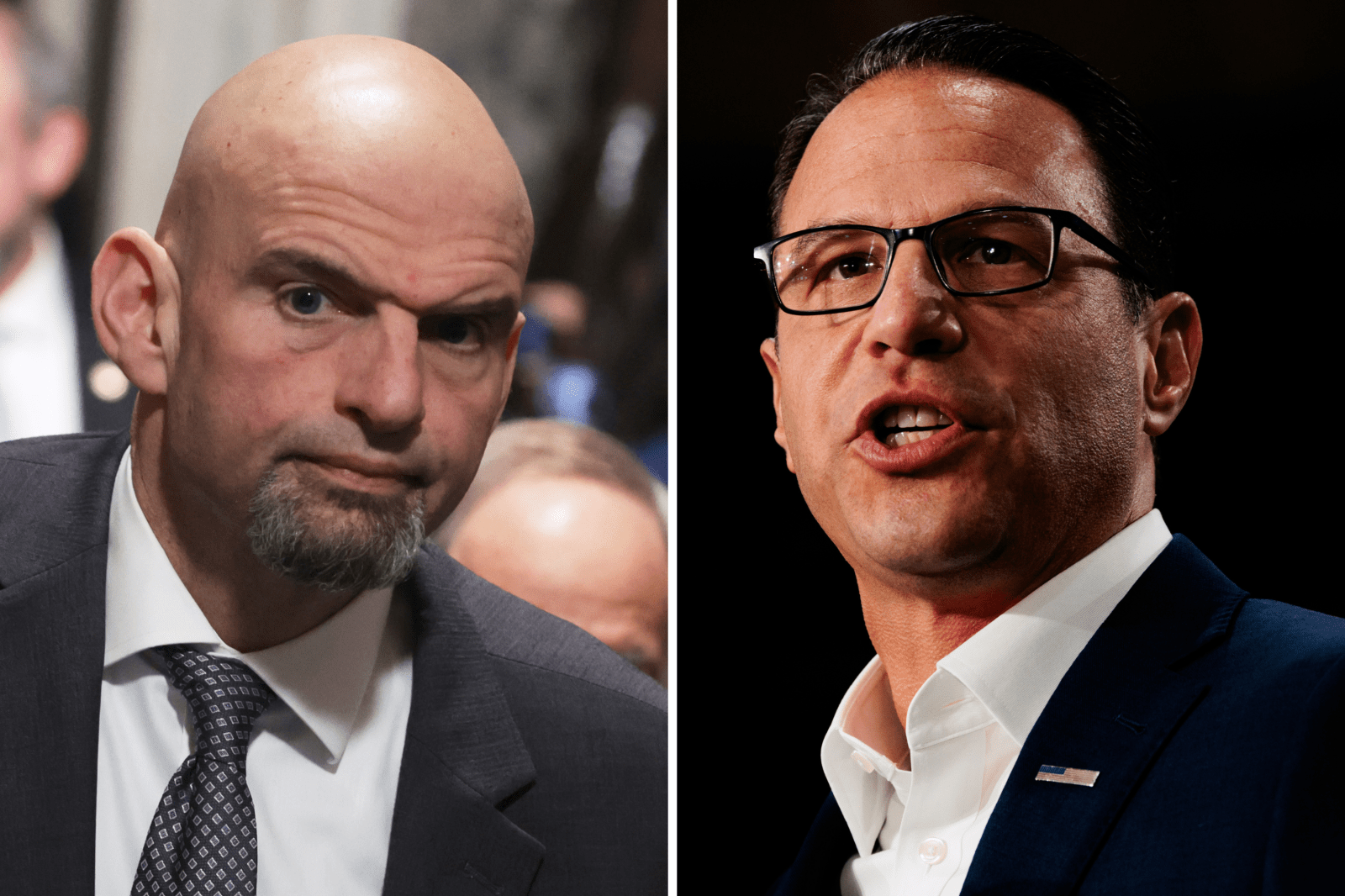
Quinnipiac Poll Results: Shapiro’s Lead Narrows
Recent polling by Quinnipiac University highlights a tightening race in Pennsylvania’s gubernatorial contest. Democratic Governor Josh Shapiro’s lead has decreased as the election approaches. Once enjoying an 18-point advantage, Shapiro now leads Republican Stacy Garrity by 13 points. While still favored, the race has nonetheless become more competitive.
Pennsylvania remains a critical swing state. In past elections, it has supported both Democratic and Republican candidates. In the 2024 election, former President Donald Trump won Pennsylvania by nearly two percentage points, a shift from 2020 when President Joe Biden carried the state.
Governor Shapiro, seeking reelection, is expected to face significant pressure as Democrats aim to strengthen their presence in the state. Despite the closer margin, Shapiro maintains a majority with 53 percent planning to vote for him, according to the Quinnipiac poll. His opponent Garrity holds 40 percent.
Factors Influencing the Race
Shapiro’s public support remains robust. Among Democrats, he has a 96 percent backing. Among independents, he captures 58 percent. Despite steady approval ratings, Shapiro faces increasing disapproval, rising from 29 percent to 34 percent.
The poll indicates Garrity is less well-known. Fifty-eight percent lack enough information on her to form an opinion. Meanwhile, Shapiro’s awareness is significantly higher, with only 14 percent unfamiliar with him.
Other polls, such as those from Franklin & Marshall College, paint a variable picture. They show Shapiro with larger leads. Forecast organizations such as Sabato’s Crystal Ball and Cook Political Report rate the race in favor of Democrats, labeling it either Likely or Solid Democratic.
Fetterman’s Approval Among Democrats Falls
John Fetterman’s situation presents challenges beyond Shapiro’s tighter race. Although not up for reelection until 2026, Fetterman fields criticism from within his party. Discontent stems from his stances, which some view as too moderate.
Among Democrats, only 19 percent approve of Fetterman’s performance. His disapproval among them is substantial at 69 percent. Despite Democratic dissatisfaction, his overall approval remains at 48 percent, with significant support from Republicans. Seventy-seven percent approve of his work, while only 12 percent disapprove.
The discord is notable, with 57 percent of Democrats preferring Fetterman exit the party. However, Fetterman has publicly reaffirmed his alignment with Democratic principles, particularly on LGBTQ+ and reproductive rights.
Controversy has arisen over a joint fundraising venture with Republican Senator Dave McCormick. This drew criticism from figures like Representative Chris Deluzio. Fetterman defends this collaboration, asserting common Pennsylvania interests.
Pennsylvania: A Key Battleground
Pennsylvania’s role as a battleground state is rooted in shifting political dynamics. From 1992 to 2012 Democrats consistently gained the state’s electoral votes. President Barack Obama scored significant wins in 2008 and 2012.
The trend shifted in 2016 when Trump narrowly flipped the state. It returned to Democrats with Biden’s victory in 2020, however, Trump’s performance in 2024 changed the balance again.
Recent elections reflect this competitiveness. Democrats like Shapiro and Fetterman won state positions in 2022, with notable margins in a year Republicans were anticipated to do better. Despite losses during the 2024 elections, Democrats continue to build strongholds around Philadelphia’s suburbs.
Republicans remain active, capitalizing on gains from prior cycles. Their efforts and wider trends continue to shape the evolving political landscape of Pennsylvania.
Leave a Reply