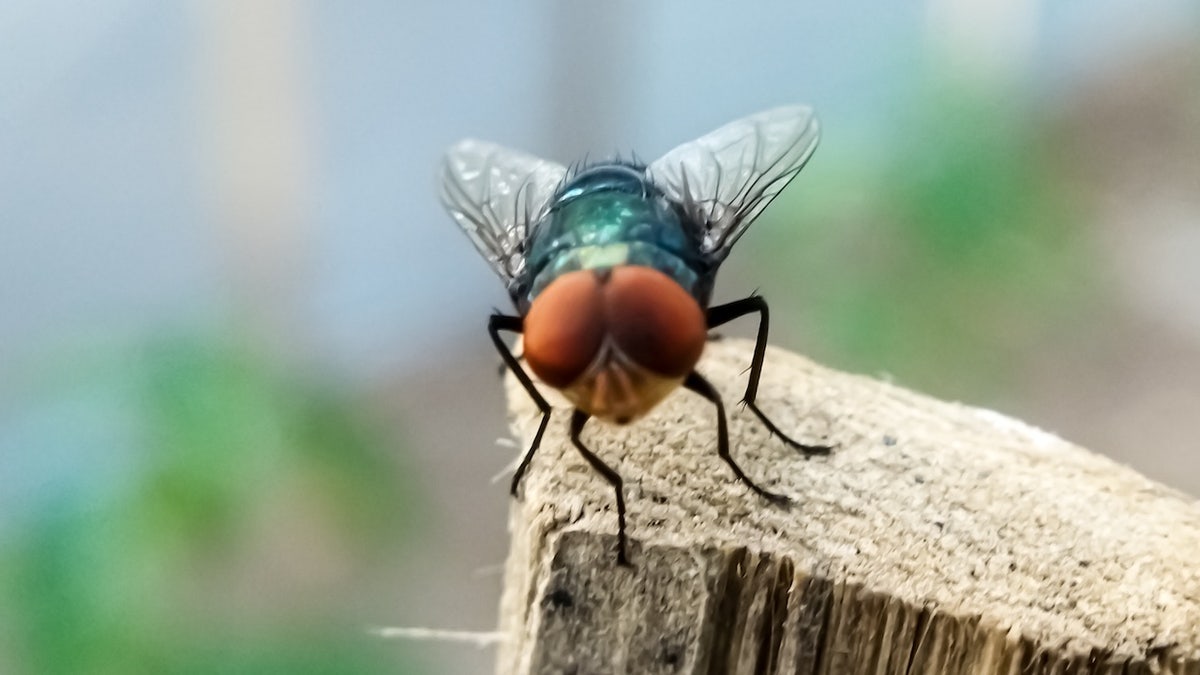
The reappearance of the New World screwworm, a flesh-eating parasite once eradicated from the U.S., has sparked concerns. While this parasite primarily affects animals, it does not pose a threat to the nation’s food supply. Unlike foodborne pathogens like norovirus, E. coli, and salmonella, the screwworm is specifically an animal issue.
Dr. Aaron Glatt from Mount Sinai South Nassau Hospital explained, “The U.S. food supply is not compromised by New World screwworm, which is an animal issue, but not a foodborne pathogen issue.” Screwworm infestations do not lead to contamination of meat, milk, or produce. Standard meat processing and cooking procedures eliminate screwworms.
Return and Spread of Screwworm
Native to South America and the Caribbean, the screwworm advanced northward after a 2023 outbreak in Panama and Costa Rica. In June, a case of screwworm was identified in a calf in Texas, marking the first detection in the U.S. since its eradication in the 1960s, according to the USDA. Since then, 33 screwworm infections have been confirmed in Texas and New Mexico across various animals.
Safety Measures
The USDA ensures that animals used for human consumption undergo thorough inspections both before and after slaughter. This prevents any unsafe meat from entering the food supply. When animals show signs of illness, the USDA’s inspection system labels them “U.S. Suspect” for further examination.
Infected livestock are quarantined until fully healed. Veterinarians treat and disinfect affected animals to control infections.
Transmission and Prevention
Screwworm flies target warm-blooded animals and occasionally humans. They lay eggs in wounds, which hatch into maggots that feed on the host. These maggots eventually become adult flies, perpetuating the cycle. The USDA states that transmission only occurs through wounds, not through meat or dairy products.
Combating the Outbreak
To address the outbreak, the USDA employs the sterile insect technique, releasing sterile males to mate with females, preventing viable offspring. A $21 million renovation in southern Mexico for a screwworm fly production facility and a $750 million “fly factory” in Texas are part of efforts to combat the screwworm’s spread.
Human Infection and Protection
Human infections are rare but have distinct symptoms, including non-healing wounds with pain, redness, and movement sensation. Removing maggots without medical help may worsen the infection. The CDC advises covering open wounds and using insect repellent to avoid infection.
Proper disposal of any maggots is crucial to prevent further infestation. Individuals should seek medical advice for the safe removal of larvae.
Leave a Reply