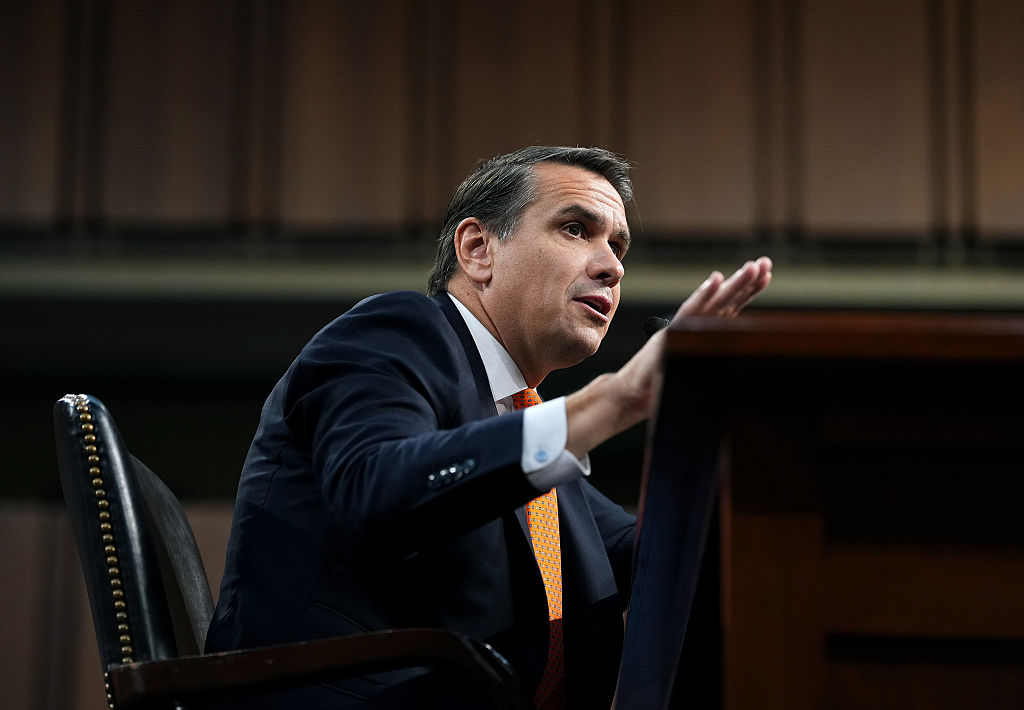
During the second day of testimony, acting Attorney General Todd Blanche’s confirmation process faced new challenges. Senator Thom Tillis, a Republican from North Carolina, announced his intention to block the confirmation until Blanche meets with women who accused Jeffrey Epstein of abuse.
This decision has significant repercussions for Blanche’s nomination. The Senate Judiciary Committee, now holding only a narrow Republican majority, cannot advance Blanche’s nomination without unanimous GOP support. Tillis’s position tightens the already fragile majority.
Senator Tillis Conditions Vote on Meeting Survivors
Senator Tillis stated that he would vote against advancing Blanche’s nomination unless he meets with Epstein survivors. The Republicans hold a slim 11–10 advantage on the committee following Senator Lindsey Graham’s death. Tillis’s requirement effectively halts Blanche’s nomination.
“I’m trying to get to yes, but this is a very important part of getting to yes,” Tillis explained. He urged Blanche to arrange the meeting within two weeks. Senator Dick Durbin, a Democrat from Illinois, supported the demand, insisting Blanche should not receive a vote before meeting with survivors.
DOJ Failures Under Scrutiny
Survivor Dani Bensky addressed the Senate, detailing how the Department of Justice exposed her identity through multiple releases of Epstein files. She criticized Blanche for meeting with Ghislaine Maxwell, Epstein’s associate, while avoiding survivors.
Bensky’s account becomes crucial as Senators weigh Blanche’s permanent appointment. Survivors have outlined how Blanche’s refusal to meet them may affect the nomination process. Her testimony highlighted privacy breaches, with her personal information published unredacted in DOJ documents.
“These documents contain disturbing yet incomplete accounts of my abuse,” she stated. “They were available for everyone to see, including my child, students, friends, employers, and family. It was humiliating.”
Bensky revealed that her name appeared multiple times from December to January, despite efforts to stop disclosures. The DOJ only removed her name in April, counter to Blanche’s previous claim about rectifying issues immediately.
“That is entirely not true,” she told the Senate. “There are hundreds of victims still affected. We face threats, job losses, and a loss of privacy.”
Survivors stood holding childhood photos during the hearing. These visuals reminded attendees how young many were during the alleged abuse. Virginia Giuffre’s family, a victim who died in 2025, submitted a statement opposing Blanche’s nomination.
Meetings with Maxwell Cause Further Anger
Bensky condemned Blanche for engaging in lengthy meetings with Maxwell and never meeting survivors. “He did not even spend nine minutes meeting with a survivor,” she declared. Survivors only learned of Maxwell’s facility transfer through media, not direct communication.
Bensky’s testimony refuted Blanche’s claim that legal prohibitions prevented meetings with represented survivors, contradicting Democratic senators’ understanding.
Accusations of DOJ Obstruction
Bensky accused the DOJ of blocking a New Mexico state investigation. Attorney General Raul Torrez has awaited records related to Epstein’s Zorro Ranch for over 130 days. Bensky named it as obstruction, increasing pressure on Blanche.
Former DOJ pardon attorney Liz Oyer had already criticized Blanche for lying under oath and threatening judges.
Blanche’s Nomination Uncertain
Blanche’s route to confirmation remains unpredictable. Republican Senator John Cornyn is undecided, citing concerns over the Trump administration’s $1.8 billion fund. If Cornyn opposes and Democrats remain united, Blanche’s nomination could stall.
Survivors are pushing for accountability and transparency from leadership. “We deserve to be heard directly, not dismissed and ignored,” Bensky concluded.
This is a developing story.
Leave a Reply