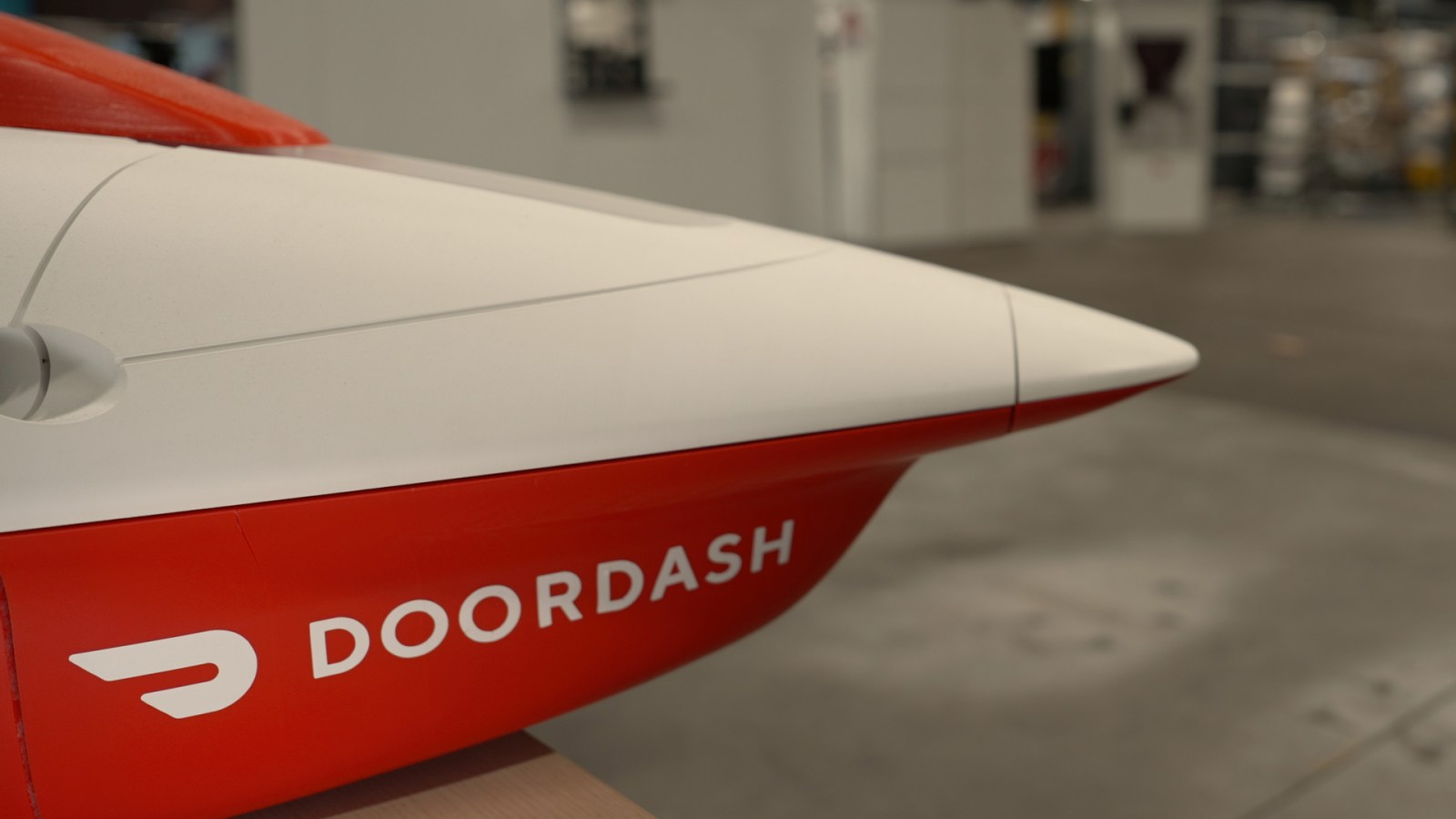
DoorDash is making significant advancements in drone delivery. This shift could transform the skills needed in the food delivery industry. The company recently received Federal Aviation Administration (FAA) Part 135 air carrier certification. This allows DoorDash to launch DoorDash Air, its in-house drone delivery initiative developed by DoorDash Labs.
FAA Approval and Future Operations
Despite receiving certification, DoorDash cannot begin drone deliveries immediately. According to the FAA, while the certificate authorizes daytime drone operations, further steps are needed. DoorDash needs to finalize the review and approval of its aircraft, operations, certification, testing, and validation.
The company hasn’t announced a start date for its drone operations. The additional process involves ensuring safety and operational standards are met, which requires complex oversight.
Potential Workforce Changes
As DoorDash explores drone deliveries, the demand for workers with aviation, robotics, and technical expertise could rise. The company maintains that traditional Dashers will still be crucial. They expect that the number of deliveries made by Dashers, drones, and sidewalk robots will increase in line with delivery demand growth.
DoorDash argues this technological evolution will expand delivery opportunities rather than replace human roles. This shift could create jobs in robotics and autonomy, requiring skills in aircraft operations, maintenance, safety oversight, and compliance.
The company is actively recruiting for these new roles within DoorDash Air. Additionally, their drones are American-designed and built, with most components sourced locally.
The Role of Drones in Delivery
DoorDash’s strategy involves building a logistics ecosystem including aircraft, routing systems, inventory tools, and software. Drones may be used for deliveries traveling between three and five miles, a segment that currently takes longer with human couriers.
However, drones can’t perform all tasks. Complex tasks like navigating apartment complexes, checking IDs, or handling multi-stop orders will still rely on Dashers. Nevertheless, routing select deliveries to drones could enhance efficiency, allowing Dashers to handle shorter, faster routes.
DoorDash assures that Dashers will remain integral to their operations. By focusing on shorter trips, Dashers can manage more orders effectively.
Automation and Industry Trends
DoorDash’s development of drone delivery is part of a larger industry trend towards automation. While some argue technology transforms job demands, others worry it might reduce human roles over time. For DoorDash, the introduction of drones is part of a broader strategy that includes both human and autonomous delivery methods.
Globally, countries like China have progressed in integrating drones into logistics, with companies like Meituan leading the way. As DoorDash prepares to launch its FAA-approved drone operations, it enters a competitive market developed over several years by other international players.
Regulatory approval involves rigorous safety reviews that are not required in app-based deliveries. As such, the skills needed for delivery work may shift towards specialized fields in aviation and robotics.
While DoorDash’s drones aim to complement human couriers initially, the long-term effects on delivery work roles remain to be observed.
Leave a Reply