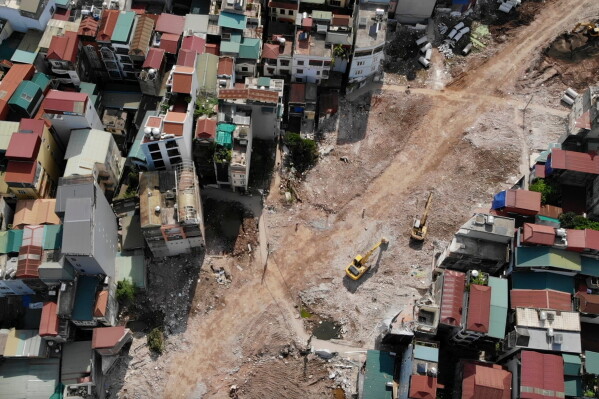
The constant sound of construction fills the air in Hanoi, a city caught in the throes of redevelopment. As Vietnam strives for robust economic growth, its capital is undertaking a comprehensive makeover with a vision that stretches 100 years into the future. In the first half of 2026, Hanoi allocated $2.4 billion to clear land for approximately 1,500 projects. These projects are reshaping one of the oldest capitals in the world.
Authorities emphasize that the city’s regeneration includes vital infrastructure such as flood-control systems and initiatives to reduce air pollution. These changes aim to adapt Hanoi to the extreme weather brought on by climate change. Vietnam frequently faces typhoons, floods, and extreme heat, placing it among the most vulnerable countries globally. The capital is often blanketed in smog, standing as one of the most polluted cities.
While the promise of progress brings hope, it simultaneously displaces homes, businesses, and familiar landmarks. Dust from demolition sites settles on neighborhoods, rooftops, and remaining structures. Nguyen Thi Nhan, whose street front home was demolished for road development, now rents housing without receiving any compensation. ‘We just have to wait. I don’t know where they will relocate us,’ she shared.
The scale of this development is immense. Billboards showcase visions of glistening steel and glass buildings in new business sectors, alongside wide boulevards, parks, and waterfronts. Colonial villas, narrow traditional shophouses, and low-rise, densely packed buildings will be demolished in favor of new roads, bridges, and transit links connecting airports and neighboring areas. A key focus is the $28 billion redevelopment along the Red River, spanning 11,400 hectares or larger than central Paris.
This redevelopment will feature roads, parks, and urban districts, with essential drainage and flood controls to manage frequent inundations. A $35.2 billion Olympic sports complex, backed by Vietnam’s Vingroup, will anchor one of the world’s largest soccer stadiums, built to accommodate 135,000 spectators. Moreover, modern transport infrastructure is pivotal in attracting foreign investment and creating opportunities, according to Nguyen Khac Giang, a visiting fellow at the ISEAS–Yusof Ishak Institute in Singapore.
Despite these advancements, Giang cautions that the construction boom could potentially divert attention from high-tech sectors that Vietnam aims to develop. It may also inflate property prices, which could expose banks to bad loans if the market were to decline. Apartment and land prices have surged, rendering homes unaffordable for many citizens.
As Hanoi undergoes swift transformation, concerns arise about what may be lost. Residents confront the impact of changes on communities and memories. Even minor street alterations can disrupt livelihoods dependent on them. A crackdown on illegal parking, street vendors, and commercial encroachments has forced vendors like Thuy to struggle with diminished profits as sidewalk seating is removed.
In a notable display of dissent, residents along the Red River erected banners pleading with authorities to allow families to remain. Bac Cau community members worry that planned roads will erase their homes and heritage. Compensation and resettlement rules exist but fail to provide clarity or assurances for many affected residents.
Rapid modernization without adequate consultation deeply concerns experts and locals alike, as seen in similar redevelopment cases across Asia. Preservation of Hanoi’s historical heritage, street culture, and livelihoods is crucial, notes Linh Nguyen, lead analyst at Control Risks.
Unlike previous decades focused on outward growth, Hanoi’s current initiatives concentrate on reshaping existing urban spaces, which involves complex logistics around land acquisition, relocation, and coordination among governmental agencies. The real test lies in executing these plans amidst an increasingly centralized state governance.
Leave a Reply