The Metropolitan Water Reclamation District of Greater Chicago (MWRD) is investing significantly in a new water treatment system at the Terrence J. O’Brien Water Reclamation Plant in Skokie. This investment aims to ensure cleaner water and comply with future regulations, benefiting over a million people across 143 square miles.
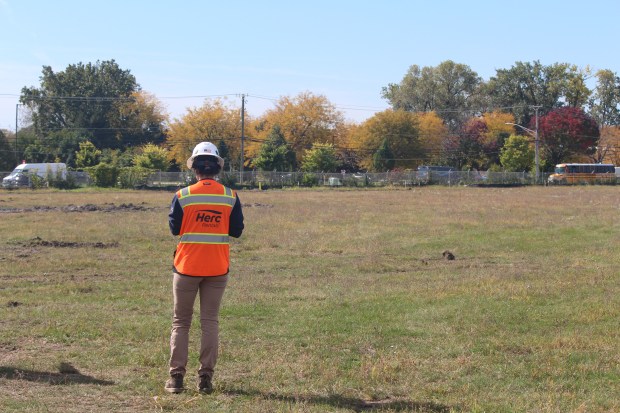
Labeled Battery E, this system is the fifth set of treatment tanks and related infrastructure constructed at the site. The project began on October 8 and represents nearly $400 million, one of the largest investments in MWRD’s 137-year history.
Aruch Poonsapaya, a managing engineer at the plant, explained that the O’Brien Plant, operational since 1928, requires maintenance and upgrades. The primary focus of Battery E is on nutrient removal, particularly phosphorus reduction. Advanced technology will help reduce excessive phosphorus from wastewater and stormwater before it returns to the North Shore Channel of the Chicago River system. This reduction is crucial as high phosphorus levels can lead to harmful algae blooms and lower oxygen levels, damaging aquatic life.
Phosphorus is essential to life, but too much can harm aquatic ecosystems.
MWRD Board of Commissioners President Kari K. Steele highlighted the broader impact on water quality, affecting waterways downstream all the way to the Mississippi River. Steele emphasized the interconnectedness of water systems.
The plant serves about 5.19 million residents, handling wastewater through a mechanical process called primary treatment to remove 60-70% of contaminants. Battery E will enhance the secondary treatment process, achieving 97-99% cleanliness in the water. While not drinkable, this treated water is safe for human contact.
Future phosphorus discharge limits, coming into effect in 2027 and 2030, will be met with the help of Battery E. Environmental standards are becoming more stringent, and infrastructure must evolve accordingly, Steele noted.
Skokie Mayor Ann Tennes expressed that the groundbreaking is vital for maintaining safe water quality and preparing infrastructure for the future. Skokie collaborates with MWRD on sustainability efforts, aiming to reduce water usage significantly by 2030.
Battery E’s construction, expected to take about four years, will likely employ hundreds of tradespeople. Tennes remarked that while wastewater infrastructure might not be glamorous, it is indispensable.
Leave a Reply