The U.S. Supreme Court recently restricted the use of geofence warrants in accessing location data. As a former Chicago police officer, I know I would have supported using such warrants. This ruling is only the start of an ongoing discussion.
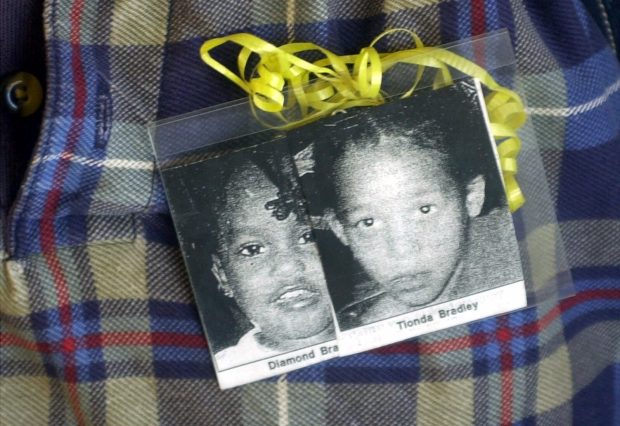
Reflecting on a case from July 6, 2001, two young sisters, Tionda and Diamond Bradley, disappeared from their home in Chicago. While I was on the North Side, the entire police force was invested in the search. Back then, I wished for technology like drones, especially after the 2022 mass shooting at Highland Park’s Independence Day parade, when drones were legally out of reach. The law has since evolved.
Now, we face a similar question with geofence warrants. The Supreme Court reviewed a case involving a credit union robbery in Virginia, identified through smartphone location data obtained with a geofence warrant. This type of warrant designates a geographic area for a set period to identify devices present, allowing the government to access identities provided by tech companies.
“Before we condemn geofence warrants as a new threat to freedom, we must acknowledge the existence of investigative dragnets,” the author notes.
Investigations often include gathering ticket records, surveillance footage, and parking data at crime scenes. This is routine police work, but with geofence warrants, the scope becomes broader. They provide insight into an individual’s life patterns, including places visited and associations made, which raises significant privacy concerns.
The focus should be on setting meaningful constraints rather than banning these tools. Courts, such as in Carpenter v. United States, have ruled that extensive location tracking violates privacy. However, court decisions only set constitutional minimums and do not form a comprehensive operational framework.
In 2023, Google updated its data storage policies, complicating compliance with geofence warrants. Without action from Congress, future investigative tech will pose the same challenges. The solution lies in confining geofence warrants to narrow areas and serious crimes, with judicial oversight and protection against misuse.
“We have seen this pattern before,” the author reflects, citing the journey of drones, license plate readers, and facial recognition technology.
Each innovation initially faced resistance, yet over time, their usage expanded. The challenge is not whether current investigators will misuse these tools, but whether future frameworks will withstand abuse.
Though the Constitution doesn’t provide exceptions for compelling cases, it doesn’t mean geofence warrants should never be used. They require strict guidelines: limited geography, applied only to serious crimes, with judicial oversight and data retention policies.
Strong guardrails are crucial. Constitutional dilemmas arise under pressing circumstances. We must ensure that innovations in technology continue to uphold justice and freedom beyond our immediate crises.
Louis Martinez is a retired Chicago Police Department officer, a criminal justice professor, and author of “The Violent Brain: A Study in Neurocriminology.”
Leave a Reply