The NCAA has sought help from Congress for years, trying to control the turmoil in college sports. A significant part of this chaos revolves around lawsuits challenging athlete eligibility. These lawsuits seem to crop up daily, with athletes trying to secure an extra year of competition. The NCAA’s efforts to have Congress pass the ‘Protect College Sports Act’ aim to give the organization more legal protection from these lawsuits. However, they might have avoided some of this chaos by addressing the latest wave of legal challenges themselves.
When the NCAA introduced a new age-based eligibility model, allowing athletes five years to play five seasons, it made a crucial decision that courts are debating daily: the 2022 recruiting class was excluded from this new rule. This decision unleashed legal battles across the country, while senators work to advance the ‘Protect College Sports Act.’
Athletes excluded from the benefits of the new eligibility structure began filing lawsuits, arguing for the same treatment as those under the new rules. If the NCAA had implemented this rule a year earlier or included the 2022 class, college sports might not face the current legal issues, which are causing lawyers to receive countless calls.
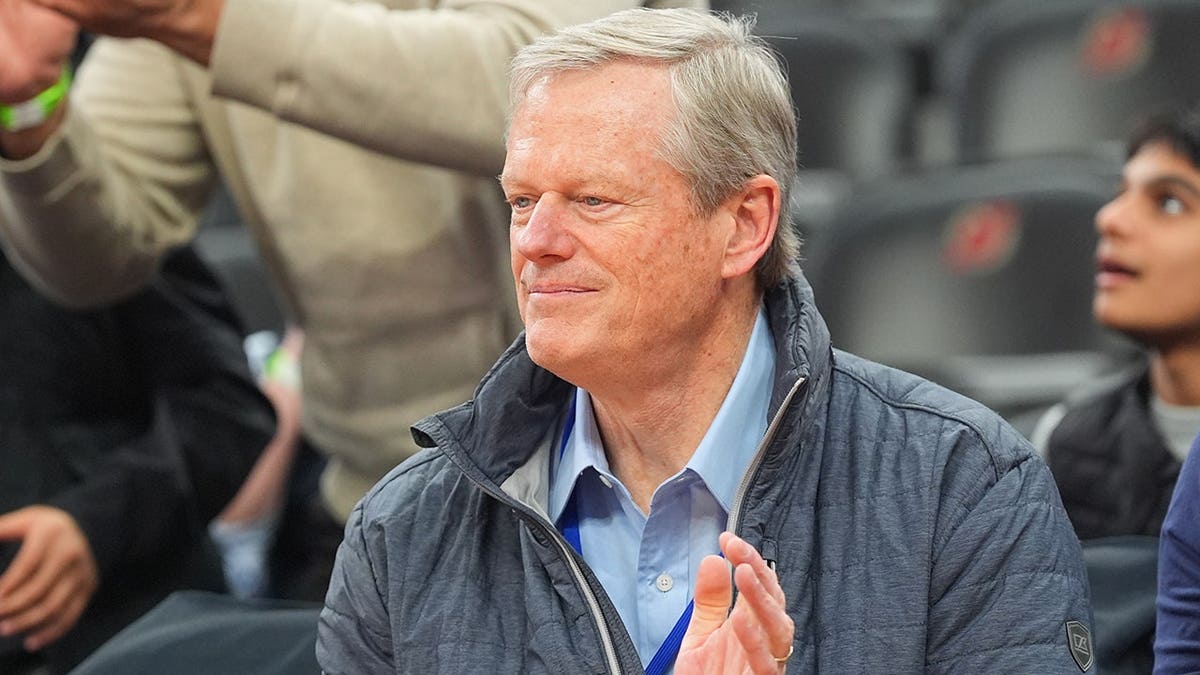
NCAA President Charlie Baker attends the game between the Seton Hall Pirates and Providence Friars on February 11, 2026, at Prudential Center in Newark, New Jersey. (Rich Graessle / Icon Sportswire via Getty Images)
One significant issue is the mismatch between the number of eligible athletes and available roster spots. As football teams prepare for the 2026 season, athletes with newfound eligibility face limited opportunities. In basketball, teams left open roster spots for such unexpected situations, making it slightly easier to manage.
The NCAA anticipated this chaotic situation and is now struggling to manage it. Attorneys like Ryan Downton had warned the NCAA of this possibility. When former Vanderbilt linebacker Langston Patterson sued over athlete participation years, Downton suggested expanding eligibility. Still, the NCAA refused. Now, Downton criticizes the NCAA for adopting a similar rule but excluding the athletes who pushed for the change.
Langston Patterson #10 of the Vanderbilt Commodores sacks Bryson Barnes #16 of the Utah State Aggies during the first half at FirstBank Stadium in Nashville, Tenn., on Sept. 27, 2025. (Getty Images)
The public relations challenges for the NCAA this summer have been substantial. They must continue fighting these lawsuits or risk issuing a blanket waiver that would grant thousands of athletes an extra year with no place to play. The NCAA seems committed to this long legal process.
Amid constant pleas for Congress to legislate antitrust protection, the NCAA’s internal issues worsen. If they had included the 2022 class in the eligibility changes, they might have avoided constant legal battles and extensive legal expenses.
Plaintiff attorney Ryan Downton highlighted the inconsistencies, suggesting that passing the ‘Protect College Sports Act’ would make many athletes eligible immediately, bypassing current legal hurdles. Downton also criticized the NCAA for not stepping aside to allow fair competition.
Indiana Hoosiers defensive lineman Stephen Daley (8) during a college football game between the Illinois Fighting Illini and Indiana Hoosiers on Sept. 20, 2025, at Memorial Stadium in Bloomington, Ind. (Icon Sportswire via Getty Images)
In legal proceedings, such as the Colorado court ruling, athletes were granted a blanket waiver to compete if they had remaining eligibility, further fueling legal tensions. Certain states allowed plaintiffs to utilize the transfer portal. However, the Colorado plaintiffs did not receive this portal benefit.
Legal expert Sam Ehrlich noted that judges often find the NCAA’s approach unfair, especially when it leads to unequal competition opportunities. Ehrlich believes this perceived unfairness drives many legal conclusions.
The NCAA’s decision not to grant blanket waivers suggests an admission of fault, risking thousands of athletes gaining eligibility without teams. Despite the financial and resource challenges, the NCAA continues litigating these cases across the country.
Recent developments, like Indiana’s announcement regarding Stephen Daley’s eligibility, highlight ongoing conflicts. If the NCAA appeals successfully, injunctions may lift, reverting rules and affecting athlete eligibility again.
Whether they spent resources or not, the NCAA’s legal battles indicate no resolution soon. Even if Congress passes the ‘Protect College Sports Act,’ it might not be enough to shield the NCAA from future court appearances.
Leave a Reply