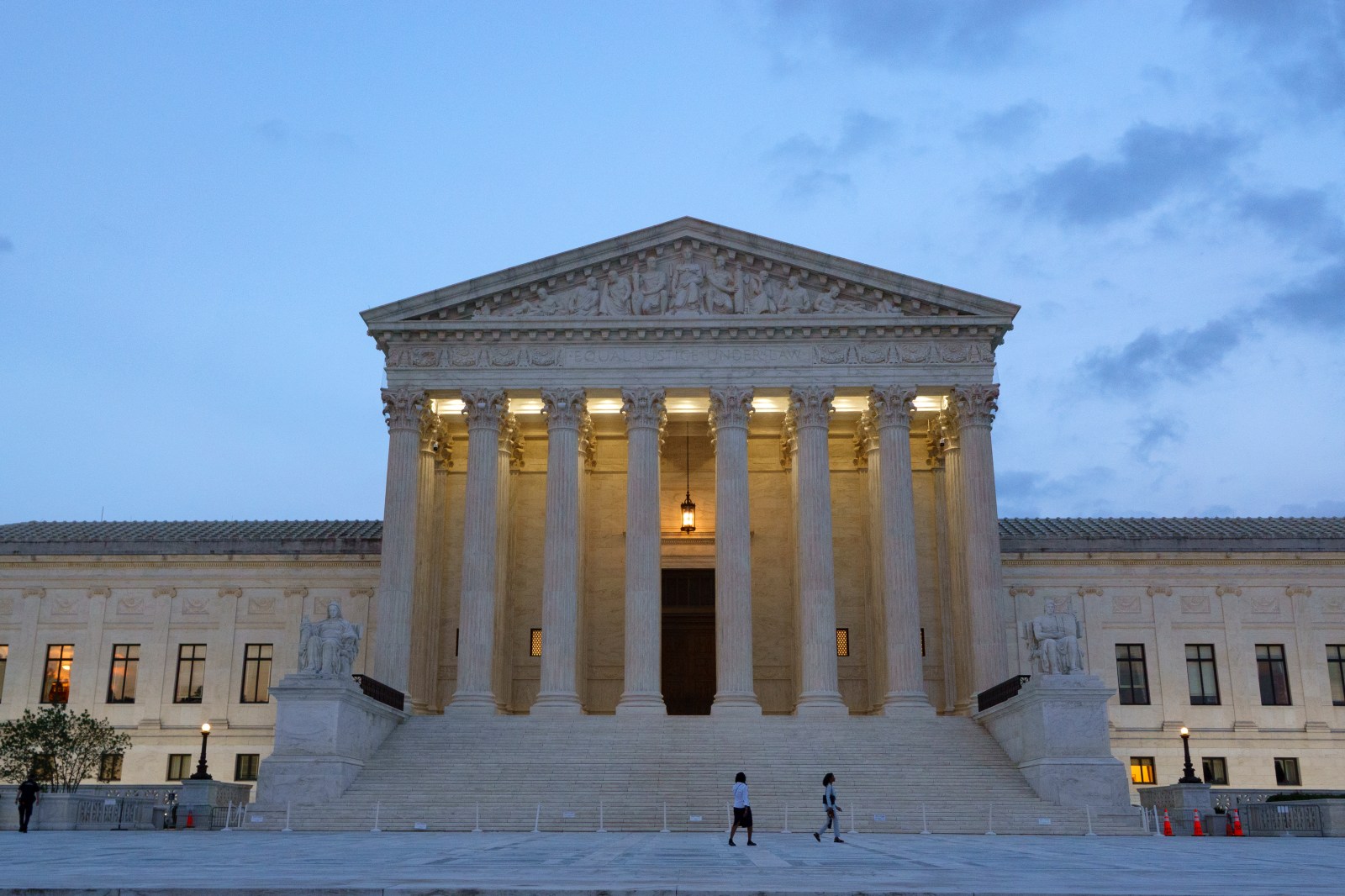
Weeks have passed since the Supreme Court dismissed President Donald Trump’s attempt to modify birthright citizenship through executive action. Despite the setback, conservative activists are focusing on a strategic approach related to judges who might revisit this issue in the future.
Conservative Discussions on Future Judicial Influence
In late July, a meeting in Washington brought together conservative lawyers, immigration participants, and former Trump administration members. They explored ways to keep the birthright citizenship conversation active, especially after the Supreme Court’s June ruling. According to Politico, some participants supported making birthright citizenship views a factor in assessing future judicial candidates.
Supreme Court’s Ruling
The Supreme Court ruled 6-3 in Trump v. Barbara, affirming that children born in the U.S. to parents unlawfully or temporarily present are citizens at birth, according to the 14th Amendment. Trump allies argue the decision reflects a broad interpretation and advocate for continued challenges. Justices Clarence Thomas and Samuel Alito dissented, with Thomas questioning the longevity of the court’s interpretation. This dissent invigorates conservatives eager for continued engagement on the issue.
New Executive Orders and Judicial Focus
The White House has introduced new executive orders addressing birth tourism and other narrow aspects, arguing these fall outside traditional birthright protections. These actions are anticipated to face legal scrutiny, showcasing the administration’s ongoing engagement with the issue.
Judges Becoming Key Focus
During the Washington gathering, Mike Davis, founder of the Article III Project, emphasized the importance of shaping the judiciary. He suggested appointing judges open to challenging current interpretations of birthright citizenship. Discussions also included legal scholarship, conferences, legislation, and prospective litigation. However, the focus on judicial nominees highlights the judiciary as a pivotal arena.
A Historical Perspective
The concept of evaluating judges based on a constitutional issue isn’t new. Historically, conservatives assessed judicial nominees’ standpoints on abortion post-Roe v. Wade. This focus included constitutional interpretation and judicial restraint, preceding the 2022 overturn of Roe. Similarly, gun rights and religious liberty have been focal points in assessing nominees.
Comparative Strategy
Some activists liken the birthright citizenship discussion to the lengthy campaign against Roe v. Wade. Davis of the Article III Project declared the ruling has transformed birthright citizenship into a long-term concern equivalent to Roe. This perspective underscores a strategy that goes beyond litigation, involving a multi-faceted approach encompassing legal education and public advocacy.
Potential for Future Impact
Despite the Supreme Court ruling against Trump, proponents of stricter birthright citizenship interpretations believe the issue reached mainstream debate. John Eastman, who has long advocated for a narrow interpretation, considers the Supreme Court’s involvement a milestone. He asserts that broader public discourse and legislative engagement mark progress.
Looking Forward
The Supreme Court’s decision currently stands, granting citizenship to U.S.-born children based on the 14th Amendment. New executive actions by Trump are poised for legal challenges. Conservative activists, however, are focusing on a broader vision that includes shaping legal perspectives and judicial roles, potentially influencing future court interpretations of birthright citizenship.
Leave a Reply