Two months before the tragic incident in 2023, Lindsay Clancy communicated concerning thoughts to her caregiver. She expressed having “intrusive thoughts I never had before” and feeling “completely hopeless.” Clancy worried about becoming addicted to some medications.
Evidence from Psychiatric Treatment
Rebecca Jollotta, a psychiatric nurse practitioner at South Shore Health, testified at the trial. She regularly exchanged messages with Clancy in late 2022. Their discussions often focused on Clancy’s trouble with sleep, depressive symptoms, and her search for effective medication.
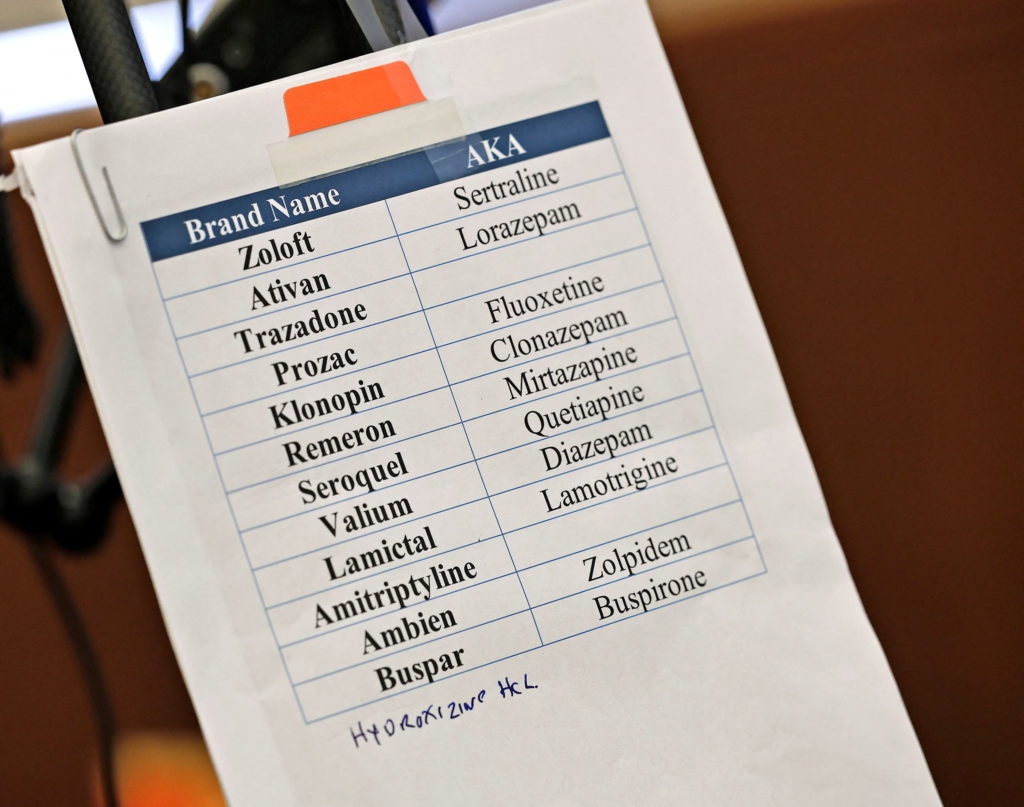
Clancy frequently mentioned altering her medication dosage due to intolerable side effects or a desire to switch prescriptions. She worried about addiction to medications like Ativan, though Jollotta assured her this was not the case.
Medication and Symptoms
Clancy expressed dissatisfaction with Remeron, an antidepressant used to treat depression, anxiety, and insomnia. She reported new intrusive thoughts since taking the drug. Jollotta explained that such thoughts are common for people with postpartum depression and anxiety, advising Clancy to give the medication more time.
Throughout Clancy’s treatment, Jollotta suggested various solutions, including different medications, therapy, support groups, and meditation. Clancy’s autonomy in deciding whether to follow recommendations was emphasized.
Even though Clancy reported suicidal thoughts, she refrained from discussing plans to harm herself or her children. Jollotta speculated on possible underlying bipolar disorder, denied by Clancy’s husband, Patrick.
Medical Recommendations and Hospitalizations
In mid-December, a conversation highlighted her struggle with persistent suicidal thoughts. Jollotta recommended advanced care options. Clancy selected a postpartum program in Rhode Island but was soon discharged. Jollotta expressed concern over her discharge and suggested she could benefit from additional support.
Clancy was advised to stop an antipsychotic medication, but Jollotta cautioned this could worsen her symptoms. Despite this, Clancy chose to reduce the dosage.
Questions During Cross-examination
Clancy’s attorney, Kevin Reddington, questioned Jollotta’s knowledge of Clancy’s treatment by other providers. Jollotta admitted she had not communicated with Clancy’s psychiatrist, Dr. Jennifer Tufts, nor accessed her records. Reddington pointed out Clancy saw Dr. Tufts more frequently than Jollotta assumed.
Similarly, Jollotta had no contact with the Rhode Island hospital. She acknowledged it would have been important to learn about the patient’s treatment and diagnosis.
The Legal Case
Clancy, 36, has pleaded not guilty to murdering her three children in their Massachusetts home. They were found in their basement, while Clancy lay paralyzed outside after jumping from a window.
Prosecutors describe Clancy as an intentional killer. They argue she orchestrated the murders. Her lawyers counter she was not criminally responsible due to mental illness, claiming she heard voices compelling her actions.
According to the defense, Clancy suffered from bipolar disorder and postpartum psychosis, dramatically affecting her reality. A forensic psychiatrist diagnosed her with these conditions post-incident.
Support for Journalism
A free press is vital to a healthy democracy. Support trusted journalism and civil dialogue to ensure informed societies.
Leave a Reply