The United States holds its military and the individuals who serve in high regard. Politicians often express gratitude to the troops, sports events honor them, and airports give uniformed personnel boarding privileges. At the same time, America cherishes the idea of being a land of opportunity where personal effort can lead to success. These two ideals intertwine, offering many non-American citizens the chance to enter a unique brotherhood where personal background matters less than the willingness to serve.
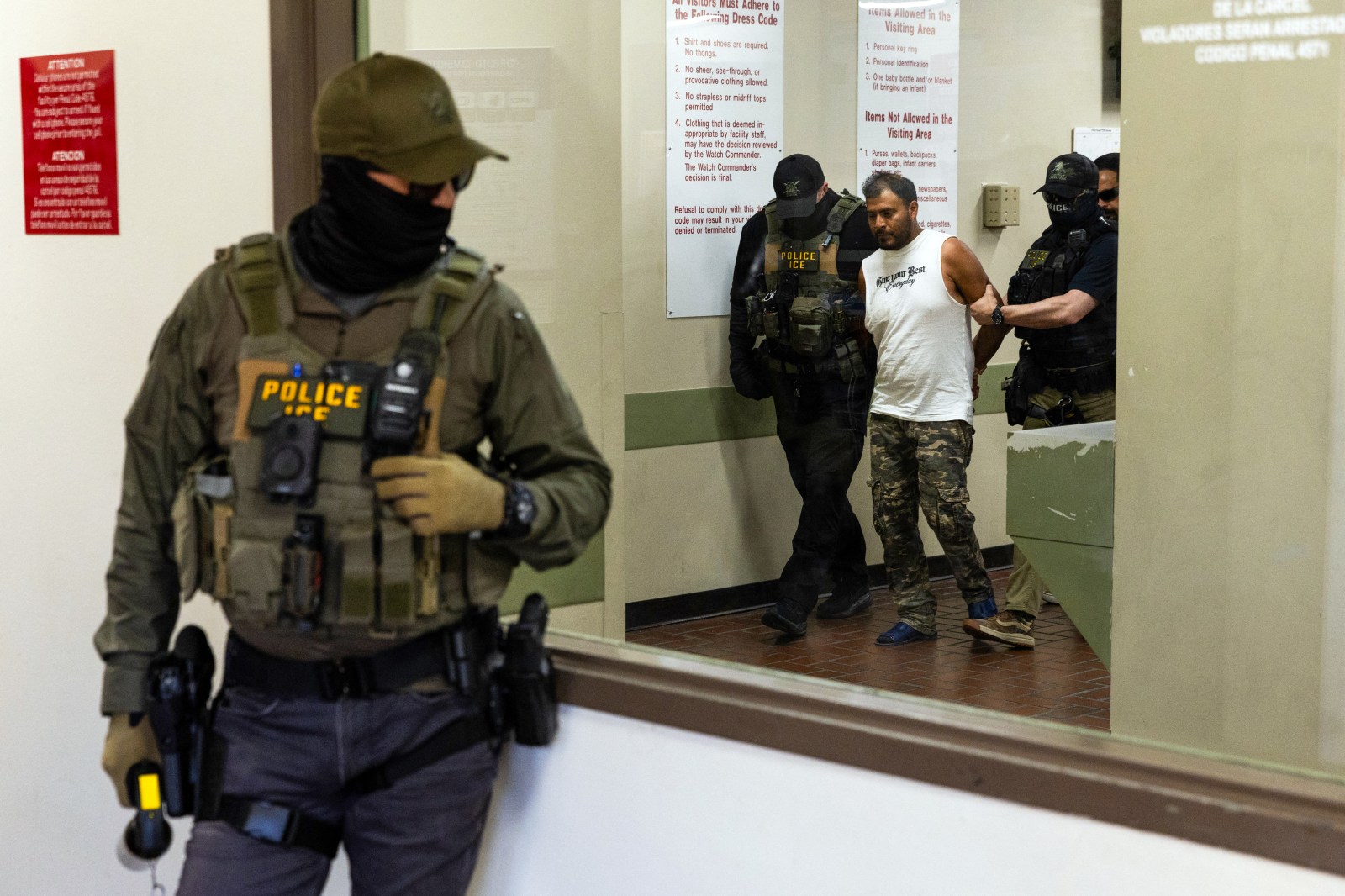
For noncitizens, wearing the military uniform often signifies acceptance and integration into the national story. However, recent actions by immigration authorities challenge this narrative. Senator Elizabeth Warren and over 60 congressional Democrats are seeking answers from the Trump administration regarding the deportation of noncitizen veterans and the arrests of active service members.
Deportation Concerns
The lawmakers, led by Senator Warren, issued a letter on August 9 to multiple government departments, including Defense and Homeland Security, demanding explanations for reports of current and former service members facing detention and deportation. Data revealed that ICE arrested 125 former Armed Forces members between January 2025 and January 2026. Of these, 73 were detained and 34 entered removal proceedings. Additionally, ICE’s statistics indicate 16 active service members have been detained for immigration offenses since October.
This treatment seems to contradict long-standing American traditions. Since the Civil War, laws have simplified the path to naturalization for honorably discharged immigrant soldiers. This practice has allowed over 800,000 individuals to obtain citizenship through military service since World War I. Citizenship and Immigration Services records show that around 187,000 of these naturalizations occurred post-9/11, with more than 50,000 under the Biden administration.
The Legal Framework
Despite these provisions, military service alone does not guarantee citizenship for noncitizen soldiers. The U.S. Immigration and Nationality Act allows noncitizens in active duty during hostilities to apply for naturalization after a single day of service, without usual residence requirements. However, legal constraints still apply, including those related to criminal convictions.
Between January 2025 and January 2026, 46 of the 125 former service members arrested by ICE had criminal warrants. Immigration law also delineates that family members of service personnel do not automatically receive legal status. Past administrations also deported veterans, with a Government Accountability Office report identifying 250 veterans in removal proceedings between 2013 and 2018.
The Ideals in Question
The increasing detentions under Trump’s presidency question the balance between legal adherence and moral obligations. While laws must be respected, a nation’s moral fabric is equally crucial. Days before Warren’s letter, Trump established the President’s Military Spouse Commission to address military family concerns, emphasizing their importance to military effectiveness.
Yet, at the same time, 113 family members of veterans received deportation notices. Immigration law even includes a provision for posthumous citizenship for those who die serving honorably. Elizabeth Warren and her colleagues await a government response to their letter, raising questions about the fate of approximately 50,000 noncitizen military members and about 125,000 veterans living in the U.S.
Leave a Reply