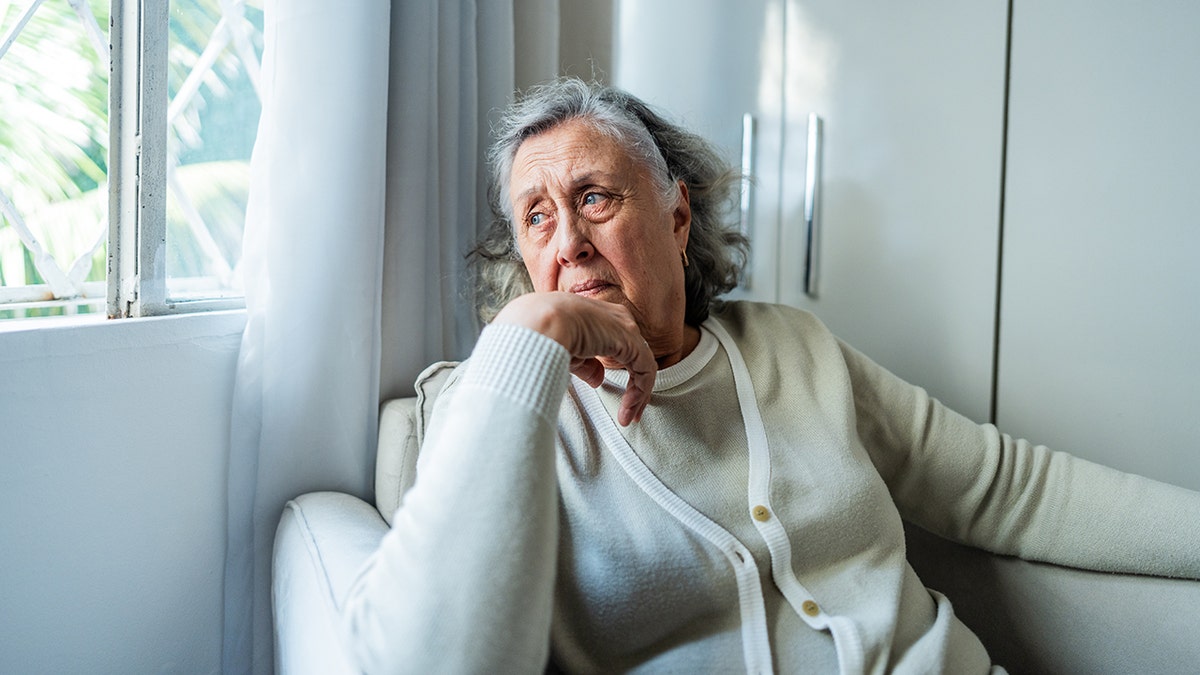
A recent study involving over 135,000 adults uncovered a surprising trend in urban loneliness. Conducted by professors at Imperial College London, the research showed that many individuals residing in urban areas like London, Birmingham, and Manchester reported feeling lonely. This increase was further intensified by the COVID pandemic.
The study, known as INTERACT, found that almost one in six adults often experienced loneliness, while more than one in five frequently felt left out or isolated. These findings offer insight into the ‘urban paradox’ where urban dwellers, despite access to economic, cultural, and social advantages, report lower life satisfaction compared to rural counterparts. Public health researcher and study lead Austen El-Osta, Ph.D., emphasized that loneliness is strongly shaped by environment and social networks.
The research highlighted the pandemic’s significant impact on loneliness, with nearly 44% of respondents acknowledging increased loneliness, and 48.2% feeling more isolated.
Dr. Azeem Majeed from the National Health Service observed that loneliness negatively impacts both mental and physical health, often leading to heightened anxiety, depression, and increased GP visits. He advocates for strengthening community ties to combat loneliness and enhance well-being.
The study also noted that relationship status—whether single or partnered—had minimal influence on loneliness levels. Researchers discovered that 45% of participants were married or in civil partnerships, while about 20% were single.
Although the study provides valuable insights, it cannot estimate the loneliness epidemic’s scale at a population level. Limitations include overrepresentation of educated individuals and underrepresentation of minorities, as well as self-selection bias inherent in online surveys.
Additionally, a related study involving over 10,000 adults across 12 European countries suggested that loneliness affects memory but not necessarily cognitive decline. Researchers recommend incorporating loneliness screening in cognitive assessments to encourage healthy aging.
This comprehensive research emphasizes loneliness as a pressing public health issue that transcends private experiences, urging a holistic community-based response to foster connection and support.
Leave a Reply