Fourteen years after the first Avengers film hit theaters, superhero narratives are increasingly perceived as monotonous. The predictable nature of their immense power and invulnerability, combined with their ability to traverse multiverses, seem disconnected from current global issues. Do these fantastical elements truly resonate with audiences facing real-world challenges?
In today’s world, where political turmoil abounds, relying on a fictional savior like Superman feels inadequate. The polarizing battles within the federal government, societal conflicts, and ethical lapses surpass even the most villainous plots concocted by superheroes’ foes. Fictional narratives involve heroes combating alien invasions while leaving destruction in their wake, outcomes that feel trivial compared to contemporary issues.
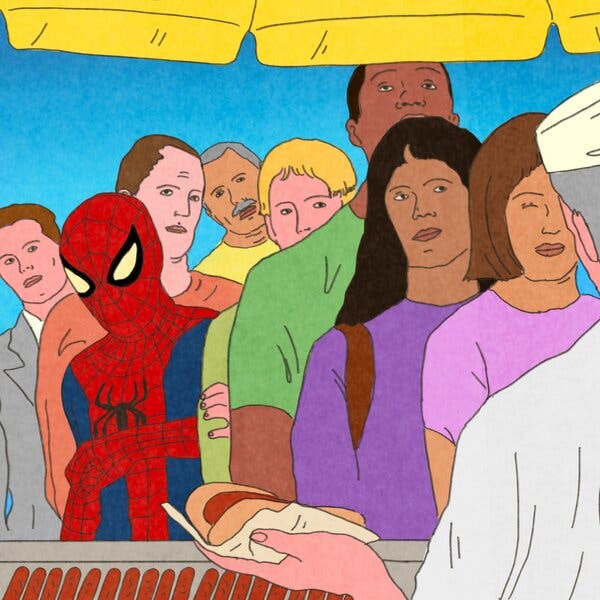
At this moment, Peter Parker, a.k.a. Spider-Man, emerges as the superhero audiences connect with. Spider-Man: Brand New Day premiered in nearly 4,500 theaters two weekends ago, showcasing Parker’s balance of supernatural, romantic, and psychological challenges. This film shattered opening-week box office records with $500 million in domestic receipts and may soon achieve a global total of $2 billion. These figures indicate that viewers find Spider-Man’s story relevant in today’s climate.
Unlike other Marvel heroes, Spider-Man isn’t unstoppable. His abilities include wall-crawling, web-slinging, and a sharp sense of danger. But he can’t fly, limiting his mobility to urban landscapes like New York City. In rural settings, he loses his agility. His mortality is evident in the latest film, where he sustains a gunshot wound requiring hospitalization.
Parker’s character lacks the extravagance associated with many superheroes. His makeshift workshop is an attic where he crafts his gear, instead of a high-tech lair filled with gadgets. Even his physical stature, though toned, retains a vulnerability evident in a scene where he nervously exposes himself in a Russian bath beside Black Widow.
Spider-Man’s journey from concept to cultural icon was precarious. In the early 1960s, Stan Lee faced resistance when proposing Spider-Man to his publisher, who dismissed the idea due to associations with spiders and perceptions of teenage protagonists as unsuitable heroes. Despite this, Lee persisted, eventually publishing Spider-Man’s debut in a discontinued comic’s final issue in 1962. The character caught readers’ imagination, becoming a staple in the superhero genre.
Leave a Reply