The U.S. has long been a leader in biotechnology, but this dominance is being challenged. China now leads in clinical drug trials and has increased its role in global drug development. This shift impacts more than the biotech industry; it affects economic competitiveness, national security, and public health. However, the U.S. still has the potential to lead in regenerative medicine. This field includes technologies like engineered tissues, biomaterials, and gene editing to repair or replace damaged cells and organs.
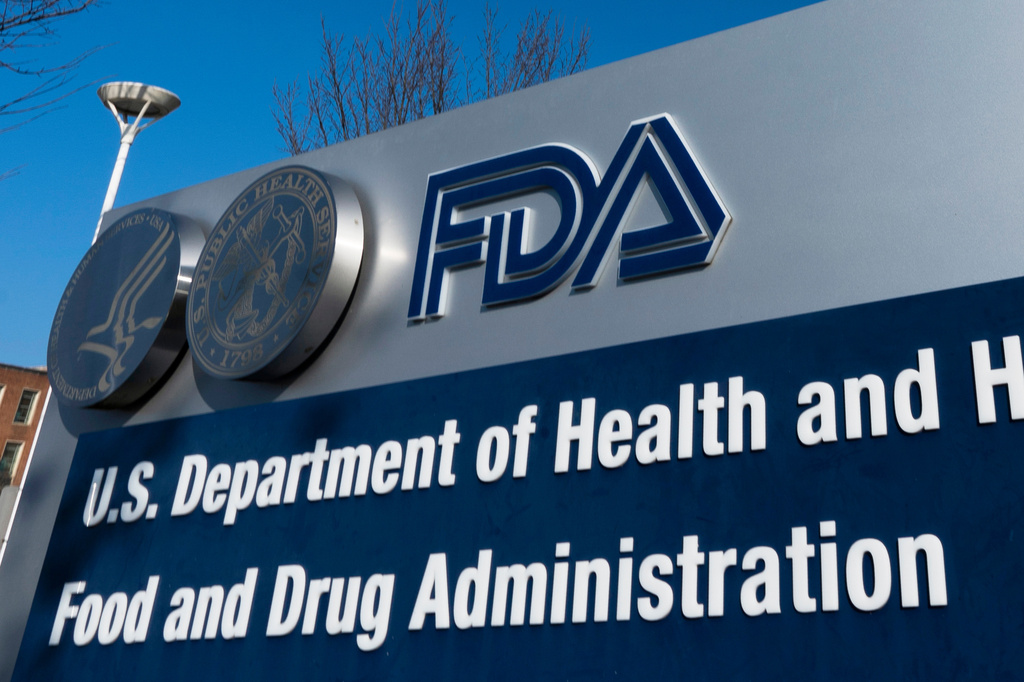
The American market for regenerative treatments could reach $90 billion by 2030. To stay competitive, the U.S. needs a supportive policy environment. This involves a regulatory system that is both timely and certain, enabling American companies to compete globally. Delays in regulatory decisions can hinder growth, as seen with Regenative Labs in Florida. This company, developing products from human birth tissue, has been waiting for FDA approvals essential for international sales.
Regulatory delays prevent Regenative Labs from reaching foreign markets, disadvantaging the company relative to unrestricted foreign competitors. Despite the easy option to relocate, the company aims to stay in Florida. Bureaucratic delays hinder its growth and workforce expansion, not due to product demand but due to unfulfilled regulatory responsibilities. This scenario illustrates the broader issue of regulatory impediments in biotech growth and innovation in the U.S.
The biotech industry is crucial to the 21st-century economy. Nations leading in this field will shape the future. The U.S. must ensure new innovations remain domestically developed and produced. Without proactive measures, American leadership in medical innovation is at risk. Bureaucratic inefficiencies can cost strategic advantages established over decades. American biotech innovations do more than benefit markets; they improve healthcare for military personnel and families abroad.
The push for better health is not just about discovering new treatments but also ensuring innovations reach those in need. A clear and timely regulatory system is critical to sustaining U.S. biotech leadership. Ensuring transparency and swift agency actions will advance healthcare and maintain America’s edge in biotechnology.
David Mansdoerfer, previously Deputy Assistant Secretary for Health, now teaches health policy and politics at Pepperdine University School of Public Policy.
Leave a Reply