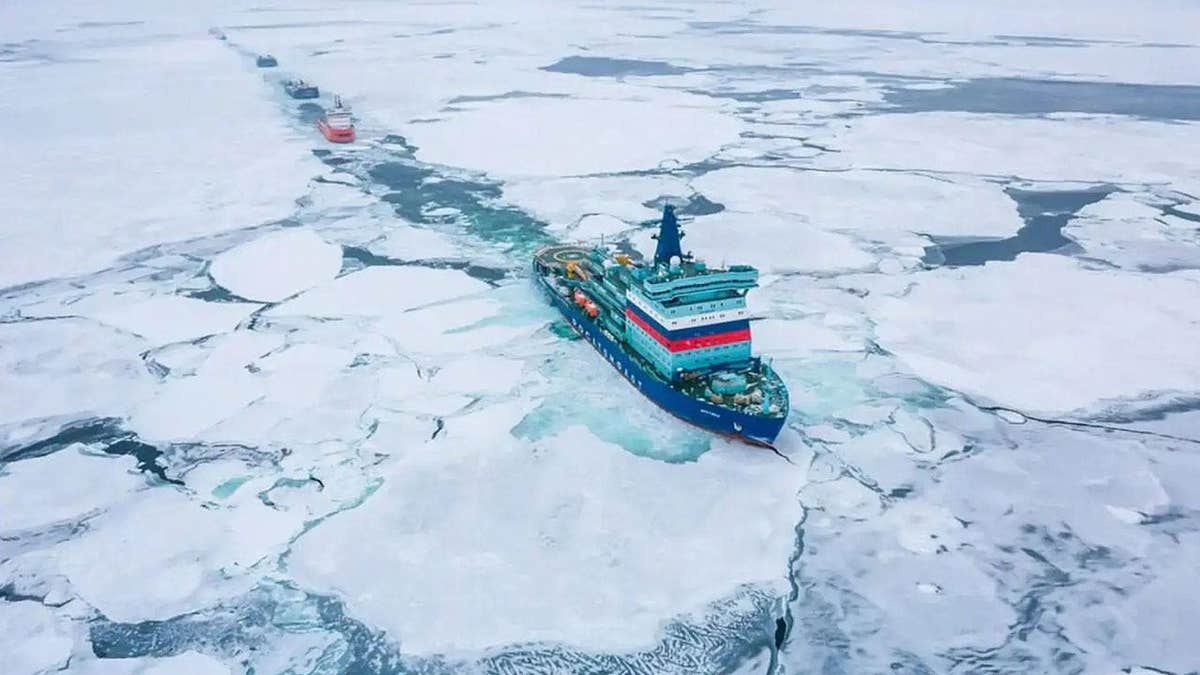
China is exploring the potential of the Arctic as a new strategic trade corridor. Beijing has started regular seasonal container service to Europe via Russia’s Arctic, highlighting the deepening commercial and military ties with Moscow. The United States is increasingly viewing this region as critical to its security interests.
The current service is limited, with only eight voyages planned this season. However, analysts emphasize its significance beyond the current scale. China is strategically pushing into the Arctic as the ice melts, making the Northern Sea Route viable during the summer months.
“China has a major strategic push on the Arctic for various reasons.” – Gordon Chang
Sea Legend Shipping’s Dubai Tower left the Ningbo-Zhoushan Port on August 15, heading for Europe via the Northern Sea Route. The trip to Felixstowe, England, is set to take approximately 20 days.
This move coincides with a new U.S. congressional report warning that Russia’s isolation and dependence on China increase China’s leverage over the Arctic. The report suggests that Washington needs to strengthen its presence in the region. The White House has stated the Arctic is vital for U.S. security and economic interests.
The U.S.-China Economic and Security Review Commission’s fact sheet explains that Russia’s invasion of Ukraine and subsequent isolation from the West have led to increased Chinese presence in the Arctic. China now holds a 20% stake in the Arctic LNG 2 project and is developing year-round shipping along the Northern Sea Route with Russia.
The Pentagon’s Arctic Strategy for 2024 recognizes that climate change is increasing accessibility in the region. It warns that China’s proposed “Polar Silk Road” could alter the Arctic’s stability and threat environment.
The Northern Sea Route offers a new path for China-Europe trade, avoiding traditional choke points like the Suez Canal and the Strait of Malacca. The new report discusses China’s growing asymmetrical relationship with Russia since the Ukraine invasion, highlighting China’s leverage in energy and military technology trades.
Energy trade is significant, with China buying about half of Russia’s crude oil exports while Russian oil makes up only one-fifth of China’s imports. Since the Ukraine invasion, China has purchased approximately $372 billion in Russian fossil fuels.
Russia is also increasingly using the Arctic passage to send oil east. As of August 11, Russia had sent seven shipments totaling about 6 million barrels toward Asia through these routes, with China being the main recipient.
Washington is becoming more concerned about Chinese and Russian activities near Alaska. The Bering Strait, an essential route separating Russia from Alaska, presents a strategic point that the U.S. acknowledges.
China and Russia’s military relationship is growing, with 119 joint exercises conducted as of April 2026. Their joint operations, including naval drills, are expanding U.S. strategic concerns.
Analysts argue that whether the Northern Sea Route becomes a competitor to the Suez Canal or not, the U.S. must respond to the Chinese and Russian presence in the Arctic. Strengthening U.S. Arctic strategy is necessary due to current geopolitical dynamics.
Leave a Reply