A decade ago, JD Vance’s memoir “Hillbilly Elegy” emphasized his regret that his grandparents never met his wife, Usha Vance. Vance expressed this sentiment in the 2016 acknowledgments of his book, highlighting the joy Usha brings to his life. Recently, this passage resurfaced on social media as conservatives criticized Michigan’s Democratic Senate candidate Abdul El-Sayed for remarks about Usha.
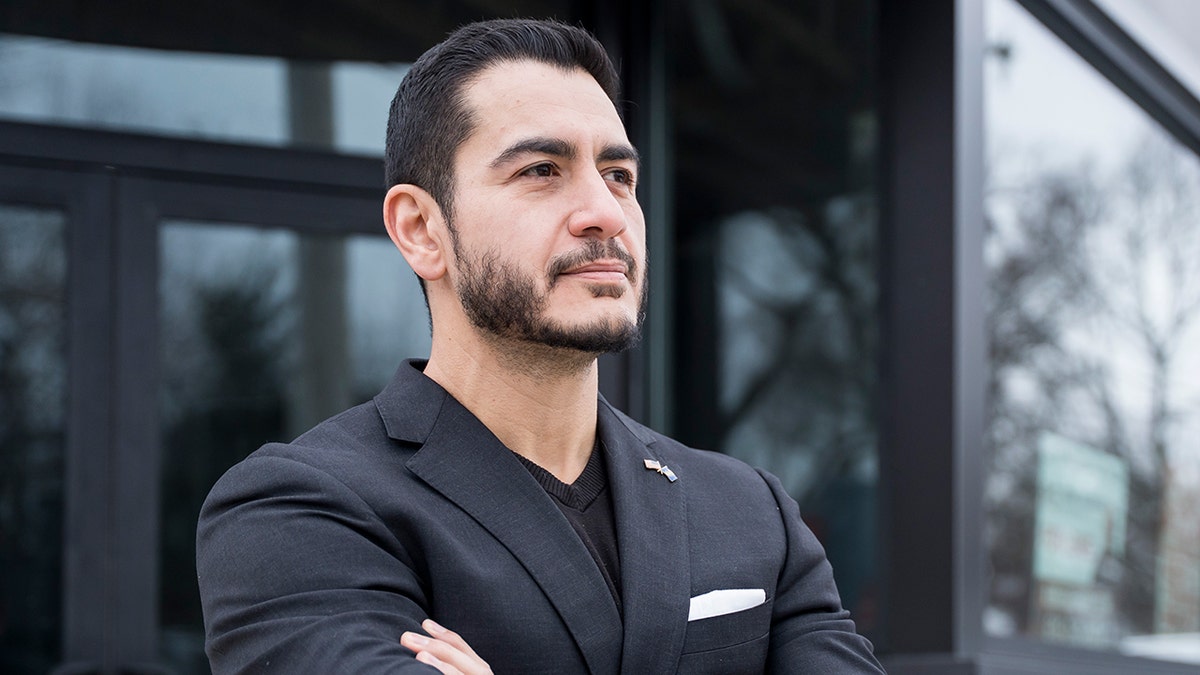
El-Sayed, running for the U.S. Senate seat against Republican Mike Rogers, faces scrutiny over comments about Vance’s family and Sharia law. At an Ohio rally, El-Sayed suggested Vance’s grandfather might not recognize the Democratic Party that El-Sayed represents. This has been interpreted by critics as racist, implying Papaw would not accept Usha due to her Indian heritage.
Critics, including Texas Rep. Brandon Gill, questioned El-Sayed’s assumptions about White midwestern grandparents. Meghan McCain called El-Sayed’s comments vile, asserting Usha Vance’s popularity among American women. Ryan Girdusky cautioned rural White Americans to remember El-Sayed’s views, while journalist Emily Schrader criticized El-Sayed directly.
With the general election approaching, the rhetoric in Michigan’s Senate race intensifies. El-Sayed, who won the Democratic primary, will confront Republican Mike Rogers in the election.
Fox News Digital contacted both El-Sayed and the Vance family for comments. JD Vance’s “Hillbilly Elegy,” detailing his upbringing in Ohio and his family’s Appalachian history, remains central to discussions. Vance’s grandparents, affectionately called “Mamaw” and “Papaw,” were integral to his memoir and childhood.
Leave a Reply