The college athletics community is facing significant changes this week due to new guidelines from the SEC and Big Ten. These conferences have implemented rules affecting the eligibility of athletes who plan to join teams, particularly those with past professional sports experience. Judges recently issued injunctions and temporary restraining orders that complicated these situations.
On Tuesday, the SEC and Big Ten voted to prevent athletes with professional sports experience from competing in college sports. The ACC and Big 12 will soon adopt similar measures. These decisions follow recent legal actions involving states that allowed athletes to play this season.
The NCAA’s updated eligibility guidelines allow athletes five years to participate in five college seasons. However, legal challenges arose when some athletes sought relief from these rules. The NCAA faces continuous lawsuits from athletes, particularly from the 2022 class, as it struggles with these eligibility issues.
The SEC’s actions put the NCAA in contempt of multiple court orders.– Ryan Downton, Attorney
The new guidelines from these conferences make athletes ineligible if they have signed with a professional team, declared for drafts like the NFL, or attended professional training camps. This is all part of the attempt to align college sports with the amateur status traditionally associated with NCAA athletics.
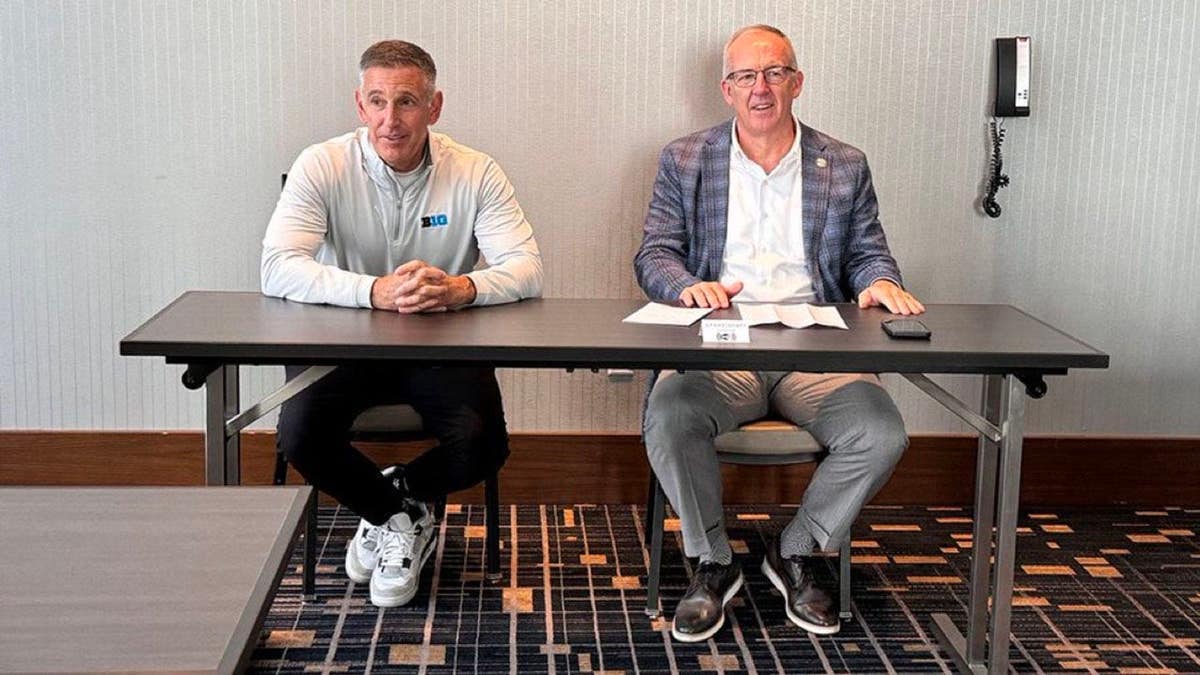
Reports from Trey Wallace of OutKick-Fox News reveal that SEC commissioner Greg Sankey is empowered to enforce these rules, including penalizing schools with monetary fines and coach suspensions for violations. Big Ten’s commissioner Tony Petitti is expected to take similar steps.
The imposition of these rules complicates preparations for schools expecting to incorporate these athletes into their teams for upcoming seasons. Attorney Ryan Downton, representing some players, is devising a legal strategy to counteract the new guidelines, arguing that these conference-level rules conflict with court orders and exhibit cartel-like behavior.
Sources indicate the SEC’s unanimous vote on the guidelines, though legal challenges loom. Louisiana’s 19th District Court had ruled in favor of additional eligibility for former Ole Miss players Dae’Quan Wright and Zxavian Harris, who now join LSU.
Despite SEC’s new rules, LSU coach Lane Kiffin and others continue recruiting players with NFL experience, citing the need to compete with other schools acting similarly. This includes players like Texas’ Cole Hutson, who also sought additional eligibility through a court ruling.
Attorney Darren Heitner advises compliance with Louisiana’s court orders, ensuring transfers like Wright can play for LSU. The dynamic between adhering to conference rules and legal rulings presents complex challenges for athletic programs.
As these events unfold, schools must decide whether to risk violating conference guidelines or comply with court-sanctioned player eligibility. The developments in this ongoing situation will be closely monitored.
Leave a Reply