Renewed Criticism for Hakeem Jeffries and Democratic Leadership
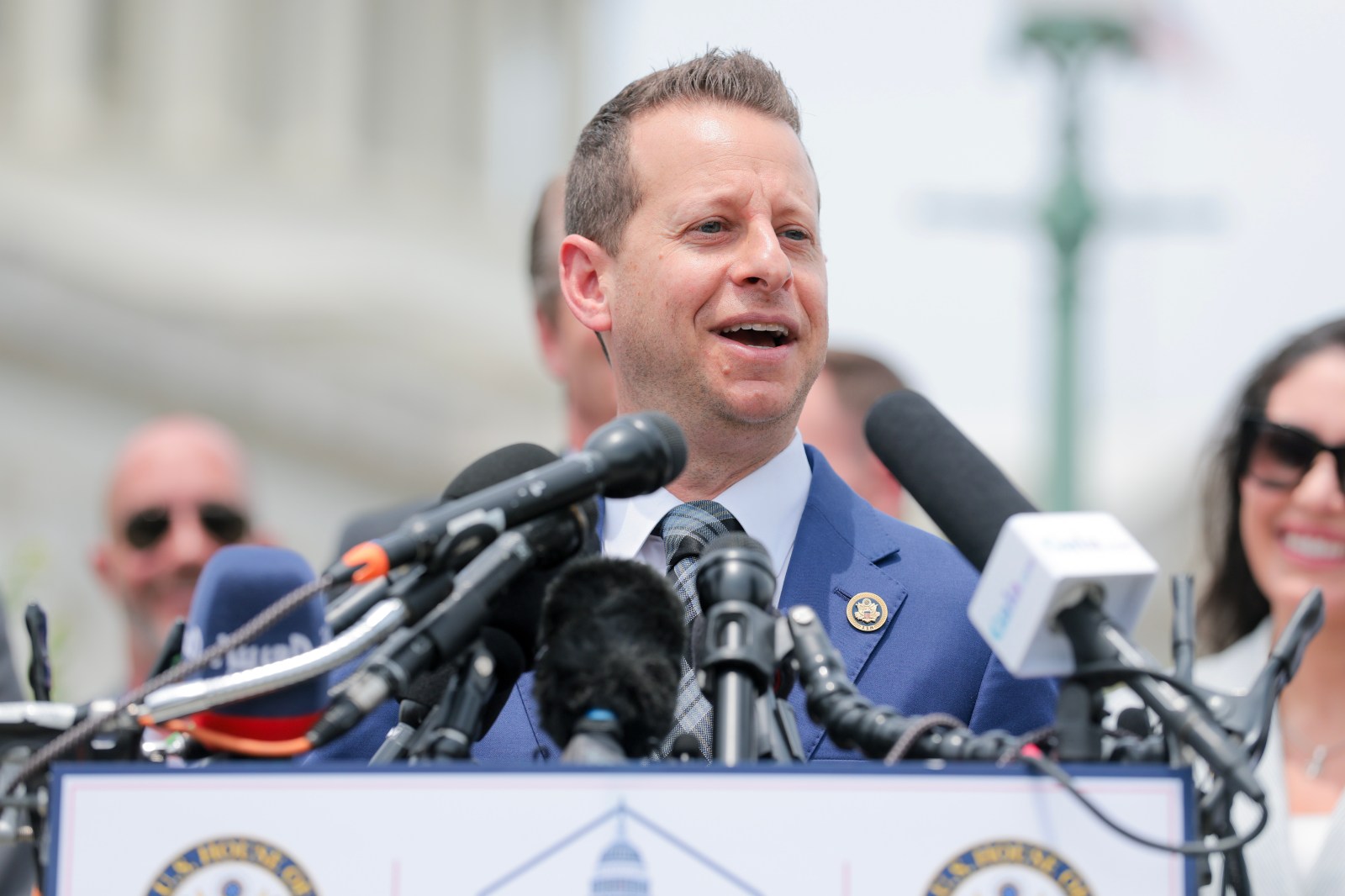
House Minority Leader Hakeem Jeffries has come under scrutiny from progressive corners following a significant foreign policy appointment. Florida Representative Jared Moskowitz, known as a staunch pro-Israel Democrat, has been named the ranking member of the House Foreign Affairs Committee’s Subcommittee on the Middle East and North Africa. This decision was announced by New York Representative Gregory Meeks, the committee’s top Democrat. While Meeks holds the ranking member position on the Committee, Jeffries has received the bulk of criticism. Progressives perceive Moskowitz’s appointment as evidence of Democratic leadership’s reluctance to align with voter sentiment on Israel, especially given the increasing criticism of Israel’s actions in Gaza from Democratic constituents.
Moskowitz expressed his gratitude and commitment to reinforcing ties between the U.S., Israel, and Gulf nations, labeling the period as marked by significant changes in the region. Yet, the decision has sparked disapproval from progressive media personalities and former officials who view the appointment as misaligned with Democratic voter attitudes.
Reactions to Moskowitz’s Appointment
The appointment of Moskowitz has drawn backlash, notably from prominent Democrats. Ben Rhodes, formerly a deputy national security adviser under Obama, criticized the decision, stating on X it sends a stark message from Democratic leadership. Cenk Uygur, host of The Young Turks, accused donor influences as a factor in the decision, suggesting that lawmakers’ views on Israel align more with donors than voters. Journalist Prem Thakker highlighted polling data showing Democratic voters favor measures against Israel, such as sanctions and halting weapons transfers.
Podcast host Kyle Kulinski also criticized Jeffries, branding him as siding with pro-Israel and pro-war agendas. Notably, journalist Wally Rashid speculated about possible connections between Jeffries’ past meetings with Jared Kushner and Moskowitz’s promotion, though he provided no evidence for this claim.
Mixed Approval Ratings for Hakeem Jeffries
A series of polls reveal mixed approval for Jeffries. According to a Civiqs poll, only 26 percent of respondents saw Jeffries favorably, while 54 percent viewed him unfavorably, with a remaining 20 percent uncertain. CNN’s July SSRS poll also marked unfavorable opinions toward Jeffries, registering a notable 13-point gap between favorable and unfavorable views.
Likewise, a YouGov survey ranks Jeffries 22nd in popularity among Democrats, indicating lower popularity relative to leading party figures. Broader evaluations reveal Democratic Party challenges; a Fox News poll noted unfavorable views from 56 percent of respondents, surpassing positive perceptions for the first time in a decade.
Changing Democratic Views on Israel
Polling indicates shifting Democratic voter sentiment regarding Israel. An IMEU Policy Project survey suggests significant opposition to Israel’s actions, with states involved in early presidential nominations showing strong anti-Israel sentiments. In Michigan, 80 percent of respondents considered Israel’s actions in Gaza as genocidal, particularly among younger voters under 45. In South Carolina, support for arms sales to Israel was minimal.
IMEU spokesperson Hamid Bendaas indicated a significant political shift among Democratic voters regarding Israel, with policies such as sanctions gaining mainstream support. A Gallup poll further highlighted this trend, showing higher empathy for Palestinians among Democrats compared to Israelis, marking a historic shift.
Growing Opposition to Pro-Israel Leadership
Despite Democratic voter sentiment moving away from Israel, Jeffries and Senate Minority Leader Chuck Schumer maintain strong pro-Israel positions. These stances conflict with evolving voter preferences. More than 100 House Democrats recently voted against weapons transfers to Israel, a movement neither Jeffries nor Schumer supported.
This division is reflected in Democratic primary elections, with Abdul El-Sayed defeating pro-Israel incumbent Haley Stevens for a Senate nomination, signaling grassroots opposition against pro-Israel policies. Bendaas argues that bridging gaps between voter sentiment and party policies necessitates new leadership willing to reconsider longstanding positions on Israel.
For more information, contact Newsweek editors Jason Lemon and Dave Siminoff.
Leave a Reply