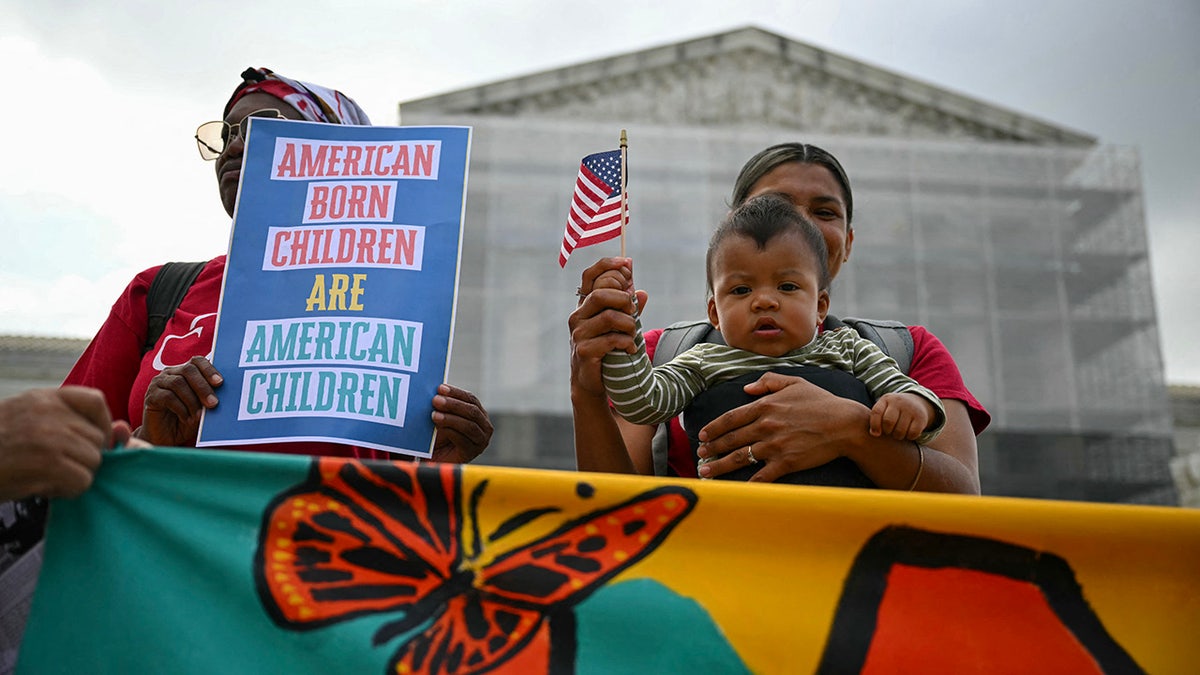
Conservative legal experts believe President Donald Trump’s recent moves to restrict birthright citizenship and curb birth tourism could stand on firmer legal ground compared to his initial attempt. After a Supreme Court ruling in June clarified that children born in the U.S. to parents who are unlawfully or temporarily present qualify as citizens under the 14th Amendment, Trump issued two executive orders with a more focused strategy against citizenship and birth tourism.
Narrowing Birthright Citizenship Rules
Signed on August 6, one order instructs federal agencies to withhold citizenship documents from certain children born when neither parent holds U.S. citizenship. This includes children whose parents are associated with designated foreign terrorist groups, serve foreign governments, or engage in activities or fraud to secure birthright citizenship. Experts from organizations such as the Manhattan Institute and America First Legal suggest this narrower approach aligns with historical exceptions to birthright citizenship.
“The Supreme Court has recognized exceptions to the 14th Amendment’s birthright citizenship clause for children of invading armies or ambassadors,” said Chad Mizelle, America First Policy Institute senior fellow.
The 1898 Supreme Court decision United States v. Wong Kim Ark acknowledged exceptions for children of diplomats and alien enemies during hostile occupation. Trump’s order claims foreign terrorist group members fit within this exception.
Legal Challenges and Support
Ilya Shapiro of the Manhattan Institute contends that the executive order targets classic exceptions by addressing foreign government employees and terrorists as possible invaders. Conversely, David Bier from the Cato Institute argues this executive power assertion may lack legislative support, potentially creating legal vulnerabilities.
Amanda Frost, a law professor, notes that the order doesn’t apply to terrorists merely residing in the U.S. Minor procedural amendments in defining diplomats could lead to challenges in prosecuting criminal activities, a sentiment echoed by Bier.
Standing and Legal Resistance
Experts like Frost and Bier anticipate that the executive order will be deemed unconstitutional. Legal standing remains a consideration for possible challengers, while Gene Hamilton of America First Legal suggests potential entities might challenge the order if vulnerable to its definitions.
The order faces existing challenges yet remains effective, awaiting judicial reviews in Maryland and New Hampshire.
Targeting Birth Tourism
The second executive order issued on the same day aims at birth tourism. This involves denying visas or pursuing deportation for individuals seeking U.S. entry to give birth and secure citizenship for the newborn. Hamilton asserts the legal firmness of this order, citing Section 215(a) of the Immigration and Nationality Act as the basis for authority.
Critics argue that existing measures are sufficient for tackling birth tourism, noting past State Department rules from 2020 targeting fraud in visa applications. Debu Gandhi from the Center for American Progress emphasizes the administration’s circumvention of constitutional clarity concerning citizenship.
Potential Next Steps
Failing this approach, proponents of limiting birthright citizenship might seek legislative or constitutional changes requiring broader state approval. Shapiro highlighted that a more targeted initial strategy might have avoided the previous Supreme Court rejection.
Leave a Reply