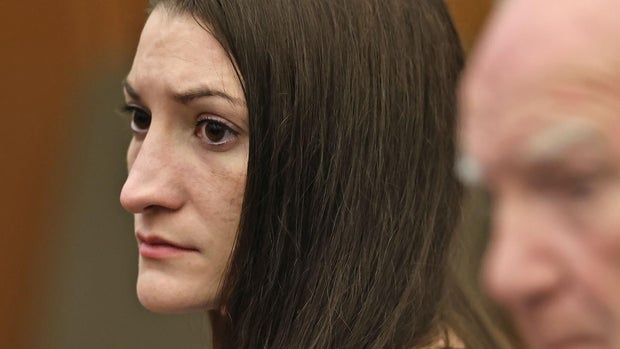
The murder trial of Lindsay Clancy in Massachusetts might end in a mistrial as the jury faces a deadlock. For six days, jurors have deliberated, with Plymouth Superior Court Judge William Sullivan giving them a ‘dynamite charge’ to encourage a verdict. Despite their efforts, they’ve deliberated over 29 hours since receiving the case on August 27.
Clancy, who has pleaded not guilty to first-degree murder, allegedly strangled her three children—Cora, Dawson, and Callan—to death at their Duxbury home on January 24, 2023.
‘Unlikely we’re going to get a verdict,’ remarked CBS News legal contributor Caroline Polisi. She predicts the jury might inform the judge of their deadlock, leading to a forced mistrial since further pushing could result in a coercive verdict, which could be appealed.
If a mistrial occurs, prosecutors will need to carefully consider their next steps. Clancy’s attorney, Kevin Reddington, stated he would be ready for a second trial swiftly.
Polisi mentioned that the opinions of jurors in case of a mistrial are vital for framing the case differently, potentially leading to a change in prosecution strategy.
‘Nobody can agree,’ said Polisi, noting the national divide in public opinion mirrors the jury’s deadlock.
The jury has various options, including not guilty by reason of insanity, full acquittal, first-degree murder, second-degree murder, or manslaughter.
Reddington argues Clancy was not criminally responsible due to postpartum psychosis and overmedication. Conversely, prosecutors claim she premeditated the killings, understanding the difference between right and wrong.
Should Clancy be convicted of first or second-degree murder, or manslaughter, prison awaits. A verdict of not guilty due to insanity means a continued stay at Tewksbury State Hospital.
If you or someone you know faces emotional distress or a suicidal crisis, assistance is available via the 988 Suicide & Crisis Lifeline by calling or texting 988. More information can be accessed at the National Alliance on Mental Illness HelpLine at 1-800-950-NAMI (6264) or by emailing [email protected].
Leave a Reply