Supersized El Niño Warning
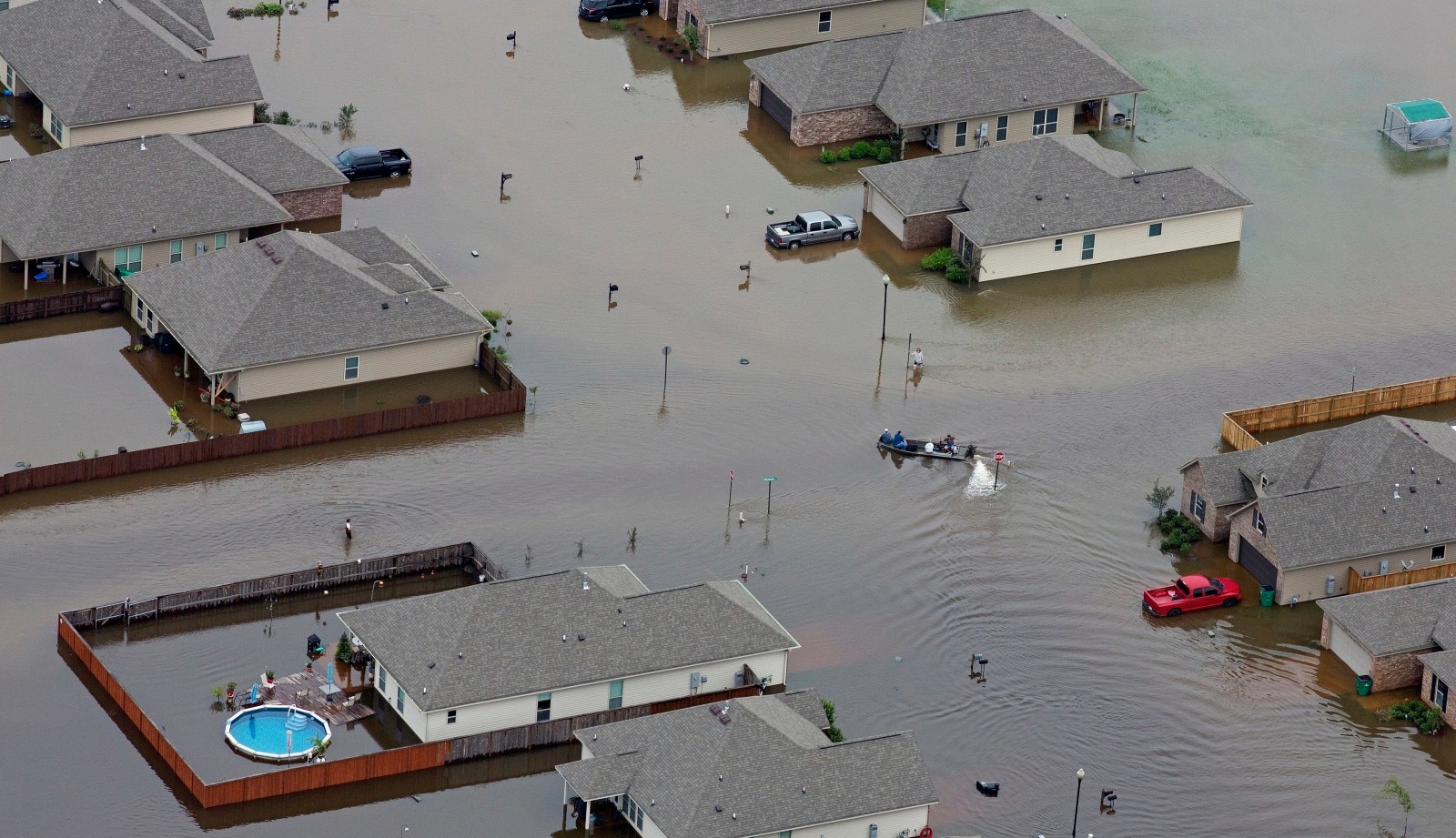
Meteorologists have issued warnings about a ‘supersized’ El Niño potentially causing heavy rains and flooding in the U.S. in the coming months. Coastal areas are expected to face heightened risks, fueled by exceptionally warm Pacific Ocean temperatures. The World Meteorological Organization (WMO) predicts this recurring climate phenomenon will be ‘very strong’ during the fall and winter seasons.
“El Niño is being supersized before our eyes. The science leaves no room for doubt: the planet is in uncharted waters, and those waters are heating up,” remarked United Nations Secretary-General António Guterres.
Communities across the U.S. may experience the impact of the largest El Niño in at least 1,000 years. Climate scientist Gavin Schmidt warned this could lead to 2027 becoming even hotter than current records.
Weather Predictions and Regional Impacts
While the precise outcomes remain uncertain, Scott Handel from the National Oceanic and Atmospheric Administration’s (NOAA) Climate Prediction Center provided insights into potential regional impacts. California and the West Coast may see increased chances of heavy precipitation and flooding. Previous El Niño events have resulted in record rainfall, such as in San Diego during late January 2023 and Los Angeles and San Francisco in February 1998.
Above-average temperatures are likely for the Upper Midwest and Northern Tier of the U.S. The Southeast could experience heavy rain, flooding, and severe weather. In the Northern Rockies and Cascades, a reduced snowpack is anticipated.
Risks for U.S. Homeowners
Heavy rain and flooding pose significant threats to homeowners on the West Coast and Southeast. Handel explained that heavy rains might result in mudslides, while increased storminess could lead to high winds along the West Coast. Elevated severe weather risks may affect the Southeast. Wind and roof damage from Pacific storms are common property insurance claims during El Niño, according to Mark Friedlander from the Insurance Information Institute (Triple-I).
Other common issues include burst pipes from cold snaps in the South and flooding from heavy rainfall in California and the Gulf Coast.
Preparing for El Niño’s Impact
Homeowners should prepare for flood damage with separate insurance policies through the National Flood Insurance Program (NFIP) or private insurers. Despite rising premiums, less than 4 percent of homeowners had flood insurance as of 2025. Denali Pinto from the Scripps Institution of Oceanography urged people to check their flood risk through FEMA’s Map Service Center.
Pinto advised: “Earth movement and landslide damage are typically covered by a difference in conditions policy but may be restricted in high-risk areas like California. Sewer and drain backup can be added as an endorsement to standard home policies.”
It’s recommended to contact insurance agents promptly, given the usual 30-day NFIP waiting period. Friedlander emphasized purchasing coverage immediately due to potential federal shutdowns affecting new NFIP policies.
Practical Tips for Homeowners
- Maintain sandbags for flood-prone properties.
- Clear gutters and drainage systems.
- Stockpile food, water, and essential supplies.
- Pay attention to forecasts and avoid driving into standing water.
- Consider purchasing a NOAA weather radio for updates during power outages.
Preventative measures like portable flood barriers and defensible space can be cost-effective. More expensive options like elevating foundations and installing fire suppression systems require careful consideration.
Regional Alertness
Crystal Egger from Monarch Weather Consulting notes variability with strong El Niños. The southern U.S., including California, Texas, Gulf Coast, and Southeast, tends to experience wetter winters. California’s Sierra Nevada and other elevations may see significant snowpack vital for water supplies.
The southern Plains, Gulf Coast, and Florida may face increased risks of severe storms and heavy rainfall. Impacts depend on individual weather patterns throughout the season.
Leave a Reply