After securing three consecutive national championships, the Big Ten has been seen as a leading conference in college football. Over the past three years, three different teams, including a perfect 16-0 season by the Indiana Hoosiers, have dominated. Coaches, such as Texas’ Steve Sarkisian, considered such a feat nearly unattainable in today’s game. As the 2026 season began, expectations were high for the Big Ten, with Ohio State and Oregon leading in national rankings.
However, following the results of week one, the SEC has made a strong statement about its place in the college football hierarchy. The Southeastern Conference had an exceptional start, winning all 16 of its opening week games. This performance has led some fans to declare the SEC as the dominant force once more. Yet how much can we deduce about the SEC’s standing, or the individual teams’ positions, after just one week?
The SEC’s 16-0 performance is noteworthy. Missouri kicked off the weekend with a decisive 56-14 win over Arkansas Pine-Bluff. Oklahoma had a commanding 51-0 victory against UTEP, a team ranked 127th out of 138 FBS teams. Alabama, South Carolina, Kentucky, Georgia, Tennessee, Texas, Texas A&M, and Mississippi State all won comfortably, as expected, against lesser opponents. Even Florida cruised to a 66-21 win despite some first-half challenges, and Vanderbilt progressed from a slim halftime lead to a 28-9 win over Austin Peay.
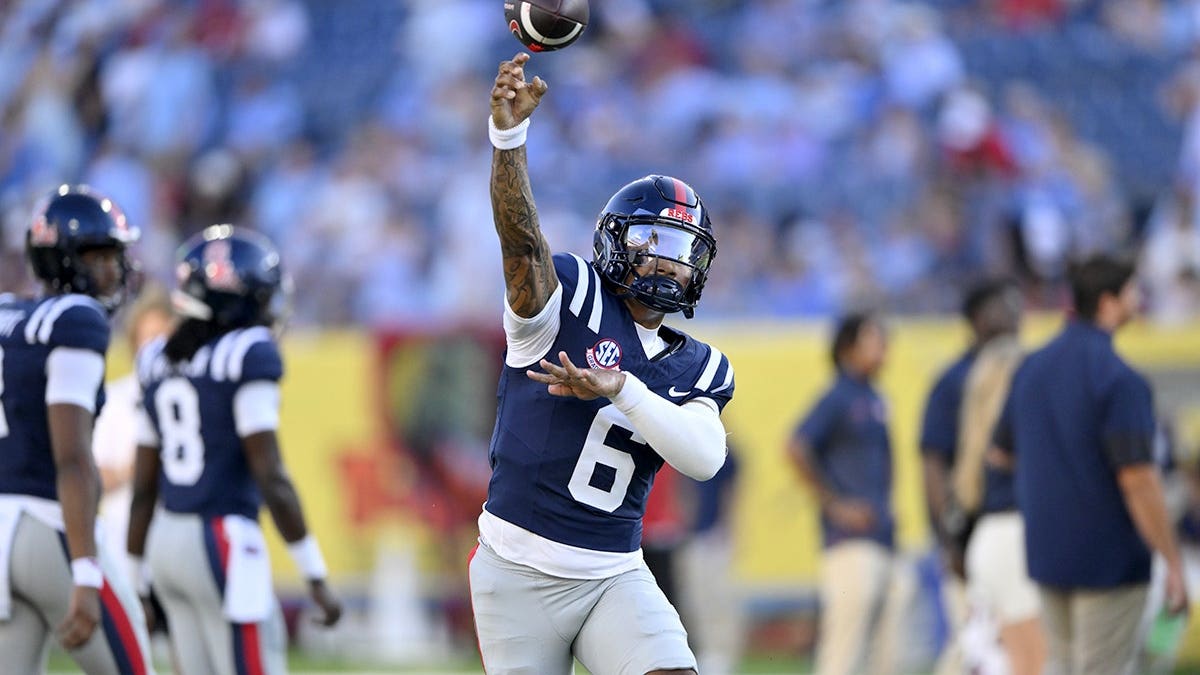
Among these, three games—LSU vs. Clemson, Ole Miss vs. Louisville, and Auburn vs. Baylor—offered more insight into the SEC’s current status. LSU showcased dominance in dismantling Clemson, cementing their position as a top contender alongside Texas, Georgia, and Alabama. Auburn, despite being the favorite, faced a tight competition against Baylor, indicating areas for improvement. Meanwhile, Ole Miss narrowly defeated Louisville with a last-minute field goal, in a game where they were expected to hold a clear advantage.
The SEC’s favored status in these matchups meant their victories, while important, were anticipated. In games against other Power 4 schools, the SEC teams had point spreads in their favor. Although they managed to preserve their 16-0 record, close games against favored opponents highlight that the conference’s season performance may rely on more profound contests ahead.
Conversely, the Big Ten’s week one performances were less convincing. Rutgers suffered a devastating defeat, while Oregon faced challenges against Boise State. Michigan’s close call with Western Michigan and Wisconsin’s inability to match Notre Dame’s second-half play also raised concerns.
Historically, the outcomes of week one can be misleading. For instance, USC’s 2024 season began with a victorious opener against LSU but concluded at 6-6. Indiana’s championship season started with a narrow win over Old Dominion but led to a series of significant wins, culminating in a national title.
While week one is valuable in assessing teams, it is not a definitive predictor of the entire season. As the competition progresses, more clarity will emerge regarding the SEC’s hierarchy and the potential of other conferences like the Big Ten.
Leave a Reply