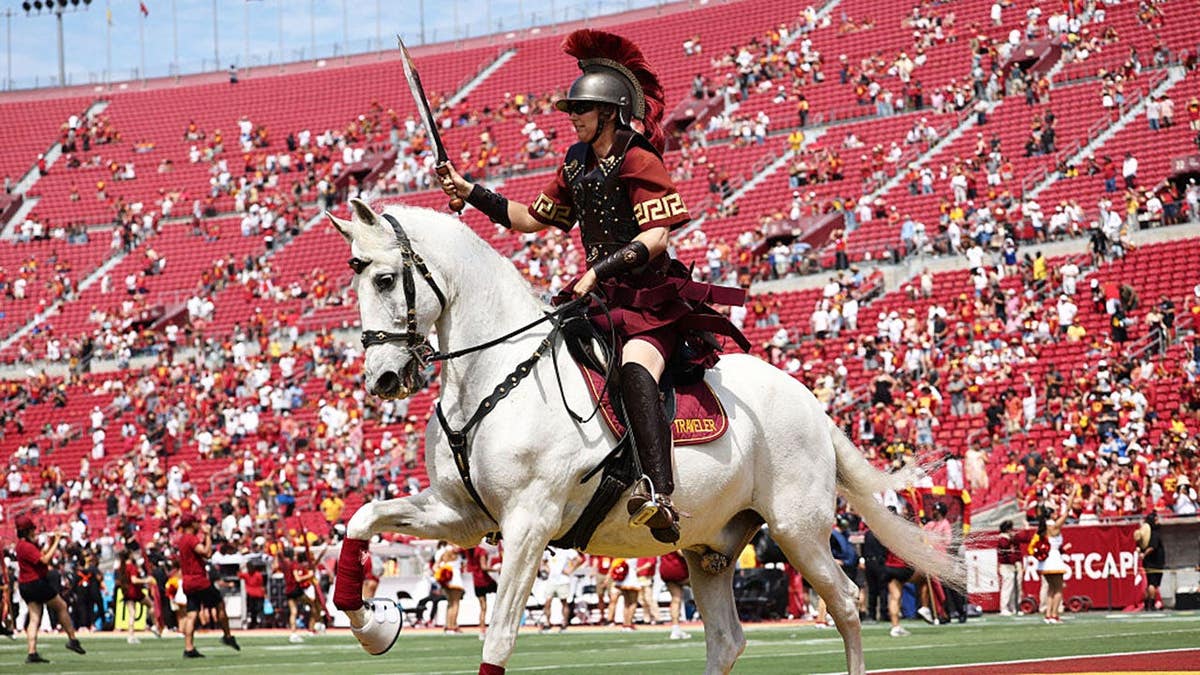
The first week and a half of the college football season presented a surprising storyline centered around weather conditions. In Week 0, the USC Trojans faced San Jose State at the Los Angeles Memorial Coliseum, but the attendance was sparse. This was due to an unusual spell of hot and humid weather, caused by remnants of a tropical storm off the West Coast. Scheduled for noon, the game offered no shade or relief, leading many fans to avoid enduring a heat index of approximately 105 degrees for a match decided early.
Throughout Week 1, teams such as South Carolina and the Texas Longhorns also hosted games during the afternoon under extreme heat conditions. While tickets were purchased, and fans initially attended, many left early or sought shelter under the concourse for shade in Texas. Some attendees faced medical issues like heat exhaustion or dehydration.
This situation has sparked debates regarding the wisdom of scheduling games in hotter climates during August and early September afternoons. Amid the discussions, some have blamed climate change for these extreme conditions. An example of this contention arose when Iliana Limon Romero of the Los Angeles Times commented on social media, suggesting scheduling adaptations to account for climate change.
Romero’s statement has been controversial, with critics asserting that typical summer heat in Austin, Texas, should not be attributed to climate change. Average temperatures during this time are generally high, and the recent heat wave, while a few degrees above normal, is typical for Texas in early September.
Critics contend that television networks prioritize broadcast timings over local weather realities. Consequently, games like the one in Austin should occur at night to prevent health risks from extreme heat. They argue the pursuit of symbolic support for teams is not worth risking dangerous health conditions.
Nonetheless, attributing normal weather patterns to climate change oversimplifies the situation. Weather fluctuations are different from climate change, and blaming the latter for typical seasonal heat disregards established averages. As debates continue, the importance of logical scheduling to ensure fan safety remains paramount.
Leave a Reply