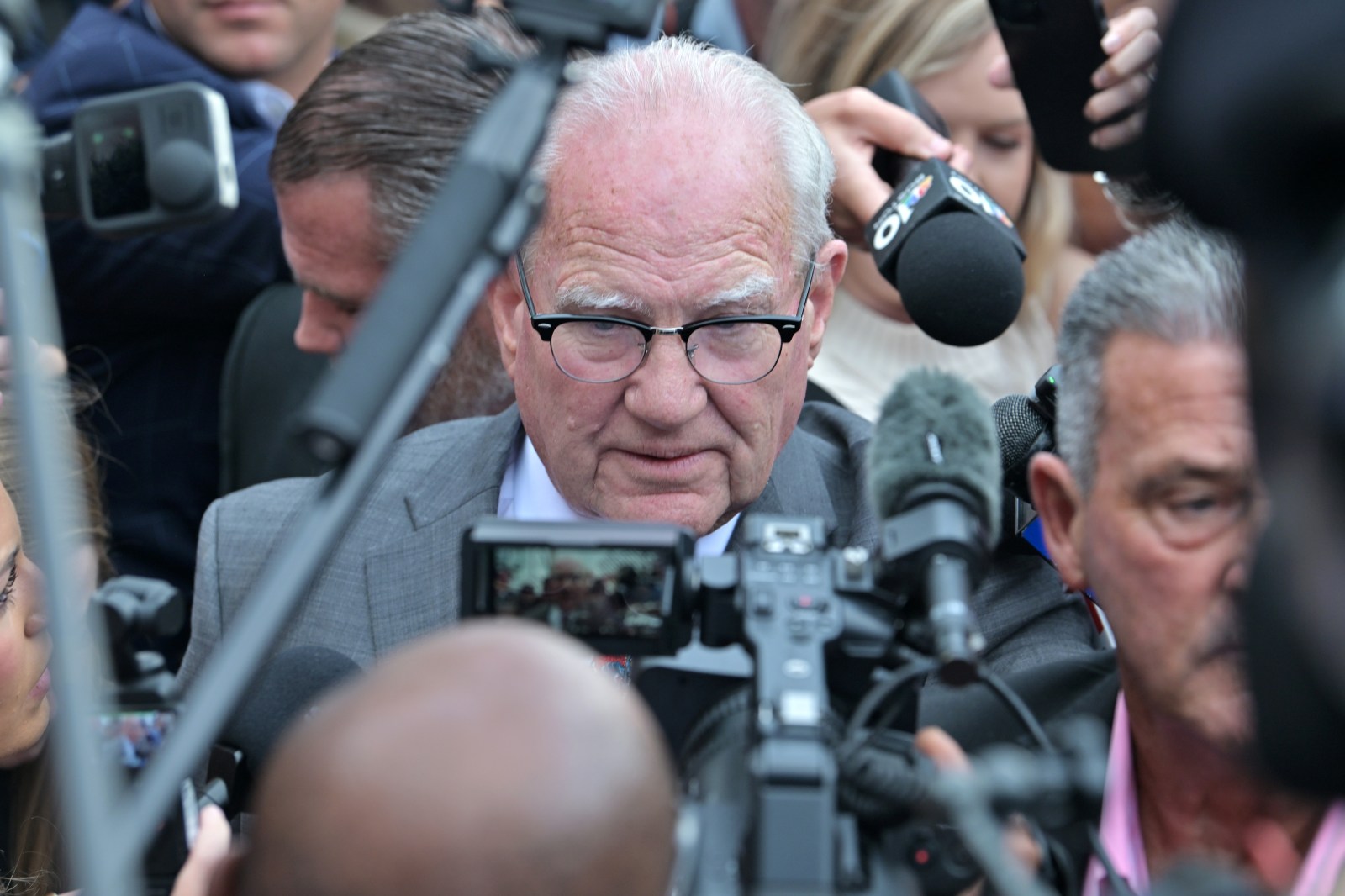
Lindsay Clancy’s attorney, Kevin Reddington, has requested a pardon from President Donald Trump after her murder trial ended in a mistrial. During an interview with ABC’s Good Morning America, Reddington appealed to Trump to consider Clancy’s situation, emphasizing her personal struggles and the context of the case.
Charges and Trial Details
Clancy faces charges in Massachusetts for the deaths of her three children: Cora, Dawson, and Callan. The murders occurred in January 2023 in their Duxbury home. National attention has focused on this case, partly due to the defense’s argument that Clancy suffered from postpartum psychosis during the killings.
Despite Reddington’s appeal, Trump lacks authority to pardon Clancy since she is facing state, not federal, charges. The power to pardon state offenses lies with the Massachusetts governor, subject to the state’s clemency process and approval from the Governor’s Council.
Impact of the Pardon Request
Even though Trump can’t directly pardon Clancy, Reddington’s public request might increase attention on the case. This could influence Massachusetts prosecutors to consider alternatives to a new trial after the jury’s inability to reach a unanimous verdict in the first trial. Reddington hopes for a resolution with Plymouth County District Attorney Timothy Cruz to avoid another trial.
Profile of Attorney Kevin Reddington
Kevin Reddington, a seasoned criminal defense lawyer from Massachusetts, has defended Clancy by focusing on postpartum psychosis. He argued Clancy was experiencing hallucinations and was not responsible for her actions. In contrast, prosecutors claimed Clancy premeditated the killings.
After the jury’s decision stalemate, Reddington expressed confidence about the defense’s success but criticized a lone juror who blocked a unanimous verdict. He later accepted the juror’s legal right to their position, despite initial complaints.
Possibility of Clemency
A pardon could theoretically occur, but through Massachusetts’ governor, Maura Healey, with the Governor’s Council’s consent. Clancy hasn’t been convicted as the trial ended without a verdict, giving Massachusetts prosecutors the decision to retry or pursue a different approach.
Challenges and Criticisms
Constitutional law attorney Jonathan Turley questioned Reddington’s approach in seeking a pardon from Trump, highlighting the president’s lack of authority over state criminal charges. Turley praised Reddington’s trial performance but criticized his summation and public comments about the holdout juror.
Turley speculated on a possible retrial outcome, citing public scrutiny and questioning the possibility of an impartial jury due to widespread attention on the case.
Process for Pardons Without Conviction
Federal pardons historically don’t require a conviction. For example, President Ford pardoned Nixon for uncertain federal offenses. Nixon was uncharged and unconvicted at the time.
Trump’s Perspective on the Case
After the mistrial, Trump commented on the tragedy during a White House discussion. He acknowledged Clancy’s actions as terrible and foresaw further legal proceedings involving potential institutionalization or incarceration.
Mistrial Reasons
The mistrial resulted from a jury deadlock after 38 hours of deliberation. The defense argued Clancy’s lack of criminal responsibility due to postpartum psychosis, countered by prosecutors who maintained Clancy understood her actions. Reddington sought to remove the dissenting juror, but the judge denied this, leaving future case proceedings uncertain.
Leave a Reply