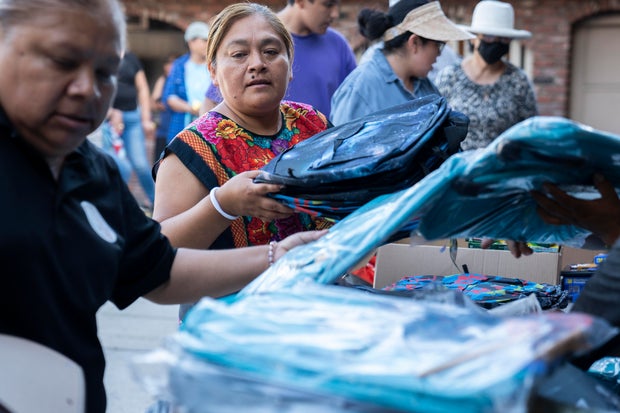
One December morning, Norma Gómez visited a neighbor’s apartment bringing essentials like food, diapers, and clothes. Inside, she found a 6-year-old girl and her baby brother, left alone after immigration raids had taken their parents away in Oxnard, California. The little girl asked, ‘Are you the person who’s going to bring my mom back?’ Gómez, a project manager for the Mixteco Indigena Community Organizing Project, struggled to respond. She witnessed firsthand the turmoil affecting immigrant families due to immigration policies.
Challenges Faced by Immigrant Families
Millions of immigrant families have been impacted since President Trump returned to office. An estimated 205,000 children have faced separation from at least one parent due to immigration authorities. The separation from parents disrupts children’s psychological health, destabilizing families and often leading to caregivers scrambling to meet housing, food, and medical needs. Some children are left to manage on their own.
School and social activities are often avoided due to fear of federal enforcement. Many children are American citizens with immigrant parents, around 4.6 million with a parent lacking legal status.
Government Policies and Public Response
The Trump administration has significantly increased immigration enforcement, impacting resources meant for American citizens. Many children of immigrants face significant emotional distress, anxiety about racial profiling, and obstacles in accessing healthcare and other essential services.
Recent policies also limit immigrant eligibility for health and food assistance programs. Public charge rules potentially affect over a million U.S. citizen children by discouraging use of safety net programs.
Effects on Children and Health Costs
The trauma from family separations correlates with enduring health issues like anxiety, depression, and learning challenges. A 2024 study noted $292 billion in healthcare spending on trauma-related conditions in 2021. Some children, such as Emmanuel from Oxnard, exhibit anxiety over fears of their parents’ deportation.
Healthcare professionals note increased mental health issues among children from immigrant families. Economic factors, job loss, and lack of insurance exacerbate these problems, leaving families without necessary support.
Resilience Amidst Hardships
Despite challenges, many children have shown resilience. Some take on protective roles, helping with errands like grocery shopping to keep parents at home. Community support has been crucial, with neighbors and groups offering assistance with food, therapy, and childcare plans.
Academic experts call for more humane immigration policies, suggesting models like the Family Case Management Program, which kept families together while addressing immigration laws effectively.
Future Implications
Case manager Mabel Alavez assists families who fear separation. Many worry about the safety of their children and the implications of interacting with public services. Raised in an immigrant family herself, she’s concerned about the long-term impact on these children. Their belonging and integration into society face significant challenges.
KFF Health News is committed to providing in-depth journalism on health issues, serving as a hub for health policy research and journalism.
Leave a Reply