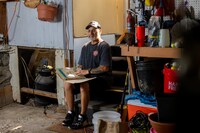
Jason Hurdle discovered a hidden crawl space in his garage while making room for Halloween decorations. Inside, he found a dusty cardboard box containing 80-year-old documents that appeared to be trash. However, the red block letters stating ‘SECRET’ on the files caught his attention.
The Discovery
Hurdle, a mechanic in Waterloo, New York, unearthed nearly 300 pages with firsthand accounts from American POWs during WWII. These documents detailed their experiences in German captivity, highlighting unsanitary conditions and lack of resources.
The National Archives, through its Archival Recovery Program, recovered these documents. This team specializes in retrieving lost or stolen federal records. Besides Hurdle’s find, they’ve also recovered records from the Apollo missions and other historical documents.
Importance of the Records
The files contain significant firsthand accounts from over 120 soldiers. Kimberly Guise, from the National World War II Museum, noted the value of these records, which include detailed accounts of soldiers’ experiences. Many of these stories might have been lost without Hurdle’s finding.
Rediscovering History
Hurdle’s discovery was unexpected. After realizing the documents’ importance, he contacted the National Archives, leading to their preservation. The documents are now categorized, declassified, and stored for public access and historical research.
The discovery of these records is crucial to preserving our history and ensuring public access to valuable information. – Grace McCaffrey, NARA
Life in WWII POW Camps
These documents revealed harsh conditions POWs endured. The files included a report from Col. Darr H. Alkire on violations by a German prison camp. Soldiers described overcrowding, a lack of food and medical care, and proximity to military targets.
These accounts were used in war crime investigations post-war. POWs described brutal treatment, lack of food, and poor sanitary conditions during their captivity.
Impact on Families
Many families learned new details about their relatives’ wartime experiences through Hurdle’s discovery. With the documents’ release, families like Henry Daly’s and Pete Dimas’s gained insight into their ancestors’ struggles and bravery.
The records not only preserve history but also provide families with a connection to the stories of their loved ones’ past hardships and resilience.
Leave a Reply