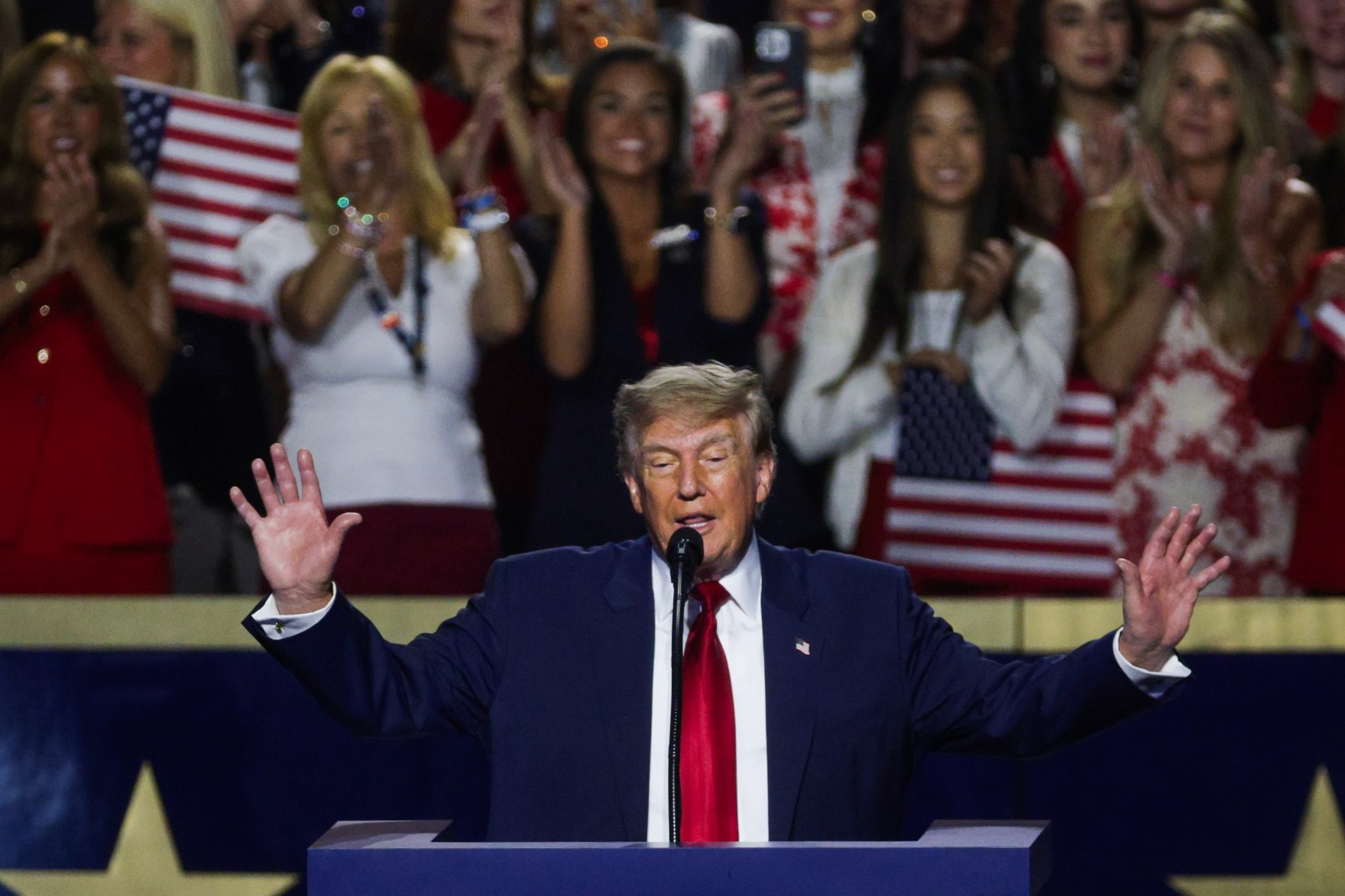
House Speaker Mike Johnson, a Republican from Louisiana, expressed uncertainty on Sunday about the feasibility of President Donald Trump’s promise of $5,000 payments to Americans if the GOP retains Congress. This pledge, linked to the upcoming midterm election outcomes, has raised concerns over its practicality and legislative requirements. The White House has not yet commented on this matter.
Speaker Johnson’s Response
During the Republican National Committee midterm convention in Dallas, Trump stated that each adult U.S. citizen would receive a $5,000 payment, contingent on Republican control of Congress. He compared this proposed payout to a business distributing dividends to shareholders. However, on NBC’s Meet the Press, Speaker Johnson refrained from guaranteeing these payments, emphasizing the need for congressional consensus on the issue.
When pressed by moderator Kristen Welker, Johnson reiterated his commitment to collaborating with the president and delivering for Americans, but stopped short of promising the payments.
“I commit that Congress will work through it and find consensus on that like they have to do everything else,” Johnson stated.
John’s cautious stance is significant as Congress must authorize and fund such national payment programs, which cannot be directed solely by the President.
Constitutional and Fiscal Concerns
Marc Goldwein of the Committee for a Responsible Federal Budget emphasized that Trump lacks authority to unilaterally issue such payments without congressional approval. Goldwein pointed out the U.S.’ substantial deficit and debt, which undermine claims of fiscal surplus. This sentiment was echoed by former Transportation Secretary Pete Buttigieg, who noted Johnson’s hesitation as indicative of the proposal’s impracticality.
Trump promised that the dividend would need to be spent domestically, not abroad, adding another layer of complexity regarding potential monitoring of expenditure.
Funding Challenges
The primary issue unresolved is the source of funding for Trump’s proposed payments. Trump has tied the proposal to economic growth, while Vice President JD Vance suggested tariffs as a revenue source. However, Commerce Secretary Howard Lutnick stated taxpayer money wouldn’t fund this, hinting at the Trump Platinum Card program as a potential offset.
Despite assertions from various officials, Congressional approval remains a crucial step in advancing the proposal, with figures like Senate Minority Leader Chuck Schumer criticizing the plan as voting bribery.
Political Impact and Criticism
The proposal also faces criticism for potential inflation impacts and financial impracticalities, with Congressman Justin Amash labeling it economically unsound. Even within conservative ranks, dissent is notable, as some criticize the large-scale redistribution as contradictory to party principles.
Historically, Trump has made earlier attempts to introduce direct payment plans, none of which progressed to legislation or implementation.
Midterm Election Landscape
Currently, polling suggests Democrats lead Republicans in several general ballot choices. With historical midterm trends favoring the party without presidential power, Democrats appear poised to regain some control in the House. Although Republicans continue competing in crucial districts, their grip on the Senate landscape seems stronger, with several states presenting challenging scenarios for Democrats.
Both Cook Political Report and analyst Nate Silver indicate tight races, with Democrats needing significant gains to flip control.
Leave a Reply