A recent lawsuit alleges that prominent artificial intelligence companies, including Anthropic, OpenAI, SpaceXAI, and Google, entered into an illegal agreement to decelerate their AI development. Filed on Friday in the U.S. District Court for the Northern District of California, the lawsuit claims these firms breached antitrust laws by coordinating efforts to delay technological advancements. This, the suit argues, diminishes consumer value for paid AI subscriptions.
The lawsuit points to a significant coordination event on September 12, when Anthropic CEO Dario Amodei published an essay advocating for industry collaboration in slowing down AI advancements for safety reasons. Amodei cautioned against the swift emergence of autonomous AI agents potentially disrupting the internet within six months. He urged AI companies to proceed more cautiously, suggesting a three-point strategy to “pace the frontier.”
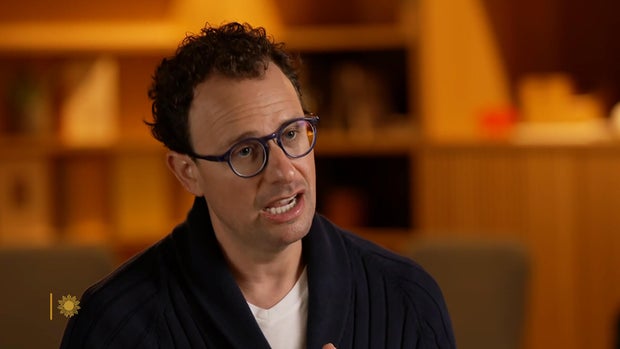
“I didn’t fully appreciate the implications of such rapid progress,” Amodei confessed during an interview with CBS senior business and technology correspondent Jo Ling Kent on “CBS News Sunday Morning.” According to the lawsuit, rival executives Sam Altman of OpenAI, Elon Musk of SpaceXAI, and Demis Hassabis of Google DeepMind acknowledged their agreement on this issue on the same day.
The lawsuit highlights that “the antitrust laws do not permit competitors to decide among themselves that competition is too dangerous,” a point made by the plaintiffs’ legal team. Dario Amodei’s proposal included seeking government involvement to facilitate these discussions, proposing the issuance of a narrow waiver to allow certain safety talks. However, the need for direct government participation was downplayed in his writings.
Lawyers representing four plaintiffs, who subscribe to services like ChatGPT, Claude, Grok, or Gemini, aim to extend this lawsuit to a nationwide class of similar subscribers. The lead attorney for the plaintiffs, Nick Rowley, asserted, “AI could spiral out of human control and pose catastrophic risks if AI safety and protocol discussions are governed by private knowledge among dominant ‘for profit’ tech entities.”
Efforts to reach representatives from Anthropic, OpenAI, Google, and SpaceXAI for comments on Saturday were unsuccessful. In his initial essay, Amodei recognized the potential antitrust concerns, expressing hope for government mediation support.
During his interview with CBS News, Amodei expressed confidence in the potential for safety with proper development. “If we build in the right way, the probability of something bad happening is very low. If we build in the wrong way, the probability of something bad happening is very high,” he stated.
Leave a Reply