Beef Demand and Prices
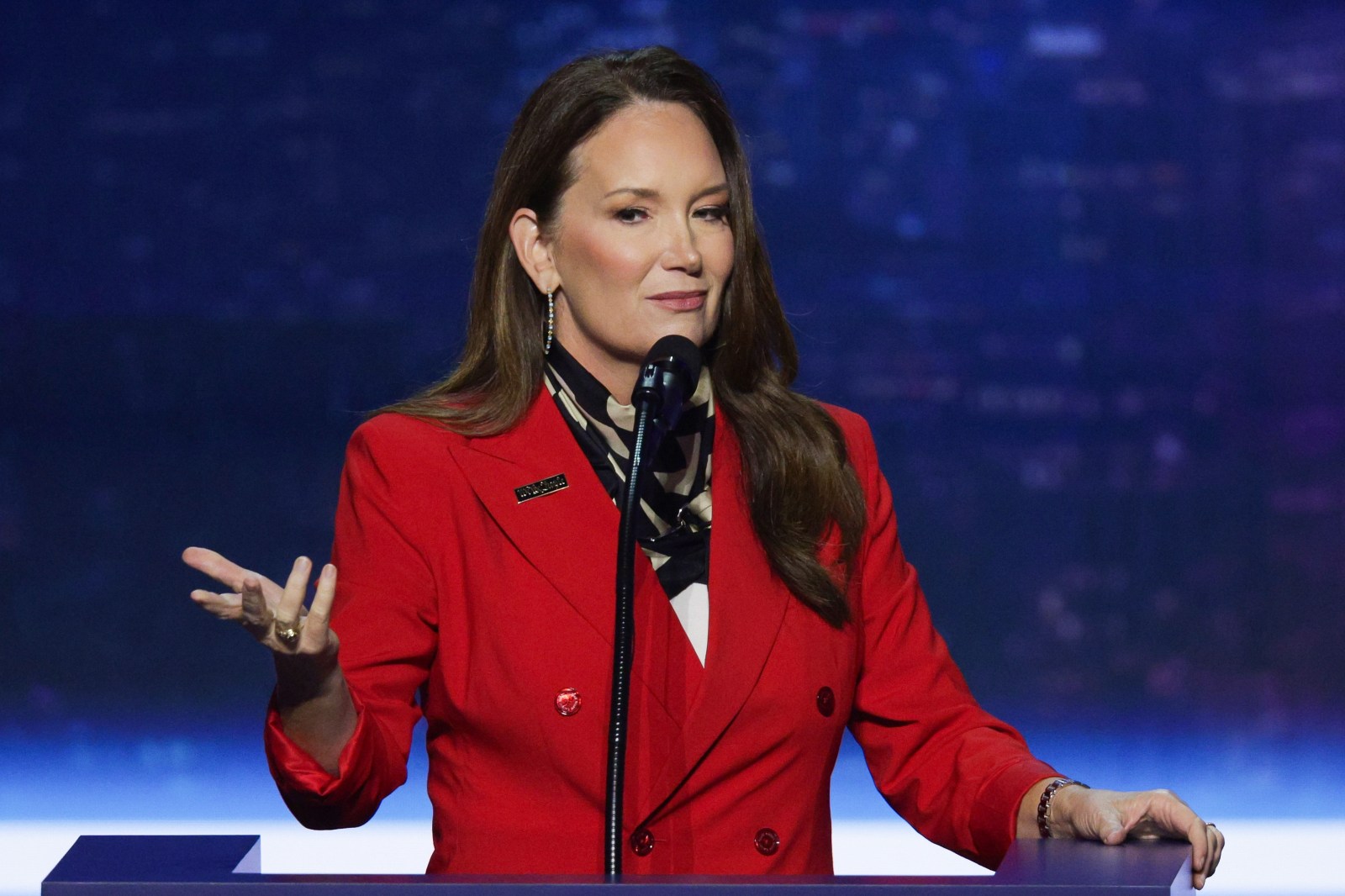
Agriculture Secretary Brooke Rollins stated that despite rising prices, the demand for beef in the U.S. remains robust. Many Americans are willing to pay higher prices to provide meat for their families. This situation poses a significant challenge for the Trump administration as the 2026 midterm elections approach. High consumer prices, including beef, have been a central issue since President Donald Trump’s 2024 campaign.
Data from the U.S. Bureau of Labor Statistics indicates that the cost of uncooked ground beef reached $7.16 per pound in August 2026. Rollins, in an interview on The Benny Show, attributed high beef prices to several factors. She criticized Democrats for policies that she claims harmed cattle herds and grazing lands. The response to the New World screwworm was another reason cited.
Dietary Influence and Consumer Behavior
Rollins linked high demand to a movement advocating the consumption of more beef. She mentioned the involvement of Bobby Kennedy in reorienting dietary guidelines, placing beef at a higher dietary priority. Consequently, Americans consumed more beef despite rising prices, with many expressing satisfaction over paying $6.50 per pound for ground beef.
Newsweek has contacted USDA for further comments on this issue.
Reasons for Rising Beef Prices
Beef prices have steadily increased. According to Bureau of Labor Statistics data, prices rose from $7.116 in July 2026 to $7.158 in August 2026. This marks a new high compared to $6.631 the previous year.
A Coalition for a Prosperous America report highlights several reasons for rising prices. The U.S. cattle population has dropped to 86.2 million, the lowest in 75 years. Additionally, there are significantly fewer cattle ranchers now than in 1997. Drought conditions have exacerbated these challenges, with a large portion of the beef cow herd raised in drought-affected areas.
Diesel price increases add to these challenges, impacting farmers and ranchers. The national average for diesel was $6.5107 as of recent data from AAA.
Rollins emphasized that policies from the Joe Biden administration addressing climate change have contributed to these rising costs. She criticized these policies for discouraging herd expansion.
Trump Administration’s Efforts
The Trump administration has implemented measures to counteract rising beef prices. In August, President Trump signed two executive orders to support ranchers. One order directed the Secretary of the Interior to review the status of gray wolves and Mexican wolves under the Endangered Species Act. Another order instructed updates on compensation standards for losses due to predators.
The executive orders also included a review of beef product labeling regarding their origin. Additionally, an order directed the USDA to investigate potential violations of the Packers and Stockyards Act. The Cooperative Interstate Shipment and Talmadge-Aiken programs were also expanded to allow state-inspected meat to be transported across state lines.
Anna Kelly, a spokesperson for the White House, stated that President Trump has significantly benefited American agriculture. His administration has focused on new trade deals, expanded foreign market access, and other agricultural benefits.
Import Policy Controversy
One of Trump’s policies aims to lower beef prices by waiving tariffs on some imported beef, allowing 300,000 metric tons of ground beef to be imported tariff-free over 90 days. Although intended to reduce prices, this move has caused concern among cattle ranchers and some Republicans.
The National Cattlemen’s Beef Association (NCBA) expressed disappointment, stating that government-subsidized beef imports could harm the domestic cattle industry and farmers. Colin Woodall, NCBA CEO, voiced concerns about the impact on local farmers and ranchers.
Senator Tim Sheehy of Montana, among others, criticized the plan, arguing that it could impede efforts to rebuild domestic cattle herds and harm ranching families.
Leave a Reply